







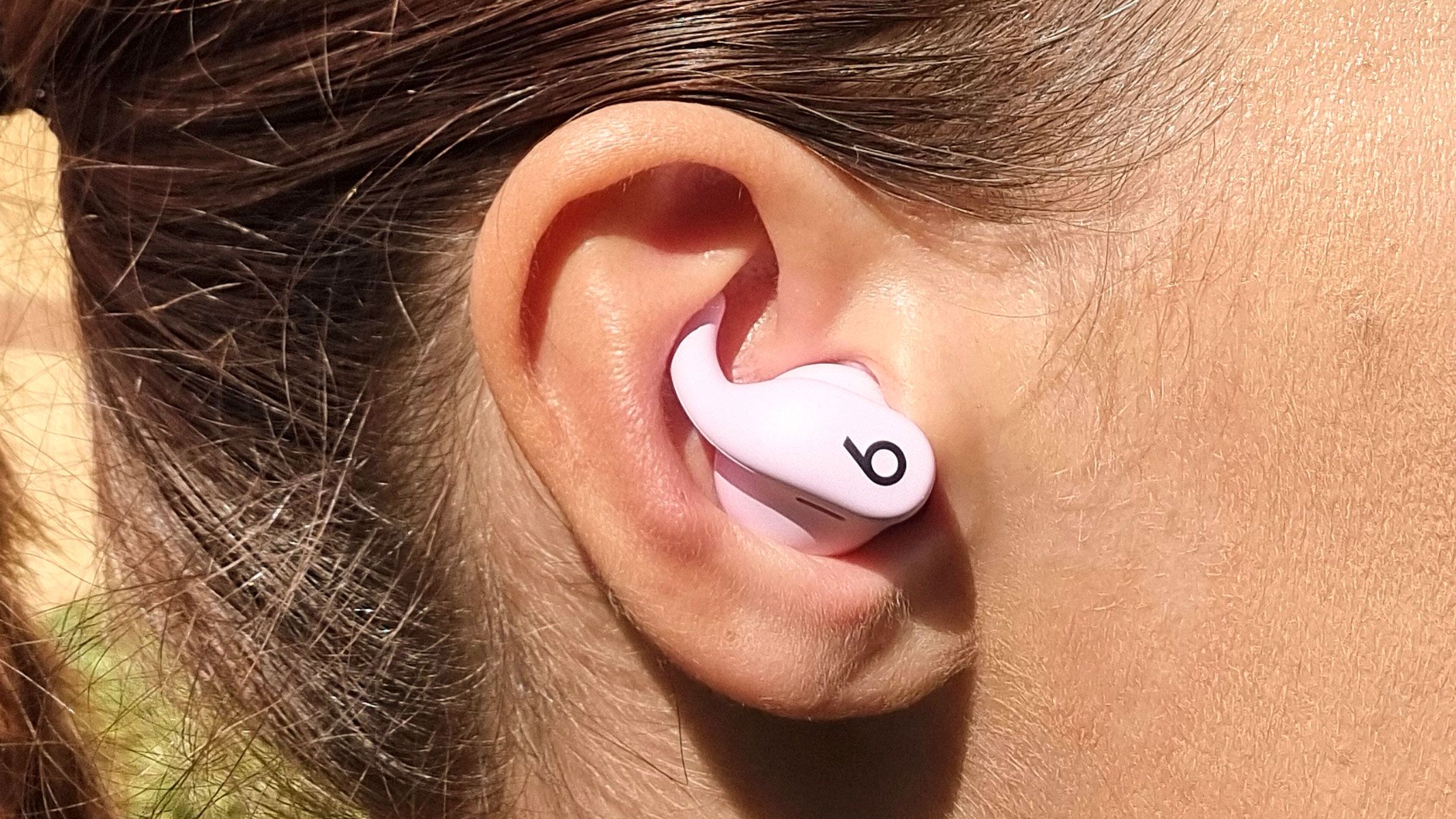
We love working out to the music blasting through our earbuds, and we are far from alone. Walk into any gym, and you can bet half of the people there will be lost in their own little audio world. Look around outside, and you will see that most runners and cyclists rack up the miles while listening to their favorite tunes, too. Sports earbuds and workout-friendly headphones have become an absolute must-have for fitness enthusiasts.
The best part? Science suggests that this can actually be a good thing. When we interviewed several prominent experts in psychotherapy, clinical psychology and fitness coaching, they all agreed: music can help make your workouts feel easier and more enjoyable, and in some cases, can even help you improve your exercise performance.
You can trust our judgement here — as experienced fitness professionals, we have gone through countless sports earbuds and can tell whether something is worth the money or not, plus we made sure we tested every model to the same standard for maximum objectivity. We hope that these sports earbuds will help you truly unleash the power of music.
Best sports earbuds: Quick links
Best on a budget
CMF by Nothing Buds Pro 2
Best on a budget
These funky-colored earbuds won us over with their long battery life, bass-heavy sound and effective noise reduction. The best part? They are often on sale for less than $50.
Read more below

Best for secure fit
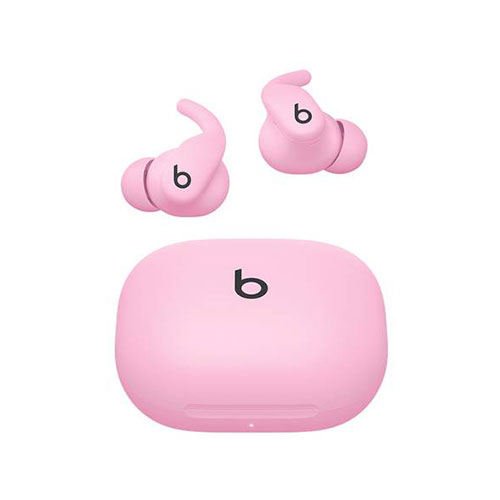
Need something that stays put? These small earbuds can stand up to the job. They fit like a charm thanks to their compact build, four ear tip sizes and pliable in-ear wingtips that replace the traditional ear hooks.
Read more below
Best for durability
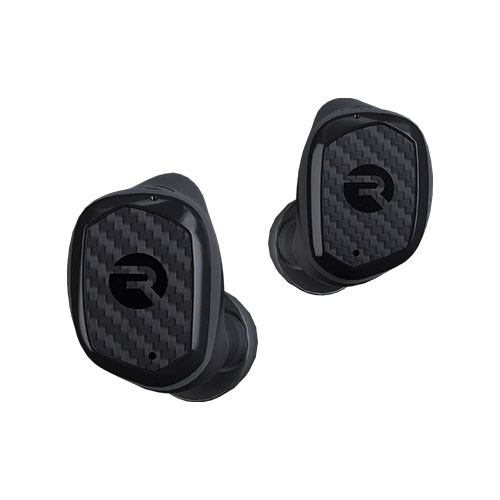
These rugged earbuds are dustproof, waterproof and tested to meet U.S. military standards for resistance to extreme temperatures, humidity and shocks. They are tough cookies.
Read more below
Best for hikers
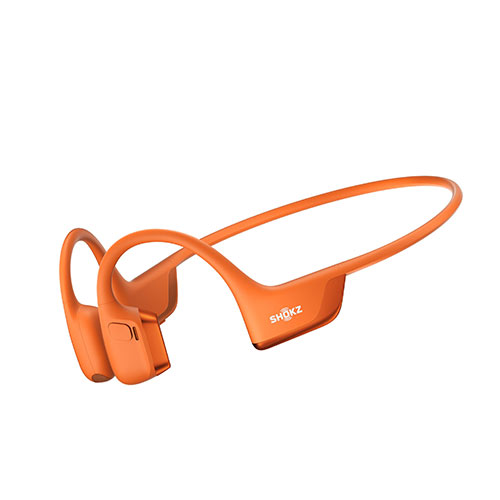
These bone conduction headphones are our firm favorite for hiking and casual strolls — they sound great, they are comfortable to wear, and their open-ear design allows us to stay tuned to the sounds of nature.
Read more below
Best for runners
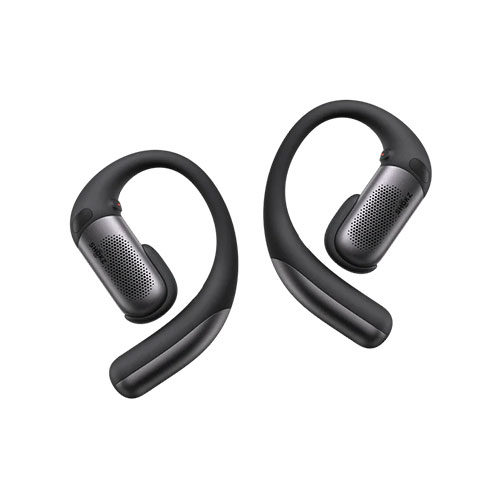
We dare say they are probably the best-sounding open-ear earbuds on the market right now. Plus, they are well built and come with innovative noise reduction features. A real treat for music-loving runners.
Read more below
Best for water sports
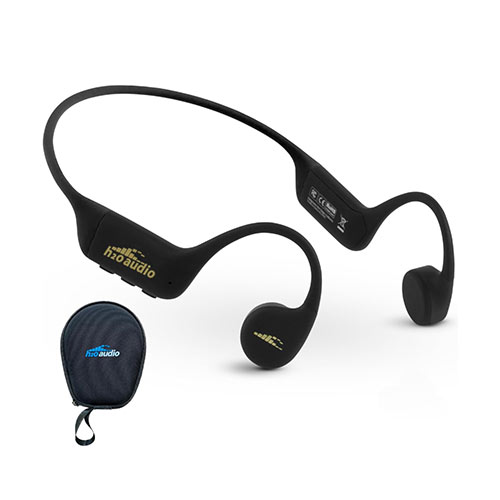
Want to listen to your favorite tunes when underwater or while competing in a triathlon? These fully waterproof bone conduction headphones can do what regular earbuds can’t.
Read more below
Best sports earbuds and workout-friendly headphones 2026: Tried and tested by a personal trainer
Why you can trust Live Science
Our expert reviewers spend hours testing and comparing products and services so you can choose the best ones for you. Find out more about how we test.
Best budget sports earbuds
Image 1 of 5


Buy if
✅ You are looking for a budget all-rounder: They work just as well for gym-based activities as they do for outdoor workouts.
✅ You want good sound quality: They are surprisingly rich and bass-heavy for the price.
✅ You do not want yet another pair of black earbuds: They come in four vibrant colors.
Don’t buy if
❌ You have very small ears: They may be too big or chunky for comfortable wear.
❌ You need an extra-secure fit: They do not come with earhooks or stabilizers.
The bottom line
🔎 CMF by Nothing Buds Pro 2: With their long battery life, bass-heavy sound and durable design, these are unquestionably our favorite sports earbuds in the budget-friendly category. That said, they may not fit everyone. ★★★★
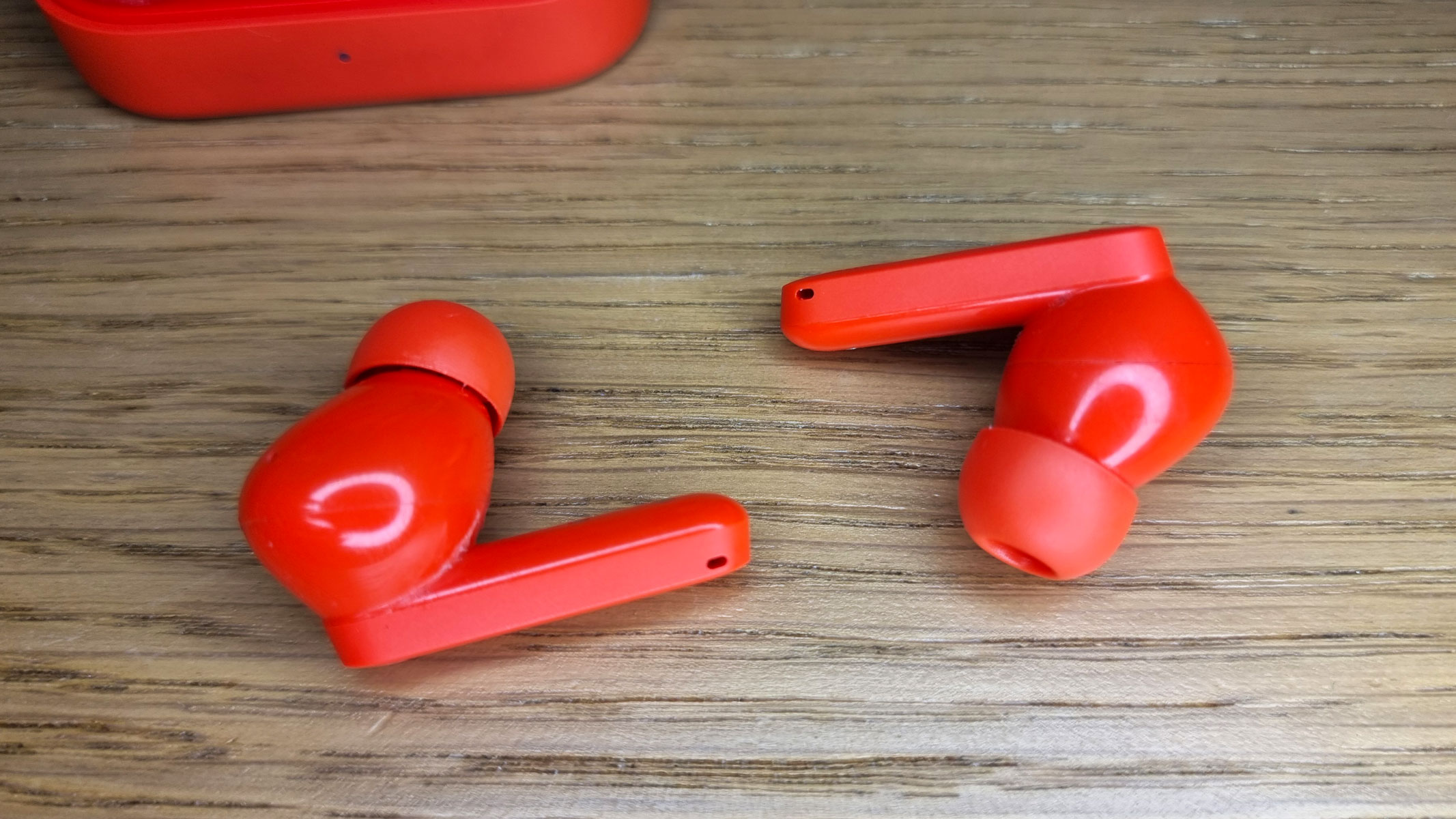
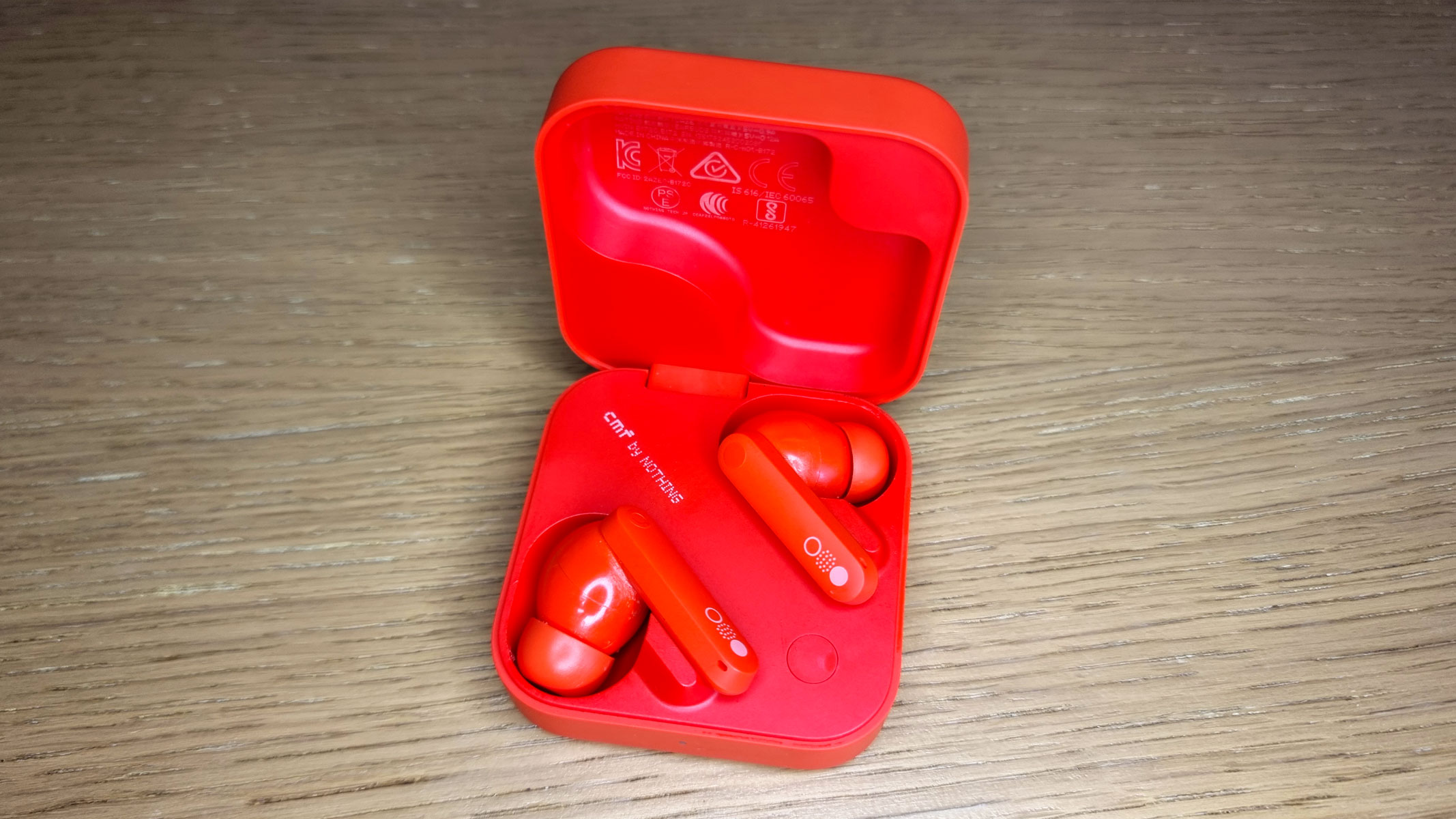
We have gone through dozens of sports earbuds in our lifetime, and admittedly, many were rather budget-friendly. We have a knack for losing them while traveling or damaging them during workouts, so we have learned the hard way to keep them affordable. In our experience, earbuds under $50 tend to fall into two categories: they are utterly mediocre or so surprisingly good that you keep and cherish them forever. The CMF by Nothing Buds Pro 2 are definitely in the latter camp. These earbuds cost $69 and are frequently on sale for less than $50, but they can easily compete with models two to three times the price.
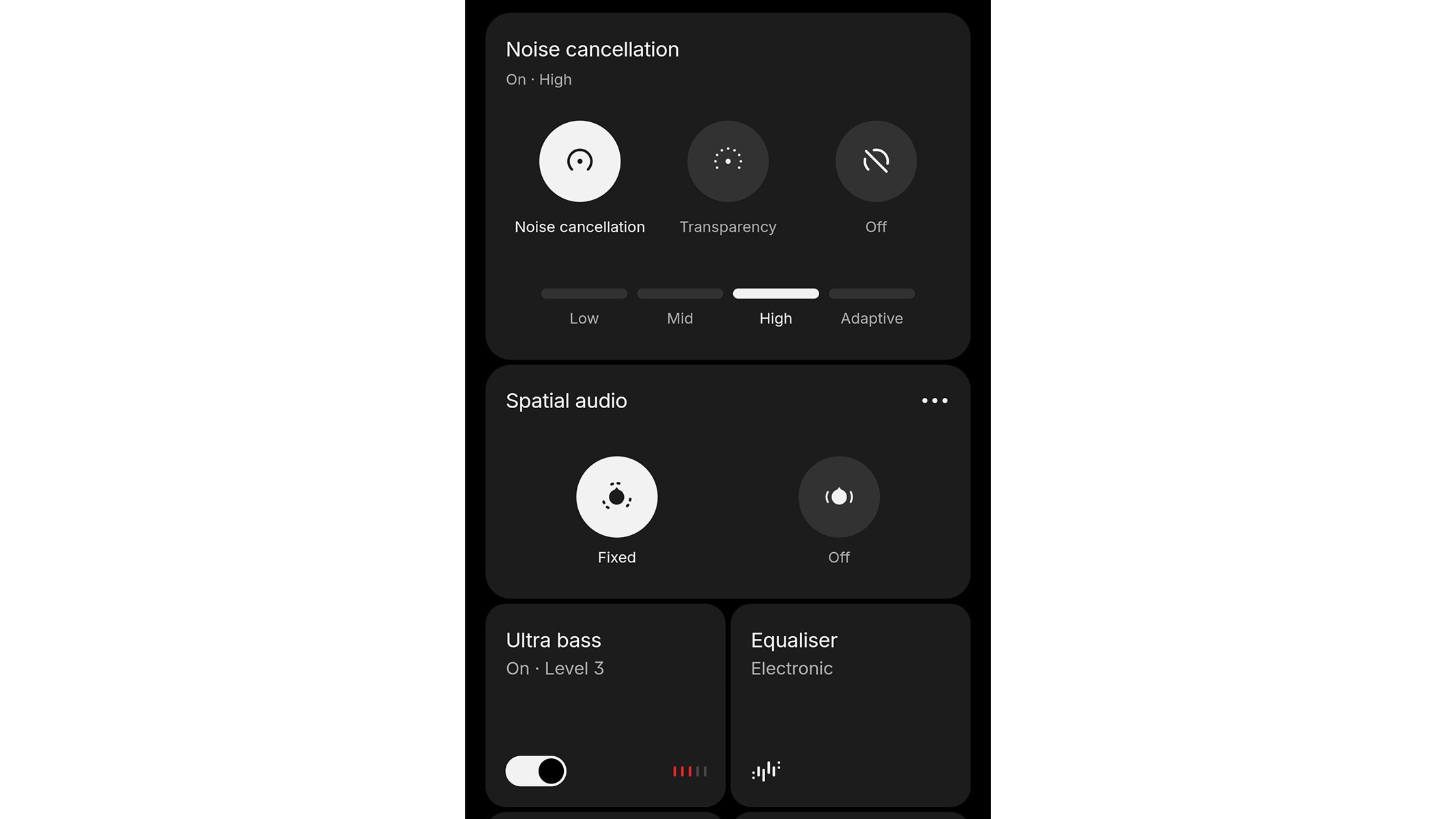
Sound quality is the biggest factor here. The CMF by Nothing Buds Pro 2 sound surprisingly rich and bass-heavy for the price. These earbuds have a real kick to them and can motivate you to push that little bit harder, whether you are lifting weights or racking up the miles on a home treadmill. If you would rather tone down the bass, though, you can always adjust the sound settings in the Nothing X app (that said, some may still find these earbuds a bit too bass-heavy even with the tweaks.)
Next, we have the Active Noise Cancellation (ANC) and transparency modes. While the CMF by Nothing Buds Pro 2 are not nearly as good at modifying background noise as some of the more premium models, they still perform surprisingly well. These earbuds did just as good a job of keeping us safe on a running track as they did blocking the incessant noise of a crowded gym. That’s no mean feat, given how affordable they are.
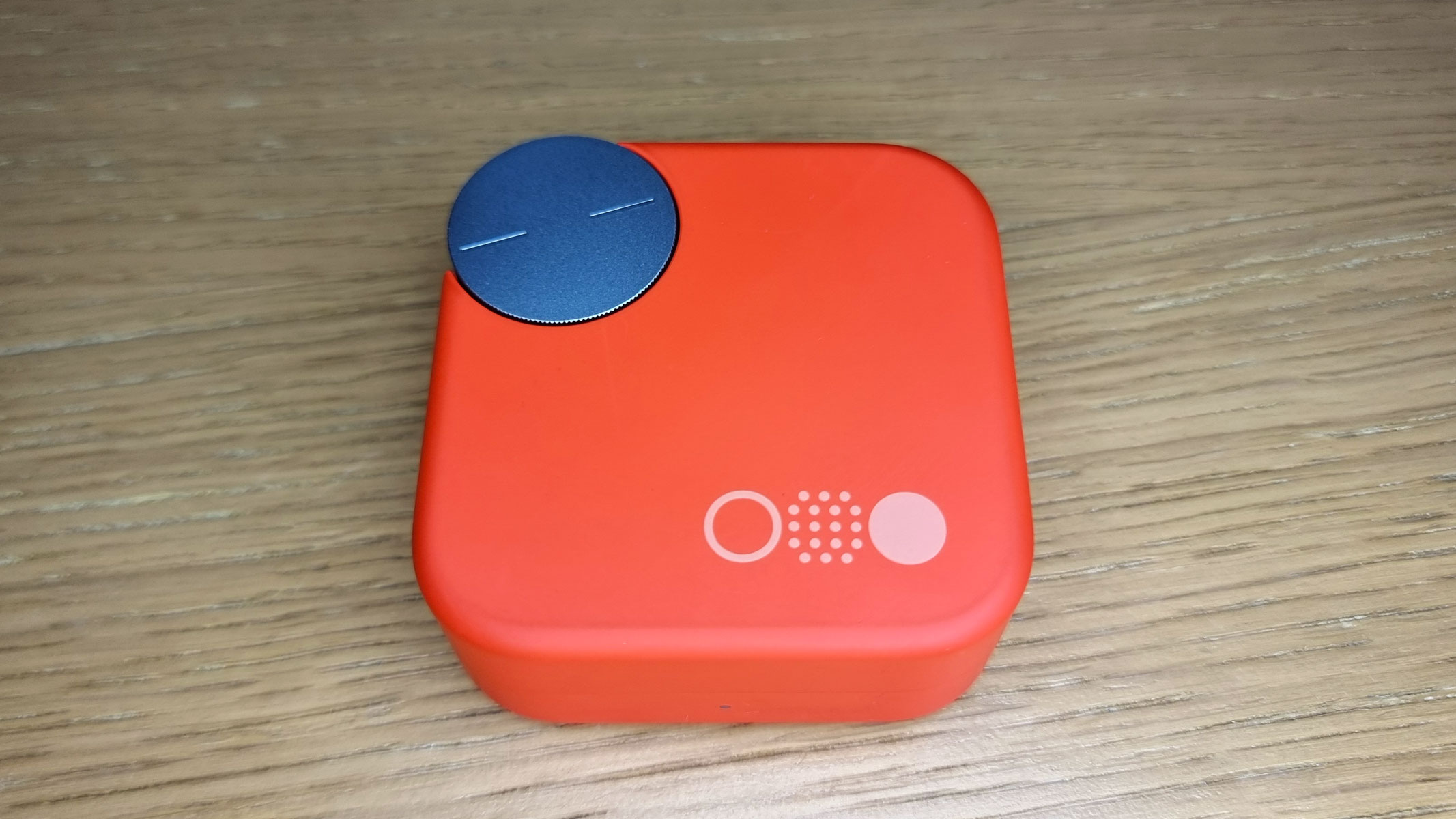
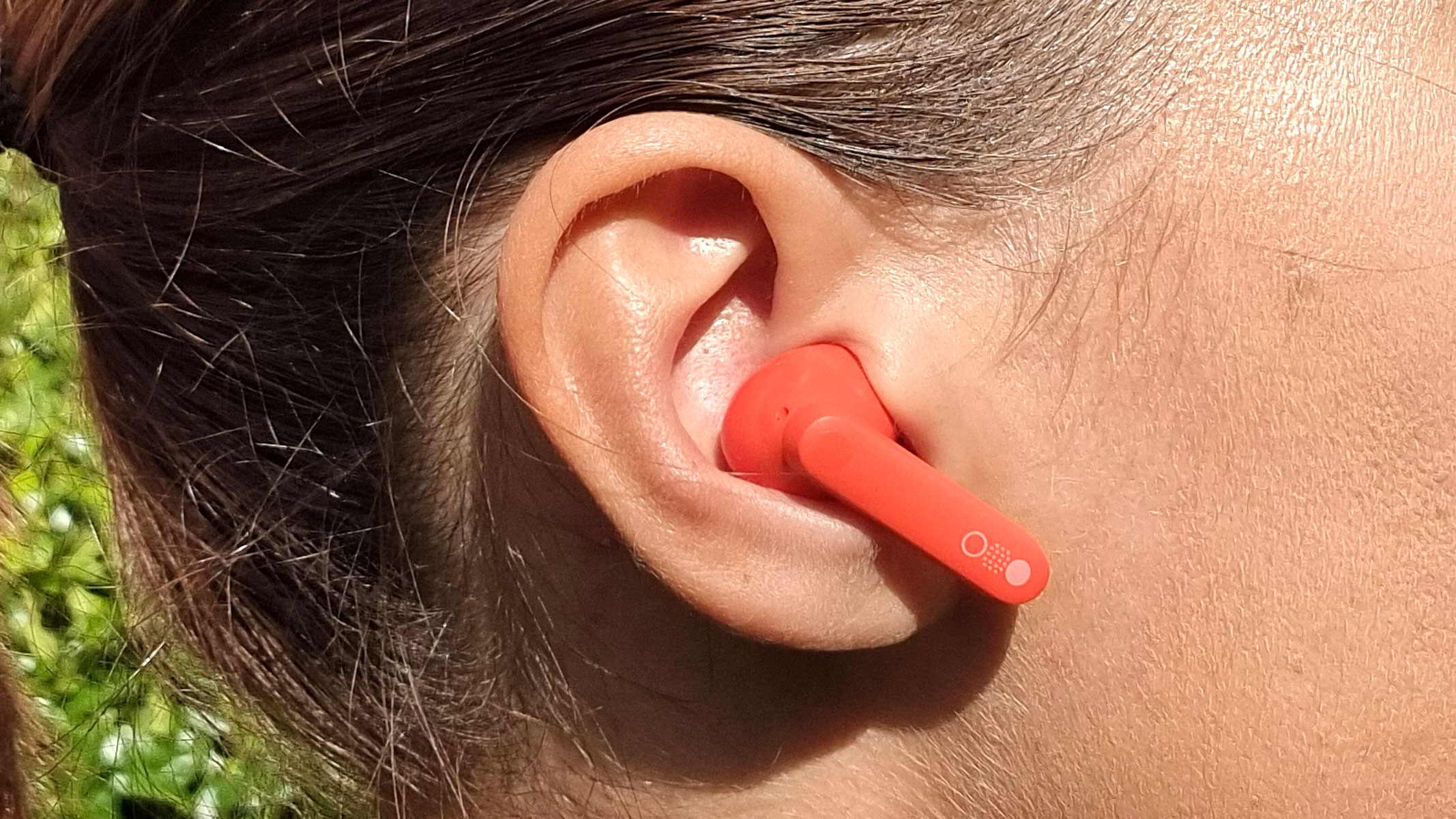
Lastly, the looks and durability. The CMF by Nothing Buds Pro 2 are rated IP55, meaning they are both dust- and sweat-proof, and they feel quite sturdy too. We must have dropped them at least a dozen times and they still work fine. We are also big fans of their vibrant color palette — most budget-friendly earbuds are only available in black, so it is refreshing to see something this funky.
On the other hand, the CMF by Nothing Buds Pro 2 may not be a good fit for everyone. These earbuds are admittedly pretty chunky and those with small ears may find them either uncomfortable to wear or not secure enough to withstand those more intense workouts. They do not come with any helpful ear hooks or stabilizers, either.
|
Attributes |
Notes |
Rating |
|---|---|---|
|
Design |
Durable and colorful. Chunky, but generally comfortable to wear. |
★★★★ |
|
Performance |
Great sound quality and noise reduction for the price. |
★★★★ |
|
Functionality |
Wide range of sound settings. App-connected. |
★★★★ |
Best sports earbuds for secure fit
Image 1 of 5

Buy if
✅ You are an audiophile. The sound is rich and balanced.
✅ You like high-intensity exercises: They do not tend to fall out.
✅ You want something compact: The charging case can fit in a pocket.
Don’t buy if
❌ You are on a budget: They cost nearly $200 and are rarely on sale.
❌ You want something waterproof: While they are sweat-proof, they can’t be submerged underwater.
The bottom line
🔎 Beats Powerbeats Fit: These tiny, wing-tipped earbuds fit your ear like a charm, and they sound great, too. That said, they are not particularly waterproof or budget-friendly. ★★★★
Can’t seem to keep your earbuds in when working out? We have been there. There is nothing more frustrating than having to pick your buds up off the gym mat after a particularly complex yoga pose, or being forced to dive underneath the treadmill to retrieve them every time you finish a lung-busting sprint. The good news is that it does not have to be this way — we may have finally found something that can survive our back-breaking exercises.
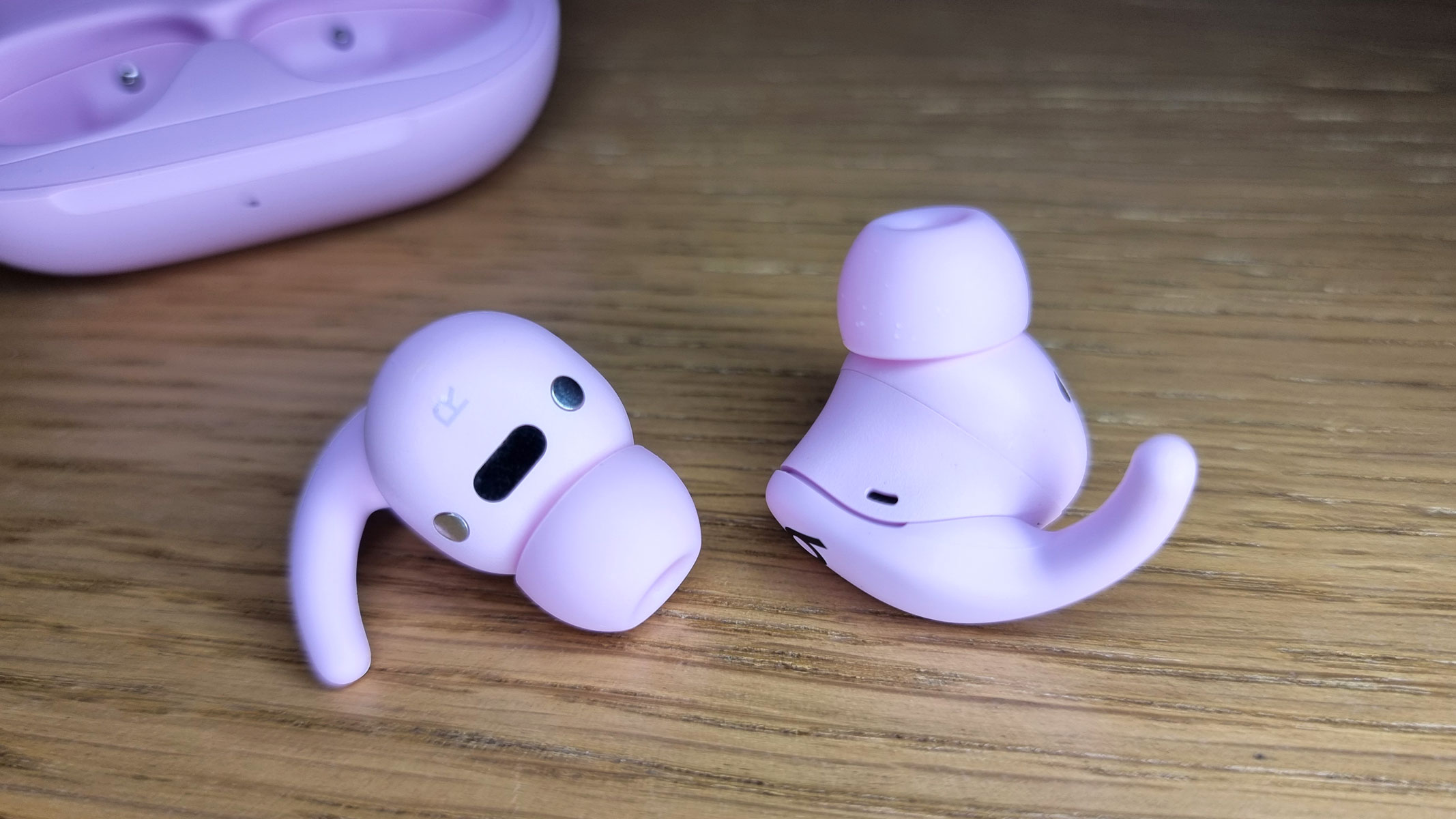
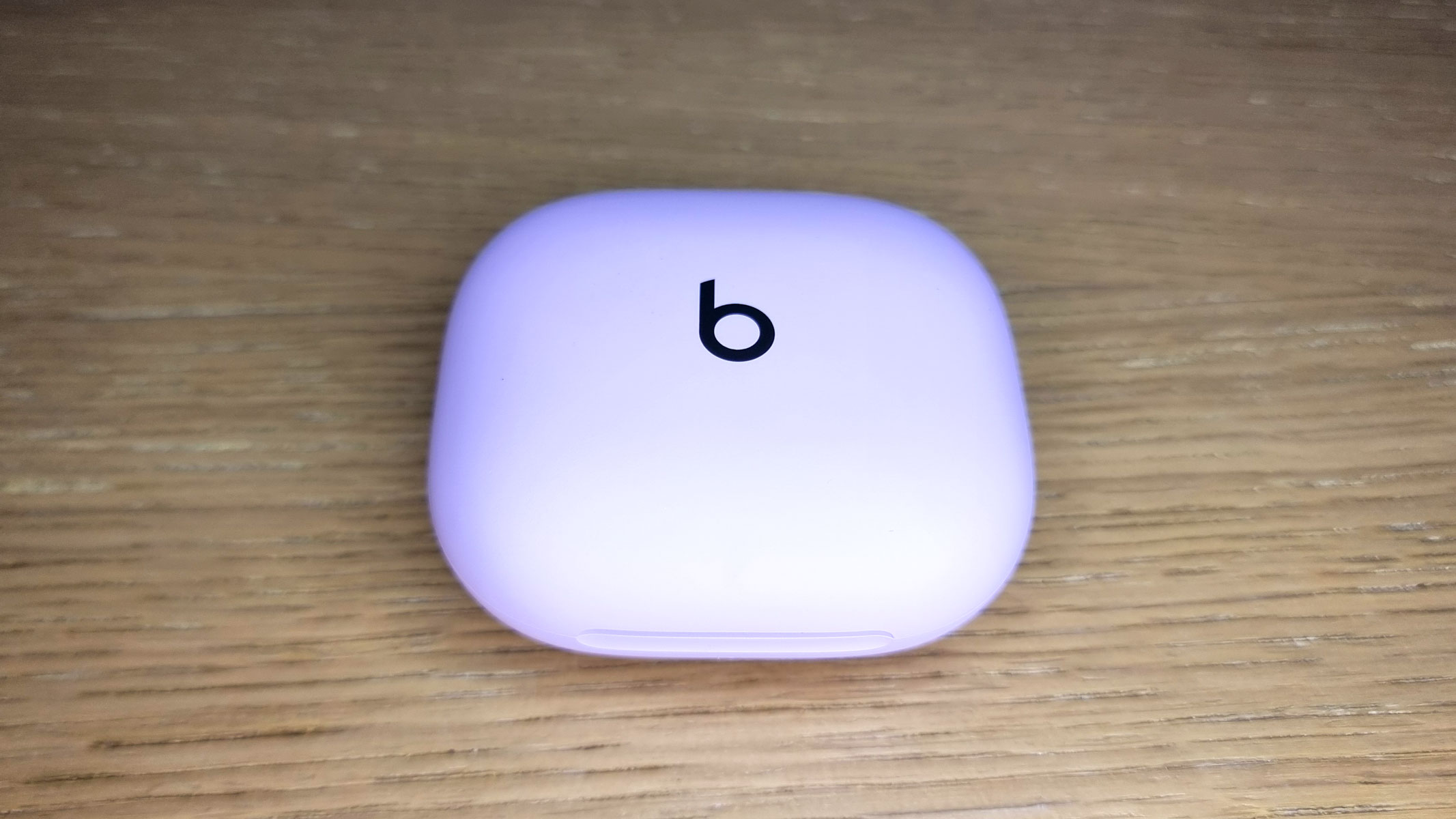
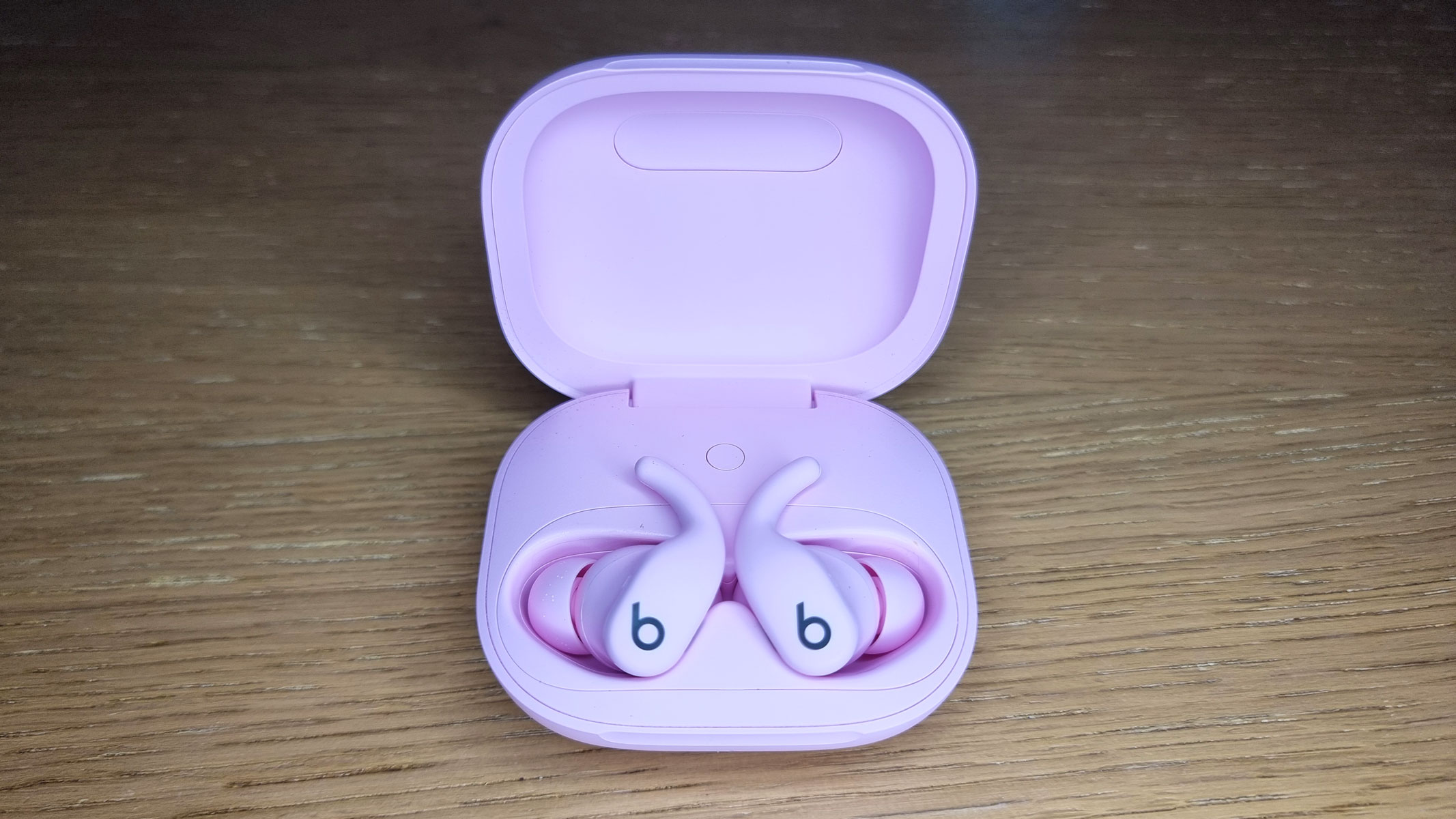
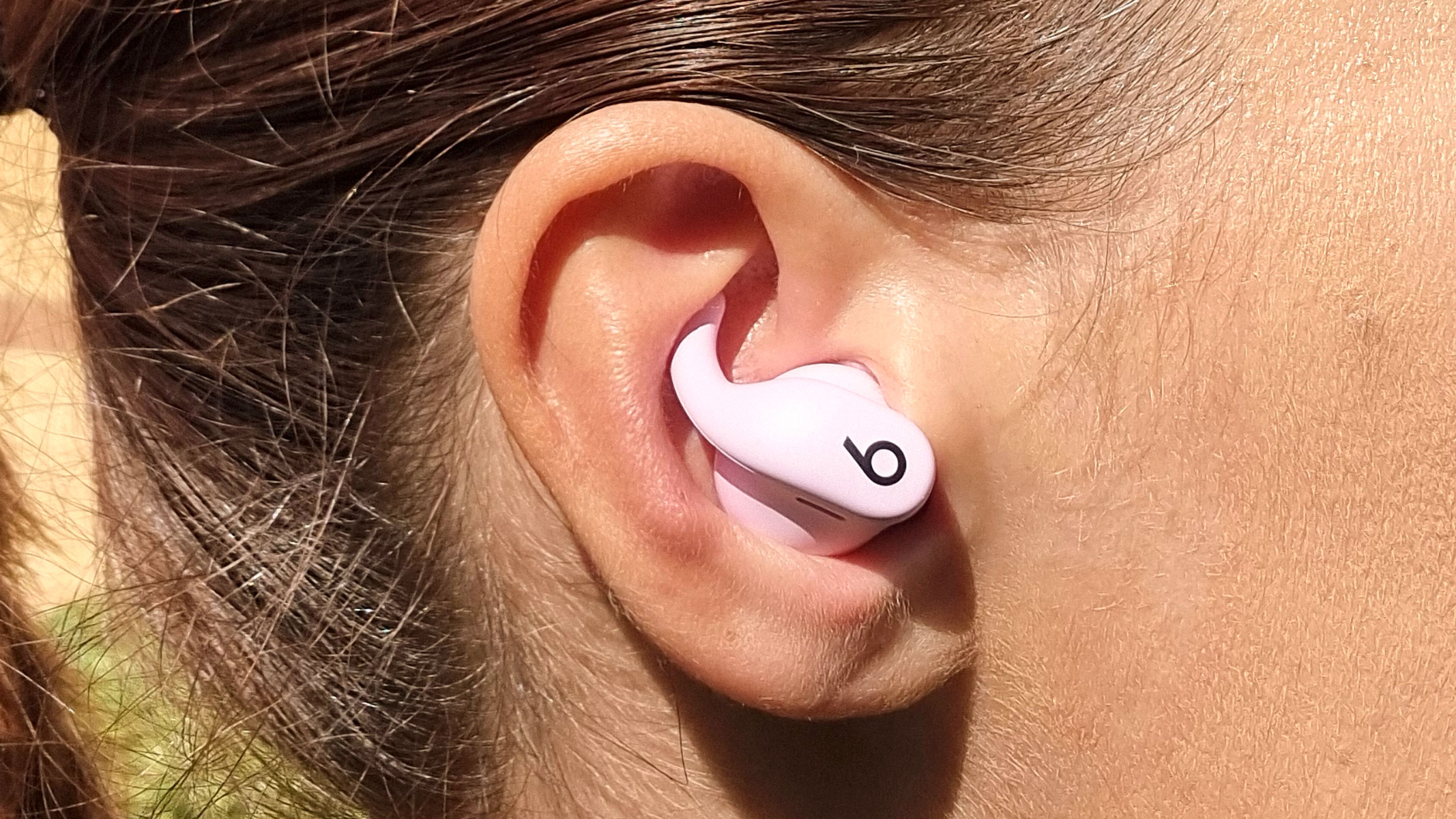
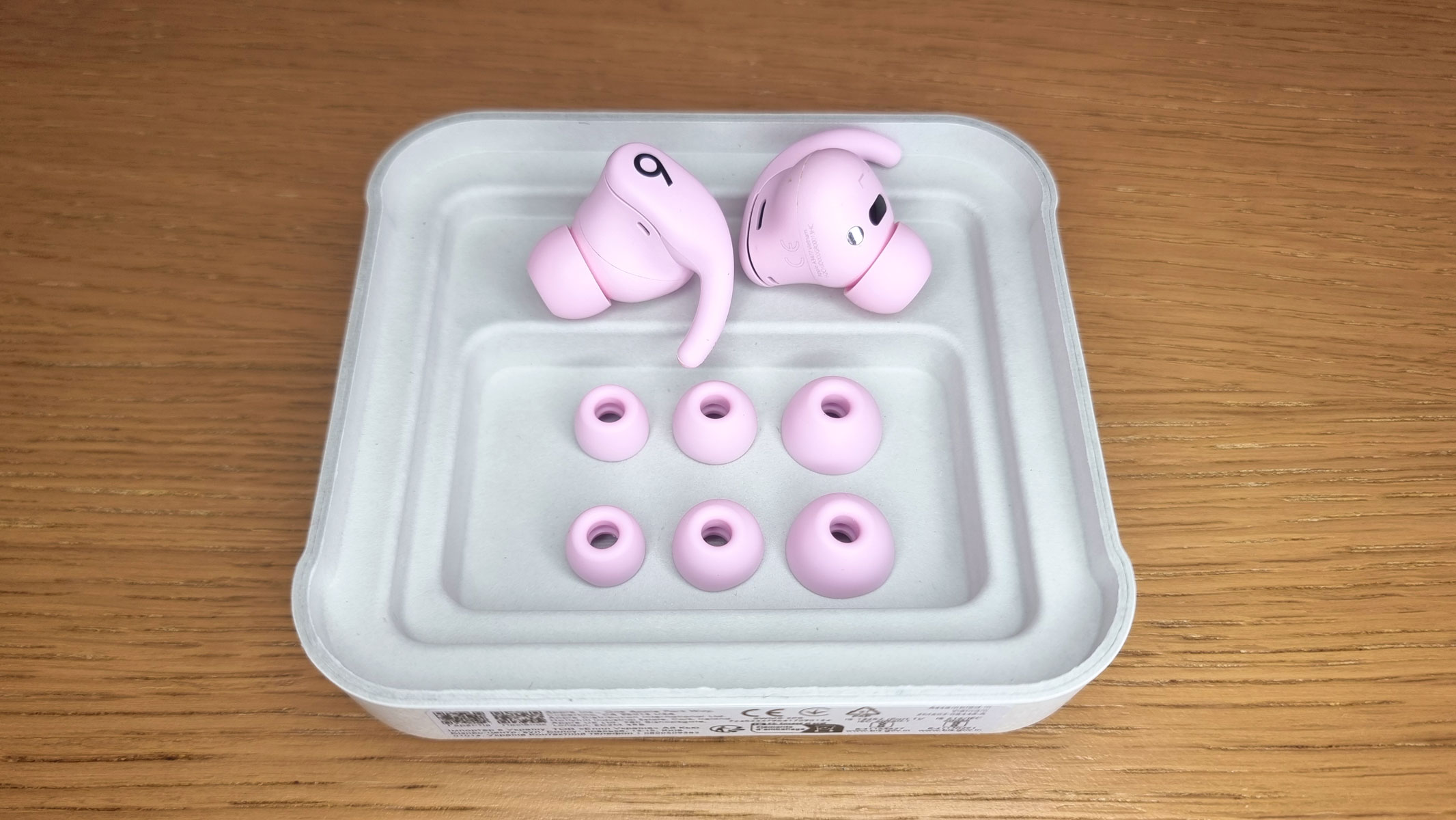
The Beats Powerbeats Fit do indeed, as the name suggests, fit well. These earbuds are quite small and feature four ear tip sizes, so they sit securely in the ear no matter its size. More importantly, they come with pliable in-ear wingtips instead of the traditional ear hooks. These wingtips do not rest on the top of your ear, but rather twist into it, snuggly locking the earbud in place.
This unusually snuggly design works like a charm. Whether we lifted weights, went on an indoor bike or did an intense bout of HIIT, we could easily forget we were even wearing the earbuds. The Beats Powerbeats Fit have never fallen out of our ears or forced us to constantly adjust them back into place, therefore allowing us to focus on the music and movement in place.
These earbuds not only fit well, they also sound great — with a good balance of bass and treble, and enough detail and richness to satisfy the needs of audiophiles. The Beats Powerbeats Fit are also exceptionally portable. The charging case was so small that it could easily fit in a pocket of our gym leggings.
If there is anything we would complain about, it would be their ANC mode. It is just not as good as we expected it to be. The Beats Powerbeats Fit cost around $199.99, and as one of the more expensive options in this guide, it is fair to expect them to have better background noise reduction. We also noticed considerable sound leakage on these earbuds. In fact, it was more noticeable than in the far more affordable CMF by Nothing Buds Pro 2.
We also need to mention some app connectivity woes. We are not sure whether these issues had something to do with our Android phone or the earbuds themselves, or both, but our testing unit seemed to disconnect constantly from the Beats app. We also had a hard time trying to reconnect them.
|
Attributes |
Notes |
Rating |
|---|---|---|
|
Design |
Small and secure-fitting, but not waterproof. |
★★★★½ |
|
Performance |
Good sound quality and relatively long battery life. Poor app connectivity. |
★★★★ |
|
Functionality |
Multiple sound settings. Connected app. |
★★★★½ |
Best sports earbuds for durability
Buy if
✅ You love outdoor activities: They are durable and waterproof.
✅ You want long battery life: They last the longest of all the models mentioned in this guide.
Don’t buy if
❌ You are an audiophile: Their sound quality receives rather mixed opinions.
❌ You want advanced sound settings: No app-based sound equalizer.
The bottom line
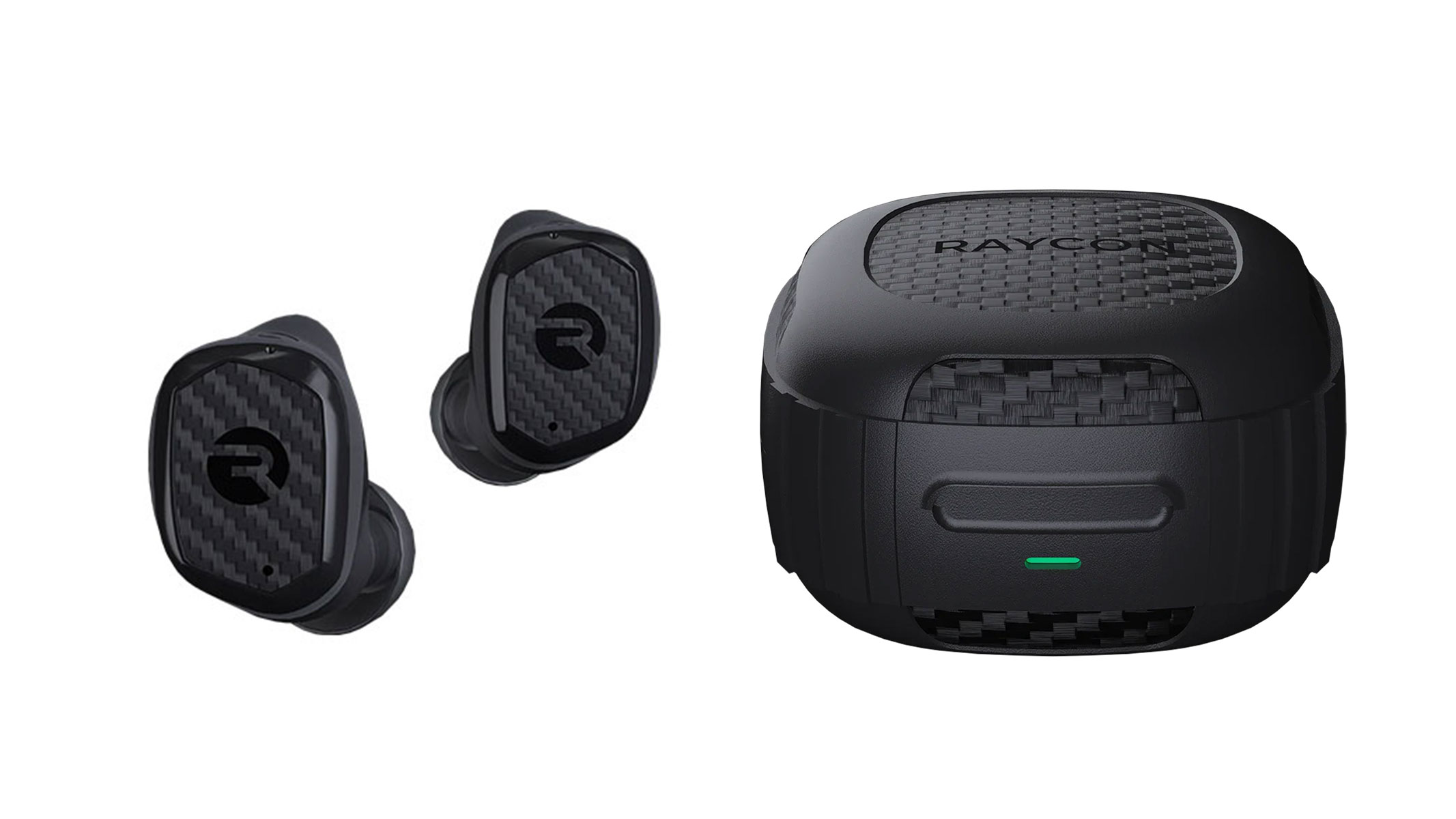
🔎 Raycon Impact: Exceptionally durable, highly waterproof and reasonably priced, these are some of the best earbuds for the more extreme forms of outdoor exercise. ★★★★
The Jabra Elite 8 Active — “the world’s toughest earbuds” and one of the handful of models that scored a full five stars in our at-home tests — have now sadly been discontinued. So, what’s the next best thing? Going by the specs alone, we would suggest the Raycon Impact. True, we can’t vouch for their sound quality or real-life performance as we have not tested them personally, but they are perhaps the closest match for the impressively durable Elite 8 Active.
To start with, these earbuds are IP67-rated, which makes them fully dustproof and capable of withstanding submersion in water up to 3.3 feet (1 meter) for 30 minutes. The Raycon Impact are also certified to the U.S. Military Standards for ruggedized electronics (MIL-STD-810G), meaning they can withstand extreme temperatures, shocks and high humidity levels. To top it off, they come with up to a whopping 90 hours of battery life with a charging case, the longest of all the models mentioned in this guide. No matter how you look at it, these are some truly impressive stats.
At the same time, the Raycon Impact are surprisingly affordable for what they have to offer — they cost $149.99 and are often on sale for less than $120. To put that into perspective, the Jabra Elite 8 Active used to be priced at a rather steep $229.99.
However, this price difference could be a reflection of poorer functionality. The Raycon Impact are only available in black, for example, whereas the Jabra Elite 8 Active came in four different colors. Also, if the online user reviews are anything to go by, the sound quality on these earbuds can be somewhat underwhelming. A handful of buyers also complained about their touch controls being slow or not functioning properly.
|
Attributes |
Notes |
Rating |
|---|---|---|
|
Design |
Durable and waterproof. Black color only. |
★★★★ |
|
Performance |
Long battery life at a reasonable price. |
★★★★ |
|
Functionality |
Suitable for a wide range of workouts. No connected apps. |
★★★ |
Best headphones for hikers
Image 1 of 4
Buy if
✅ You want to stay aware of your surroundings: Their open-ear design allows you to hear the world around you.
✅ Sound quality is important to you: They are the best-sounding bone conduction headphones we have tested.
✅ You want something that lasts all day: They boast up to 12 hours of battery life.
Don’t buy if
❌ You are on a budget: There are many cheaper bone conduction headphones out there.
❌ You want to keep noise out: They do not cover the ear canal and have no ANC.
The bottom line
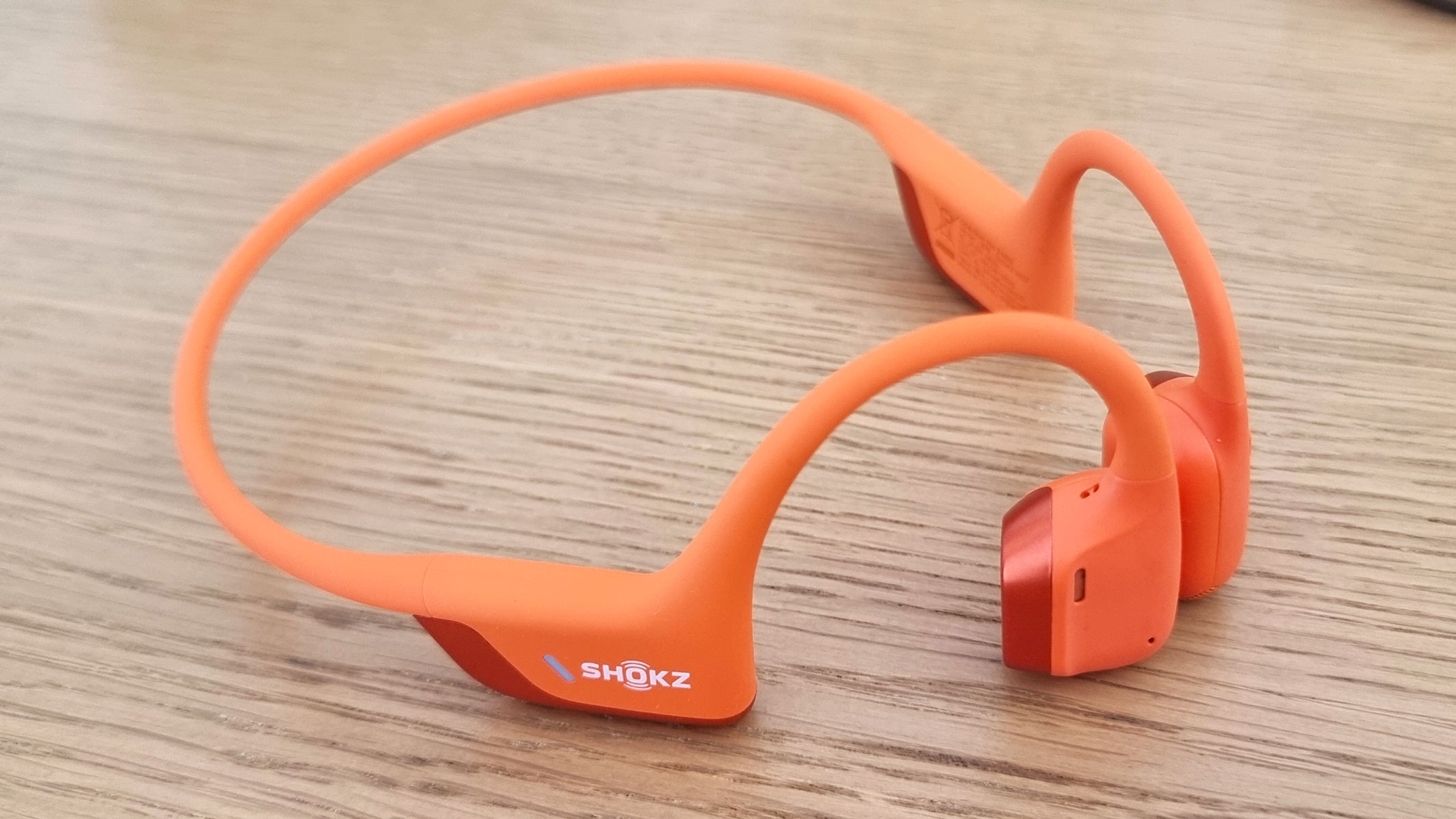
🔎 Shokz OpenRun Pro 2: These bone conduction headphones combine great sound quality with ultra-comfortable fit and durable design, making them a perfect option for outdoor exercise enthusiasts. ★★★★½
Long hiking trips offer a perfect opportunity to ditch your day-to-day headphones and focus on the natural world around you instead. But what if you also want to catch up with your favorite podcast or finish that audiobook that you never seem to have time for? This is where bone conduction headphones can come in handy.
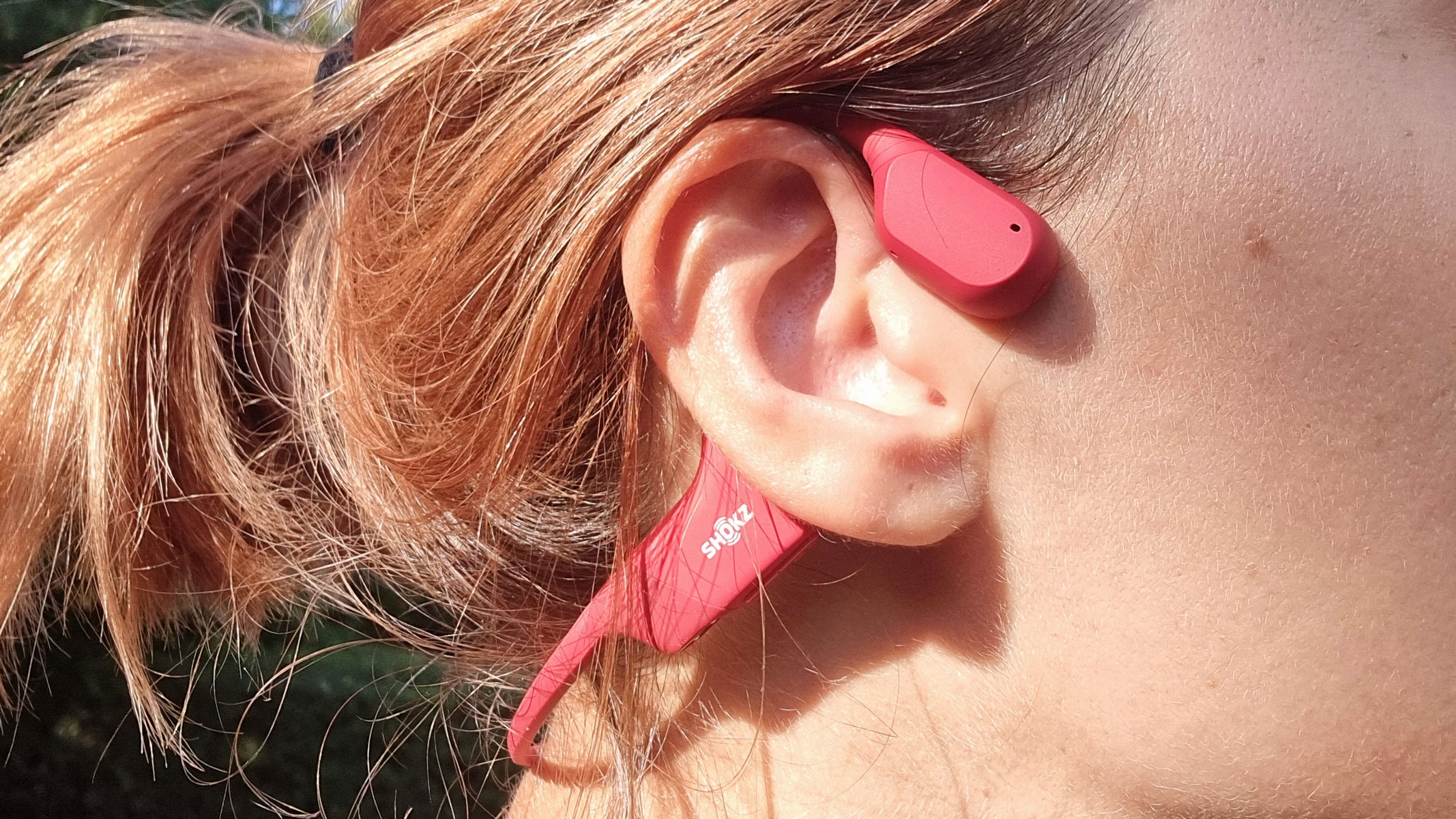
Unlike earbuds that cut you off from the outside world, these open-ear headsets keep you fully aware of your surroundings. This way, you will not miss the precious sounds of wildlife or trees rustling in the breeze, and you will keep yourself alert to any potential dangers on the track (oncoming traffic or wild animals, for example.) Bone conduction headphones do not cause nearly as much “listening fatigue” as earbuds, either, mostly because they work by passing sound through the bones in your jaw and skull, not through the air and directly into your eardrum. Plus, their wraparound design does not exert any pressure on the ear canal. You can wear bone conduction headphones for hours on end and not feel any discomfort.
The reason we prefer bone conduction headphones to other open-ear models mentioned in this guide is that they tend to be more reliable on the tougher stretches of the hike. Unlike the small earbuds, they are too big and secure-fitting to be blown off by strong coastal winds, get lost in a muddy creek or fall off during vertical rock climbing. You can easily forget you are even wearing them and focus entirely on the world around you.
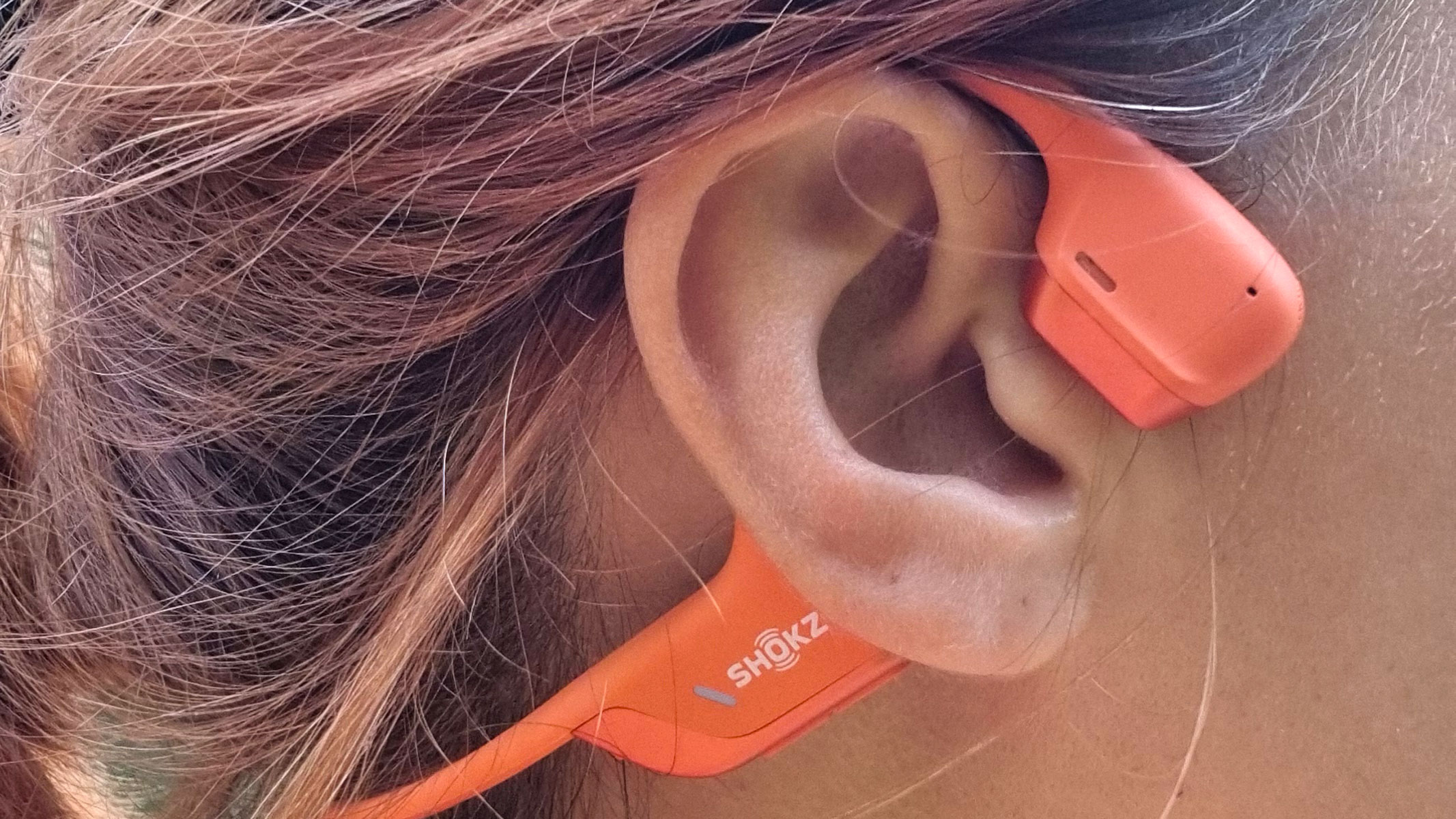
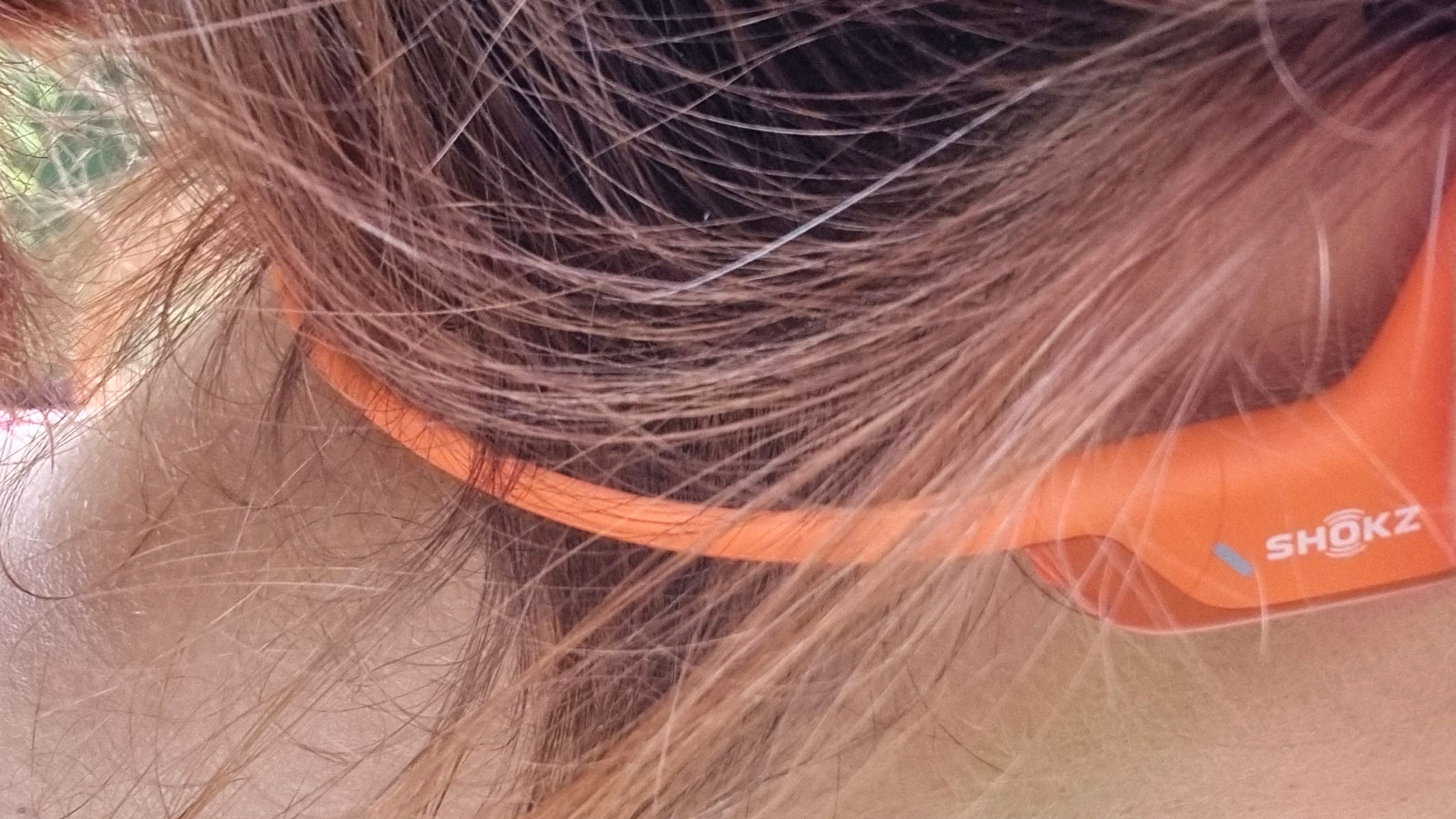
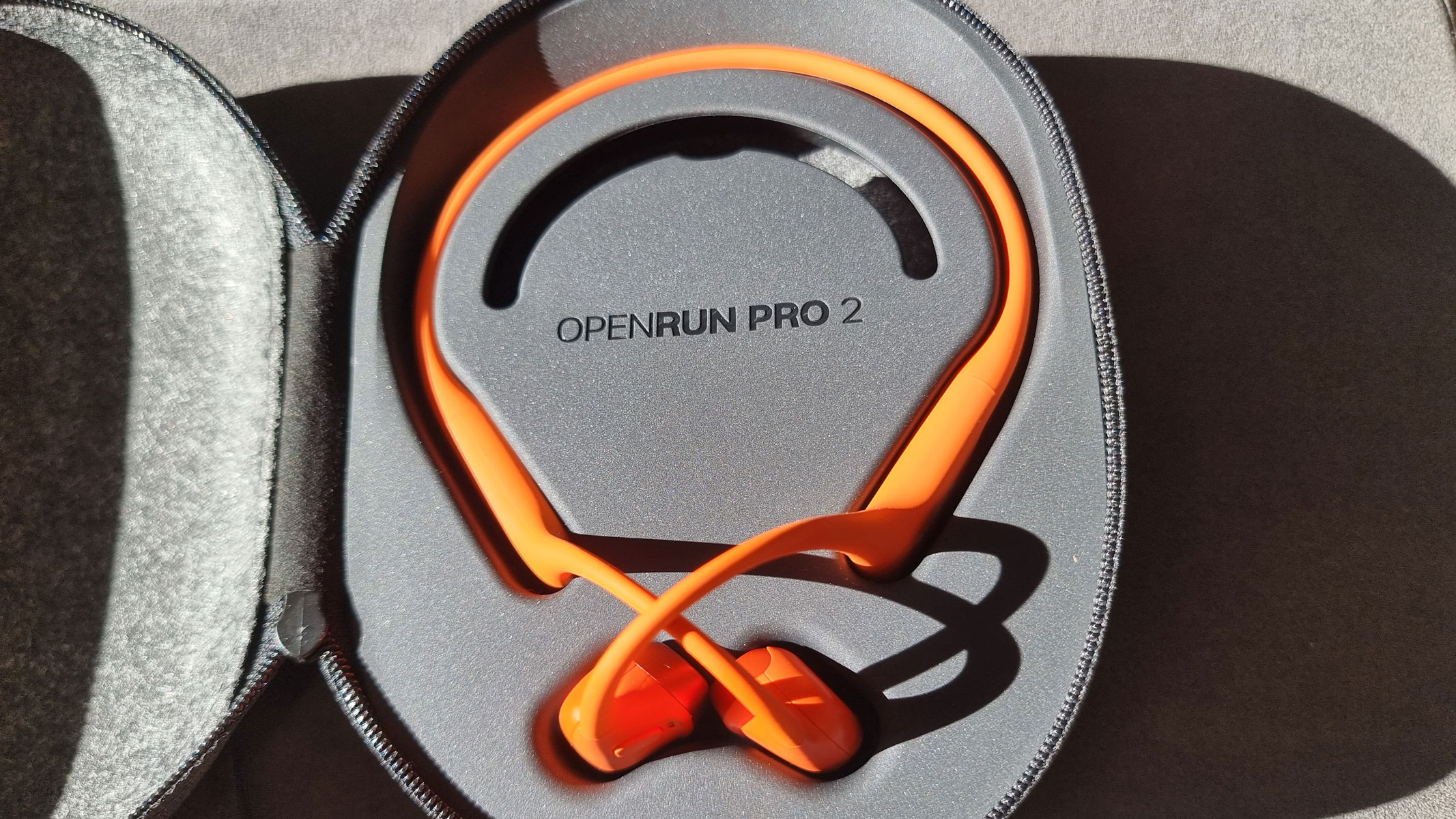
While there are plenty of good bone conduction headphones out there, there is one model that truly steps up the game for us. We are talking, of course, about the Shokz OpenRun Pro 2. We must have taken them on at least 10 hiking trips, long and short, and they have always enhanced our hiking experience rather than gotten in the way of it (like many other headphones did in the past.) They are durable, light and comfortable to wear, and above all, they have arguably the best sound quality of all the bone conduction models that we have tried so far.
The only real downside to the Shokz OpenRun Pro 2 is the price — $179 is pretty steep for bone conduction headphones, even if they are as good as these.
|
Attributes |
Notes |
Rating |
|---|---|---|
|
Design |
Light, durable and comfortable to wear. Not waterproof. |
★★★★½ |
|
Performance |
Great sound quality and long battery life. |
★★★★★ |
|
Functionality |
No noise reduction. Connected app. |
★★★★ |
Best earbuds for runners
Image 1 of 5

Buy if
✅ You are an audiophile: They sound the best of all the open-ear earbuds we have tested.
✅ You go for long runs or day-long competitions: They last up to 12 hours on a single charge.
✅ You want to reduce background noise: They come with innovative noise reduction features.
Don’t buy if
❌ You are on a budget: They are one of the most expensive options in this guide.
❌ You have small ears: They fit well, but we suspect some may find them to be a bit too bulky for comfortable wear.
The bottom line
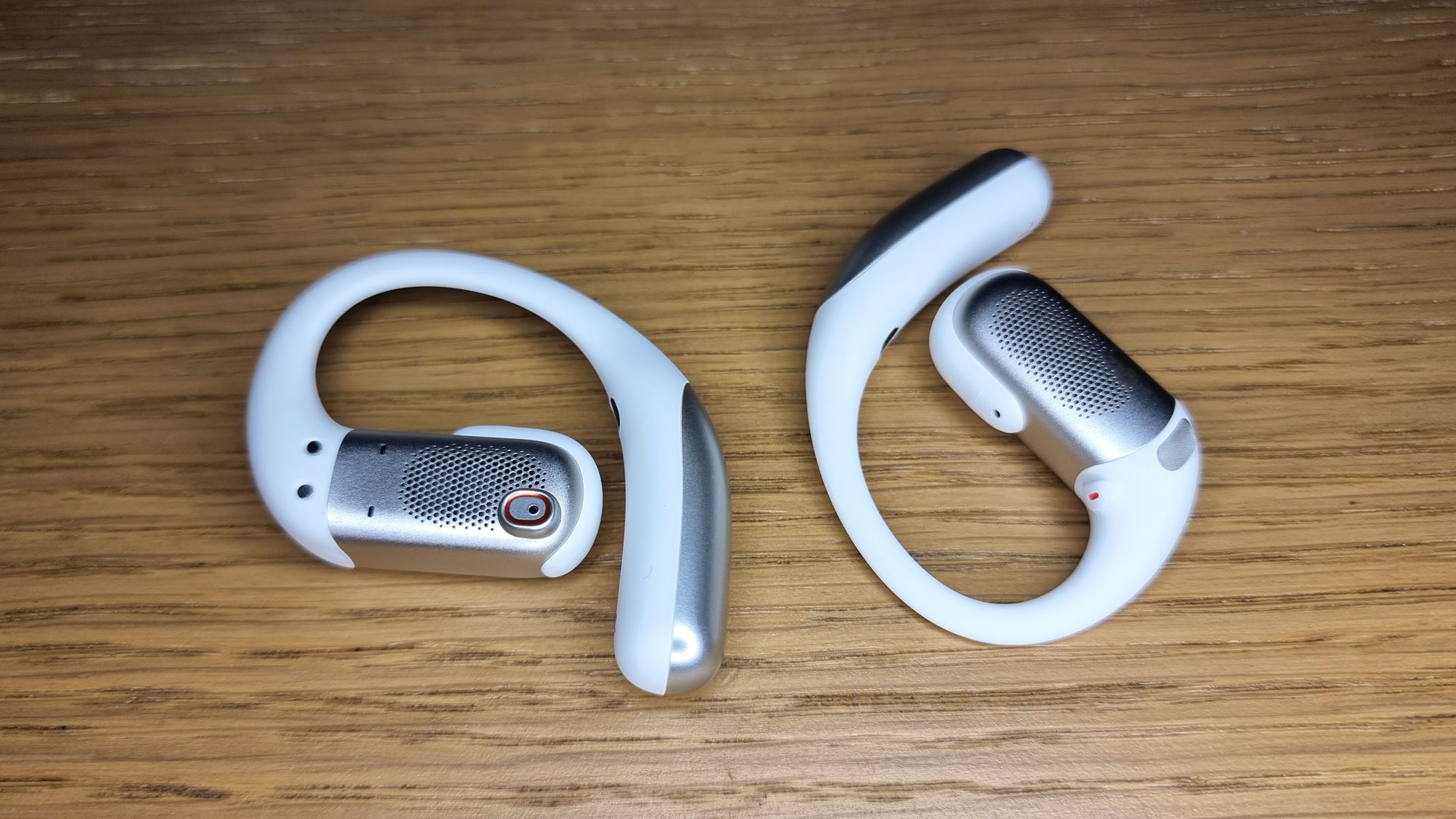
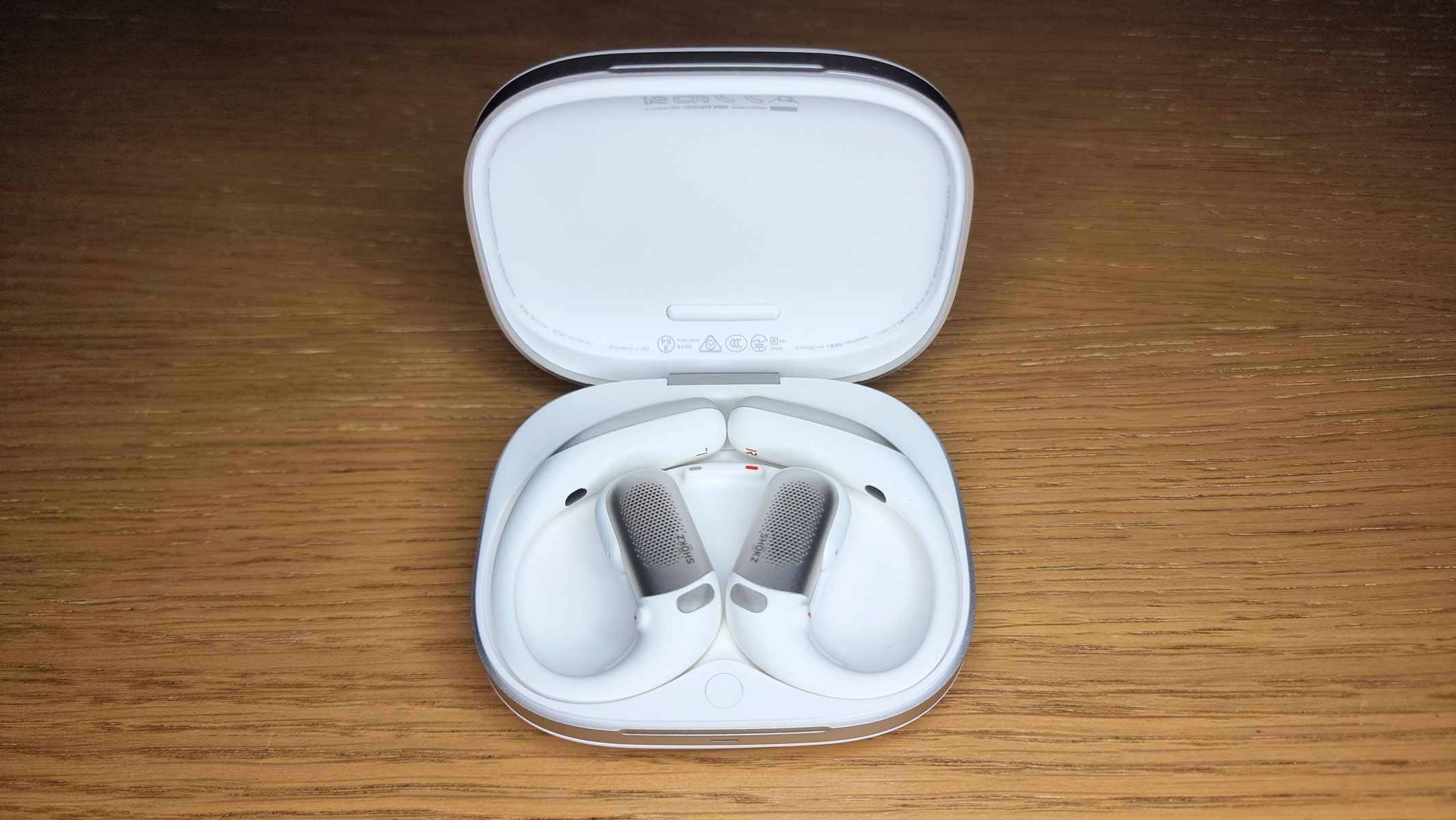
🔎 Shokz OpenFit Pro: With great sound quality, durable design and long battery life, these earbuds are an excellent pick for fitness-loving audiophiles (just not necessarily those on a budget.) ★★★★½
When it comes to running outdoors, we have two personal favorites: the aforementioned Shokz OpenRun Pro 2 and the Shokz OpenFit Pro. Both of these open-ear headphones can do a great job keeping you alert and entertained, and both offer great build quality and workout-friendly design. That said, it is the latter that narrowly wins the competition here.
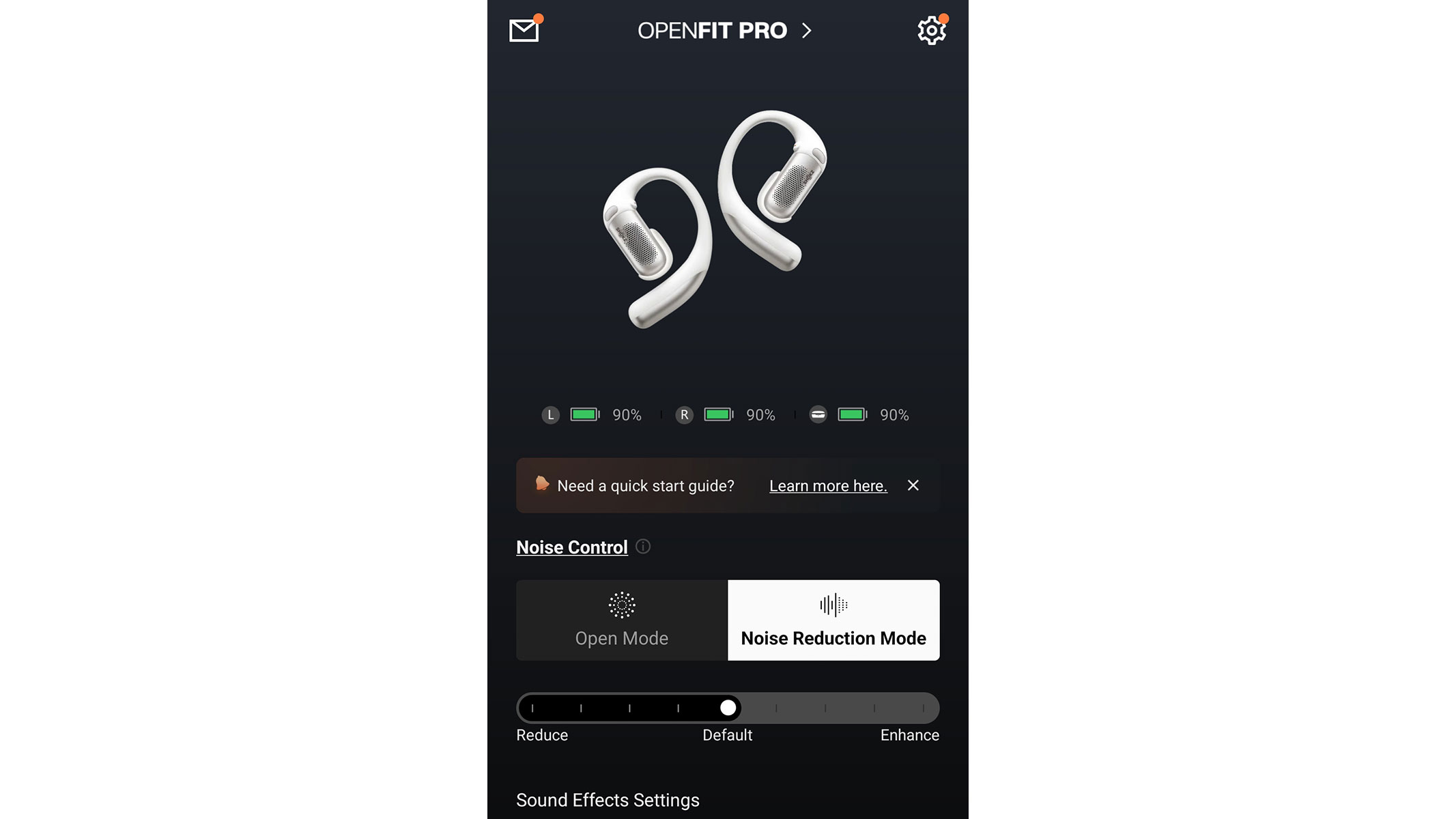
To start with, the Shokz OpenFit Pro earbuds sound way better, especially when it comes to complex or bass-heavy music. The Shokz OpenRun Pro 2 headphones boast excellent sound quality for a bone conduction set, but they are simply unable to compete here. Noise reduction is another aspect that tipped the scales for us. Bone conduction headphones are physically unable to muffle any unwanted background sounds. The Shokz OpenFit Pro earbuds, on the other hand, feature an innovative noise reduction mode.
Of course, no open-ear headphones will ever be as effective at blocking out noise as over-ear headphones with ANC. The Shokz OpenFit Pro can, however, filter out a good chunk of it — and we can attest to that. These earbuds came in very handy whenever we wanted to tone down the mechanical whirl of the treadmill at high speeds, or reduce the traffic noise coming from the high-speed road next to our track. That little novelty made a tangible difference to the quality of our running workouts.
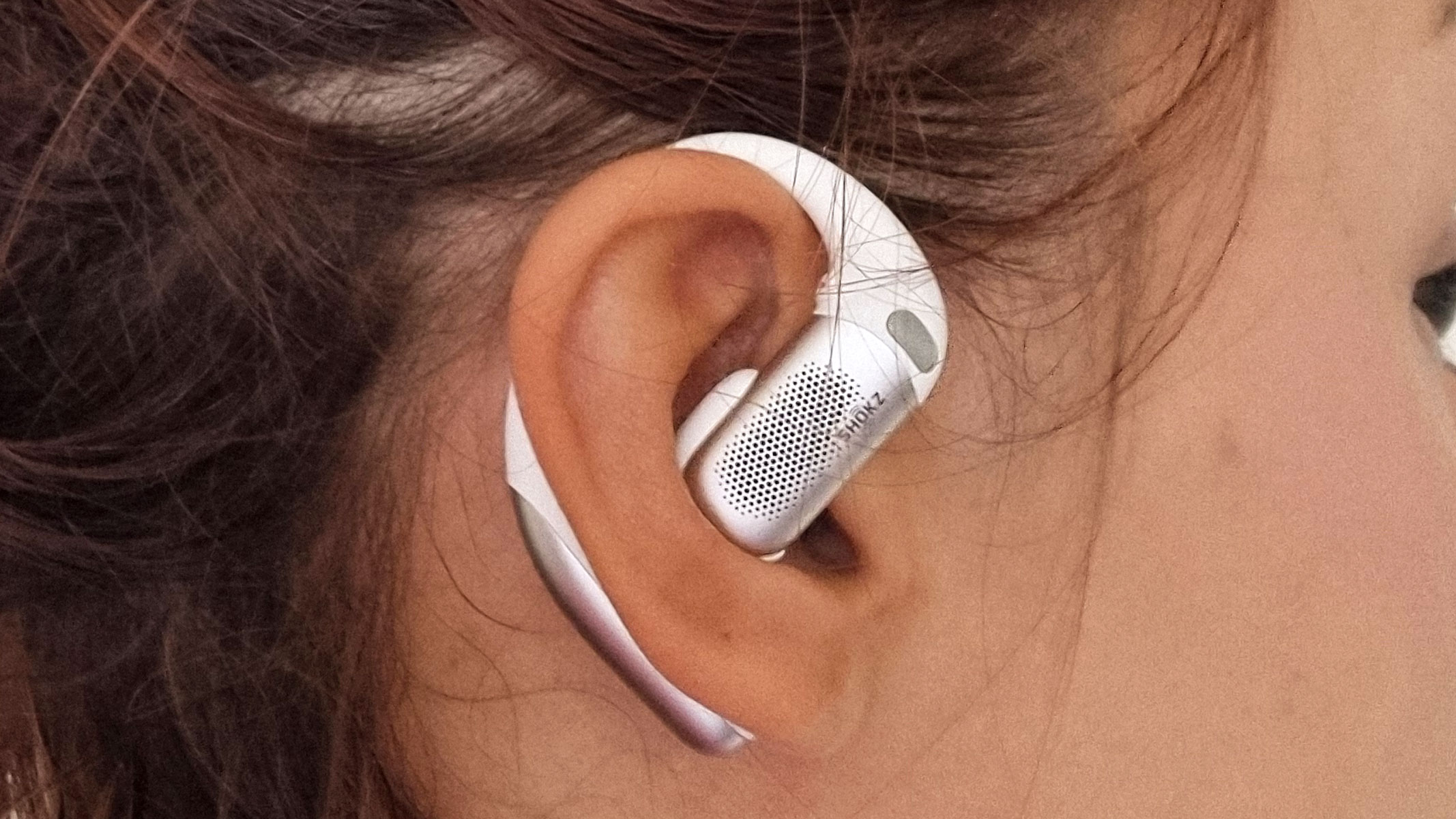
Fit is another factor that scored highly in our books. The Shokz OpenFit Pro earbuds do not feature a rubber-coated band that can get in the way of ponytails or head covers. Instead, they rest on the ear and are kept in place with earhooks and optional silicone stabilizers.
Still, the Shokz OpenFit Pro may not be a good fit for everyone. Some people, especially those with smaller ears, may find these earbuds too bulky and loose-fitting for comfortable wear. The price can also be a bit off-putting. The Shokz OpenFit Pro cost $249.95, making them the most expensive earbuds in this guide.
|
Attributes |
Notes |
Rating |
|---|---|---|
|
Design |
Secure and comfortable to wear. Slightly chunky. |
★★★★½ |
|
Performance |
Great sound quality and long battery life. |
★★★★½ |
|
Functionality |
Connected app. Not fully waterproof. |
★★★★½ |
Best headphones for water sports
Image 1 of 4
Buy if
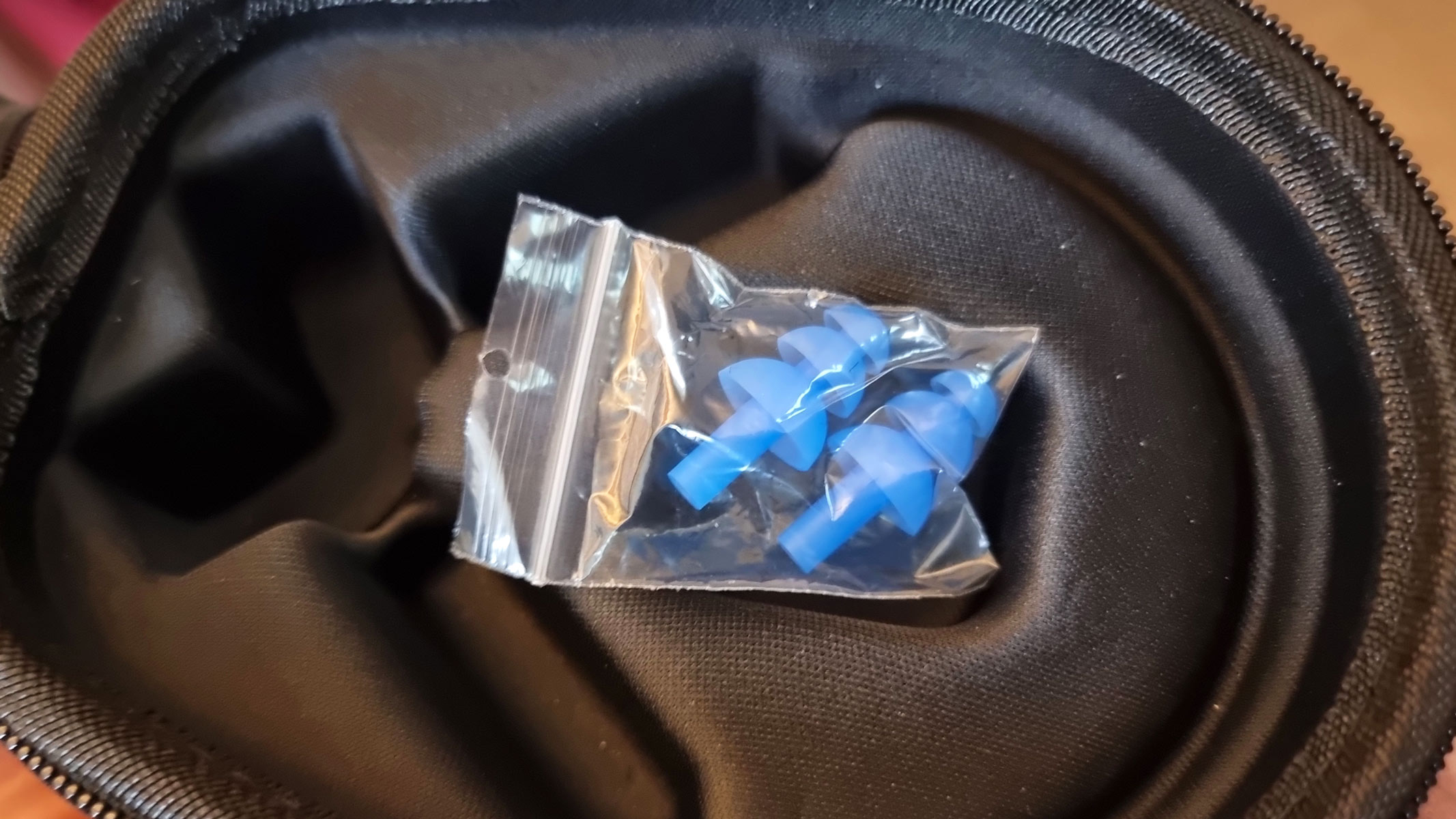
✅ You want a solid all-rounder: They will keep up with your active lifestyle, whether you are in the gym, on the running track or in the swimming pool.
✅ You are a triathlete or competitive swimmer: They can be submerged up to 12 feet (3.6 meters) underwater for an unlimited amount of time.
Don’t buy if
❌ You need more than 8 GB of internal storage: Consider the Shokz OpenSwim Pro instead (32 GB).
❌ You want them to last all day: They last only 6 to 9 hours on a single charge.
The bottom line
🔎 H20 Audio Tri 2 Pro: Durable, secure-fitting and highly waterproof, these bone conduction headphones are a swimmer’s dream. However, their battery life did not impress and they are not particularly budget-friendly. ★★★★
All of the earbuds mentioned above are great in their own right, but none of them are suitable for water sports. If you want to listen to your favorite tunes when doing laps in a pool, competing in a triathlon or kayaking in rough water, you need bone conduction headphones with a solid waterproof rating — ideally, IPX7, IPX8, IP67 or IP68. The best models come with a durable frame, adjustable fit and decent internal storage (Bluetooth does not work underwater so all of your music, ebooks and podcasts need to be downloaded onto the headset in advance.)
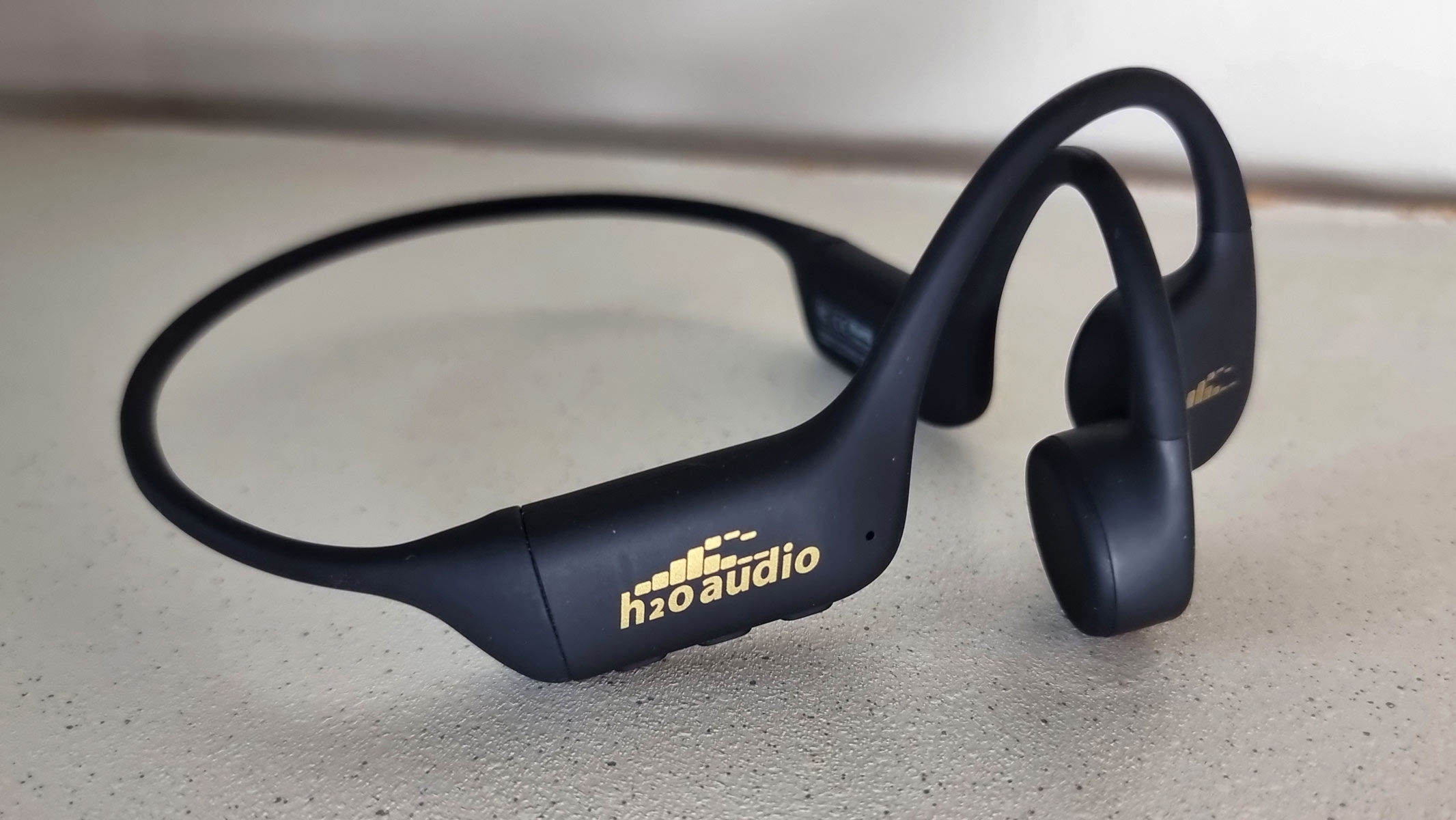
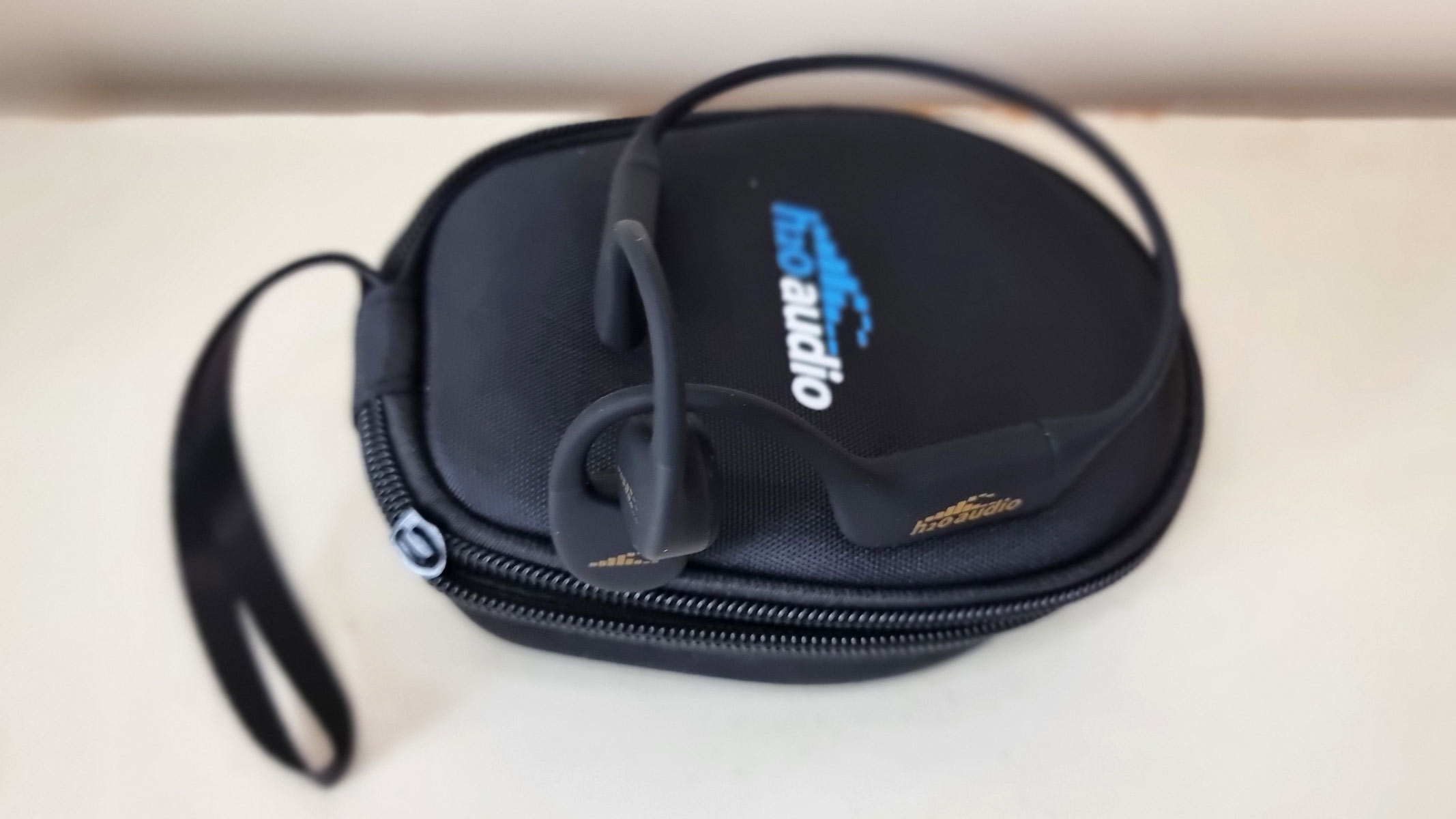
The H20 Audio Tri 2 Pro are one of those top picks. What sets these headphones apart from other waterproof models is that they are rated beyond IPX8, meaning they can be used up to 12 feet or 3.6 meters underwater for an unlimited amount of time. They also come with unique playlist-building features, swimming plugs and a hard traveling case. Plus, they have 8 GB of internal storage — equivalent to around 2,000 songs or 35 full-length audiobooks.
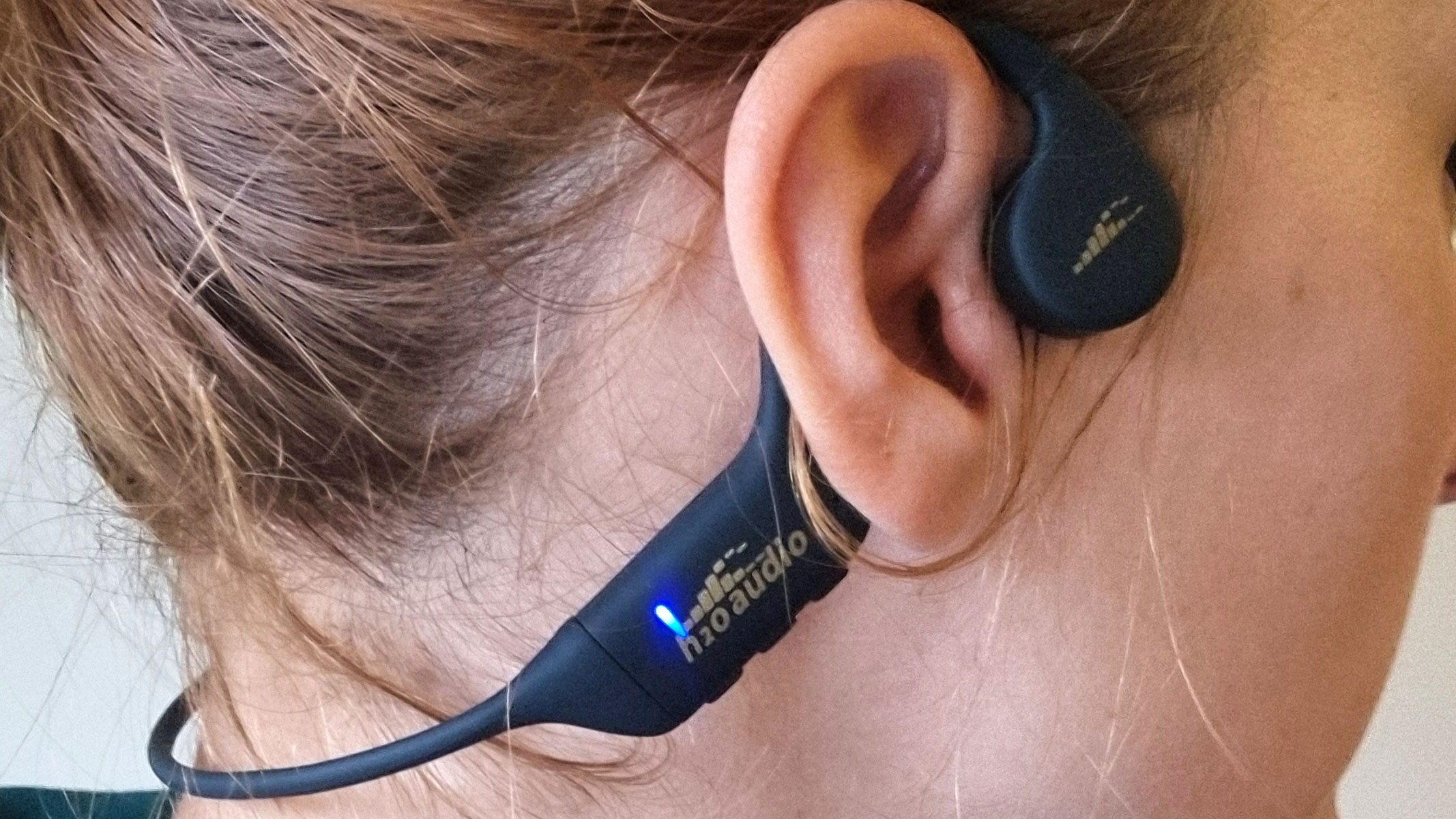
We found the H20 Audio Tri 2 Pro quite reliable and comfortable to wear. The fit is snug and secure, but not overbearing or difficult to adjust, and we had no issues with muffled sound or the headset sliding off underwater. True, these headphones can produce some slight skull vibrations when listening to bass-heavy music, but that is something we observed with most of the bone conduction models we have tested.
The downsides? Priced at around $199.99, the H20 Audio Tri 2 Pro are pretty expensive for bone conduction headphones. Short battery life is another — up to 6 hours in memory mode, playing the songs stored on the headset, or up to 9 hours in Bluetooth mode. If you are looking for headphones to take on multi-day camping trips or sporting events, they may not be the best option for you.
Best sports earbuds: Comparison
|
Model |
Battery life |
Water resistance |
Weight |
Connection |
ANC |
Smart features |
|---|---|---|---|---|---|---|
|
CMF by Nothing Buds Pro 2 |
10 hours (43 hours with a case) |
IP55 |
0.17 oz (4.9g) per earbud |
Bluetooth 5.3 |
Yes |
Nothing X app |
|
Beats Powerbeats Fit |
7 hours (30 hours with a case) |
IPX4 |
0.2 oz (5.7g) per earbud |
Bluetooth 5.3 |
Yes |
Beats app |
|
Raycon Impact |
12 hours (90 hours with a case) |
IP67 |
0.2 oz (5.7g) per earbud |
Bluetooth 5.3 |
Yes |
None |
|
Shokz OpenRun Pro 2 |
12 hours |
IP55 |
1.06 oz (30.3g) |
Bluetooth 5.3 |
N/A |
Shokz app |
|
Shokz OpenFit Pro |
12 hours (50 hours with a case) |
IP55 |
0.43 oz (12.3g) per earbud |
Bluetooth 6.1 |
Yes |
Shokz app |
|
H20 Audio Tri 2 Pro |
9 hours (6 hours in memory mode) |
IPX8 |
1.12 oz (31.75g) |
Bluetooth 5.3 |
N/A |
H20 Audio Pro |
Best sports earbuds: Contributing experts and product testers


Anna Gora is an experienced health writer, certified personal trainer and nutritionist. She holds a Bachelor’s degree in Nutrition from the Warsaw University of Life Sciences, a Master’s degree in Nutrition, Physical Activity & Public Health from the University of Bristol, as well as various health coaching certificates. Anna is a lifelong fitness enthusiast and music lover, and rarely leaves the house without her trusted earbuds. She has personally tried and tested most of the products mentioned in this guide.

Helen Wells is a psychotherapist and clinical director at The Dawn Rehab & Wellness Centre in Chiang Mai, Thailand. She is a certified trauma professional, accredited crisis support worker and member of the Psychotherapy and Counselling Federation of Australia (PACFA). For this piece, Helen discussed the potential benefits of listening to music during a workout.

Jason Smith is a London-based personal trainer, nutritional advisor and the founder of Fit in Midlife, an online fitness coaching service for middle-aged adults. He has been featured on the cover of Men’s Fitness magazine and has more than half a million followers on social media. For this piece, Jason shared his tips for choosing the best earbuds.

Lesley Parkinson is a clinical psychologist with over 46 years of professional experience and a leading advocate of Alpha-Stim, a brain stimulation device that has been shown to help ease anxiety and reduce pain. She specializes in neuroimaging, brain traumas, dementia and attention deficit disorders. Lesley told Live Science how music affects the nervous system and how it can influence our exercise performance.


Monty Simmons is a certified personal trainer based in London, U.K. He holds a first-class MSc degree in biomechanics from St. Mary’s University, as well as certifications in fitness coaching, nutrition coaching, pain management and behavior change. In this piece, Monty discussed the best types of music to listen to during exercise and which features to prioritize when choosing sports earbuds.

Bailyn Fields is a health education specialist at Boomer Benefits, a health insurance agency in Fort Worth, Texas. She helps service users get a better understanding of complex healthcare information related to preventative care. Bailyn told Live Science how exercising with earbuds affects ear health and advised on how to use them correctly.

Urja Desai Thakore is a highly experienced Kathak dancer and the founder, artistic director and CEO of Pagrav Dance Company in Edgware, U.K. She completed her BA in Kathak from Akhil Bharatiya Gandharva Maha Vidyalaya music college in Navi Mumbai, India, and holds an MA degree in South Asian Dance with Choreography from Roehampton University. Urja shared with Live Science her insights on dancing as a form of exercise.
Best sports earbuds: Frequently Asked Questions
Is it safe to wear earbuds while working out?
Yes, it is generally safe to wear sports earbuds while working out, provided they are sweat-resistant (IPX4 rating at minimum — you can read more about waterproof ratings below), secure-fitting (so they pose no distractions during exercise and firmly hold on to your ears during rapid body movements) and allow for situational awareness (when you can hear what is going on around you — for example, when they come with transparency mode, a headphone feature that uses built-in microphones to pick up ambient environmental sounds and feed them back into your ears in real-time).
For outdoor activities such as hiking, running or cycling, it is generally safer to ditch noise-blocking earbuds in favor of air and bone conduction headphones. These models come with an open-ear design that allows you to hear the oncoming traffic, wild animals and other people on your path.
What do waterproof ratings mean, and how to choose the right one?
Choosing the right level of waterproofness is crucial to ensure that your headphones remain functional and comfortable no matter what workouts you want to put them through. If you are an outdoor lover, for example, you need a model that can withstand dust, heavy rainfall or an accidental fall into a mountain creek. Gym-goers and home exercisers, on the other hand, may easily get away with something less waterproof.
Most earbuds and headphones that are designed for sporting activities will clearly state they are sweat-resistant and/or dust- and waterproof. If you are unsure, check their IP (Ingress Protection) ratings. They usually appear as “IP” or “IPX” followed by a number. Usually, the higher the number, the higher the protection.
For example, an IPX4 rating means resistance to splashes from any direction (making it safe for intense, sweaty workouts), while IPX7 indicates that the headphones can be safely submerged in up to a meter underwater for 30 minutes (making them more suitable for swimming pools, for example.) The IP55 or IP65 ratings, on the other hand, mean resistance to both dust ingress and water jets.

Do sports earbuds cause damage to your ears?
The main risks associated with wearing earbuds during exercise are noise-induced hearing loss and moisture irritation. Prolonged exposure to sweat and friction can also significantly raise the risk of bacterial ear infections, Bailyn Fields, a health education specialist at Boomer Benefits, a health insurance agency in Fort Worth, Texas, told Live Science. However, these risks can be easily managed with the right hygiene routine, she said.
As a general rule, do not share your earbuds and, if possible, replace the eartips regularly.
“Keep volume near the middle instead of cranking it up to the maximum, wipe your earbuds after workouts, and wash and gently dry the outer ears,” Fields said.
Can listening to music while working out improve my exercise performance?
Our experts agree — listening to music during a workout can make the exercise feel easier,more enjoyable and, in certain cases, more efficient. Sound can have a significant impact on how your nervous system functions during a workout.
Most notably, music can help lower your perceived exertion (a subjective measure of exercise intensity based on how hard you feel your body is working), Helen Wells, a psychotherapist and clinical director at The Dawn Rehab & Wellness Centre in Chiang Mai, Thailand, told Live Science by email. “Sensory inputs can regulate or dysregulate the nervous system, and music is one of the most powerful of them. When you are focused on rhythm, lyrics, or familiarity, you are paying less attention to internal signals like burning muscles, breathlessness, or fatigue,” Wells explained.
Exercising to music can also help iboost your mood and increase your motivation to move, Dr Lesley Parkinson, a clinical psychologist based in London, U.K., told Live Science. That is because it triggers the release of the neurotransmitter dopamine in the brain’s reward system, and dopamine is known for inducing feelings of pleasure and reducing anxiety.
Music also activates memory, stimulates multiple parts of the brain at the same time, and can help with pain management and physical rehabilitation — especially when you exercise with other people. “It fosters social bonding and communication, so it is very significant in promoting social well-being,” Parkinson said.
Moreover, music can help make your exercise routine more efficient, Monty Simmons, a London-based personal trainer, told Live Science by email. “Rhythm matters. Moving to a beat improves timing, coordination and pacing. That’s especially important in cyclical work like running, cycling, rowing or swimming, where a steady rhythm helps regulate stride or cadence,” Simmons said.
In some cases, music can even help you increase the intensity of your training. “Depending on the music, it can also increase arousal, which is useful when you need to ramp up your nervous system for strength or high-intensity work,” Simmons said.
Does dancing count as exercise?
Yes, dancing counts as a workout. It is a very beginner-friendly form of exercise that comes with unique benefits. For example, dance can be a huge confidence builder and a great stepping stone to more intense or technically advanced activities (weightlifting or HIIT classes, for example).
“Music gives people something to lean into — a rhythm to follow, a mood to enter, a shared pulse that helps the mind slow down and the body soften,” Urja Desai Thakore, the founder, artistic director and CEO of Pagrav Dance Company in Edgware, U.K., told Live Science by email. “Moving together to music can lift spirits, reduce feelings of isolation and create a quiet sense of connection — both to oneself and to others in the room. This can make movement feel lighter and more natural, especially for people who might feel intimidated by traditional exercise spaces,” Thakore said.
Does listening to music while working out impact everyone in the same way?
No, music does not affect everyone in the same way. “For some, music helps regulate mood, ease anxious thoughts or create a sense of rhythm and grounding. For others, particularly those who feel overstimulated or dissociated, music can become too distracting or even overwhelming. People with anxiety, depression, trauma histories, or high sensory sensitivity often respond differently to stimulation,” Wells said.

What types of music should I listen to during a workout?
Some types of music tend to support exercise performance more effectively than others, but it is less about the genre or rhythm and more about how the music interacts with your nervous system, Wells said. Music that feels empowering or uplifting can boost dopamine and help people push through challenges more easily, but that means different things to different people, she said.
That said, some types of music tend to perform better than others. For fast-paced cardio, for example, experts recommend music at roughly 120 to 160 beats per minute (BPM.) “That tempo helps you lock into rhythm and maintain cadence,” Simmons said. “For endurance work, on the other hand, something slightly steadier and more melodic can help maintain pacing without burning out.”
Best sports earbuds: How to choose

Choosing the right sports earbuds is less about impeccable sound and more about finding a reliable workout partner. You want something that complements and enhances your active lifestyle, not actively impedes it. Prioritize comfort, safety and functionality — everything else is secondary. Most importantly, always opt for a wireless headset. Cables get in the way, snag on equipment and can even become a choking hazard, our experts agreed.
A good fit is another critical factor, Jason Smith, a London-based personal trainer and nutritional advisor and the founder of Fit in Midlife, an online fitness coaching service for middle-aged adults, told Live Science by email. “All too often, I see people trying to retrieve earbuds from underneath a treadmill or similar as they fall out through a mixture of sweat and impact. It is essential to find a pair that feels snug but comfortable to wear,” Smith said.
Ideally, look for designs that include some form of ear hook, wingtip or silicone stabilizers. These accessories latch into the folds of your ear to create a secure, locked-in feel and prevent frustrating mid-workout adjustments. If there are none, find the right fit by trying on all the ear tip sizes included in the package — most sports earbuds come with at least three.
Next, consider the right level of waterproofness. As we mentioned before, all sports earbuds should be sweatproof at the very least — this means they are rated IPX4 and higher. If you tend to train outdoors in rainy conditions, aim for at least IPX7. The right waterproof rating is not just crucial for the longevity of your earbuds, but also a big factor for personal comfort. “Foam-covered buds or overhead earphones with no sweat protection will end up dripping with sweat and stink long after your workout is complete,” Smith said.
Look into the sound settings of your earbuds, too — particularly whether they offer Active Noise Cancellation (ANC) and transparency modes. “Many gyms have loud pumping music. If you would rather listen to calming music, a podcast or audiobook, it is best to block out the bass,” Smith said. Transparency mode, on the other hand, comes in handy when it comes to your safety and situational awareness, as this feature allows you to hear the world around you without having to remove an earbud or interrupt your workout.
“Ambient awareness is critical for outdoor training. If you’re running or cycling on roads, you must be able to hear traffic. Avoid full noise-cancelling in those situations,” Simmons said.
Lastly, the sound quality. While this aspect is highly personal — we are big fans of bass-heavy earbuds, for example, while others may prefer something more balanced — some models tend to perform better than others. If you are unsure whether the sound quality of the earbuds you are considering is good enough, browse through their online reviews to get a sense of the general user feedback.
What about looks? Yes, aesthetics matter, though understandably not to the same extent as the factors we discussed above. “If you feel good wearing your earbuds, that counts. You want to feel confident when you train,” Simmons said.
Best sports earbuds: How we tested
Image 1 of 5
We love music and we are passionate about fitness — we basically live in sports earbuds. We must have tried dozens, if not hundreds, of different models throughout our lifetime, and we are always on the lookout for the next best thing. We know which products are worth the hype, and we would not recommend anything we would not happily use ourselves.
That said, we all have different ear shapes, preferred sports, hearing sensitivities and ideas as to what constitutes good quality sound, and we need to account for that if we want to stay balanced and objective. As such, each and every model in this guide was assessed according to the same three criteria:
Design. We look into the fit, waterproofness and durability of the earbuds in question. We also check how customizable they are (for example, how many ear tip sizes they come with) and whether they are sufficiently comfortable to wear and secure-fitting during intense workouts. Plus, we note if they came with any useful accessories, such as a charging case or swimming buds in the case of waterproof bone conduction headphones.
Features: We look into the overall functionality of the tested earbuds. We check their volume range, sound customization settings (the ANC and transparency modes, for example) and, if applicable, app-based features (a sound equalizer, for example).
Performance: We assess their sound quality, Bluetooth connectivity and battery life, and test the effectiveness and clarity of their ANC and transparency modes. This is also where we give our verdict on the overall user experience.
Finally, we weigh these factors against the price of the earbuds in question, and give a final score out of five.