





The best beginner telescopes need to strike the perfect balance between being user-friendly and affordable, yet still good enough to avoid being a waste of time, money and effort. There’s no point buying a cheap telescope only to end up using it once and then immediately wanting to upgrade, but with many “mega-cheap” unbranded scopes, that’s what tends to happen.
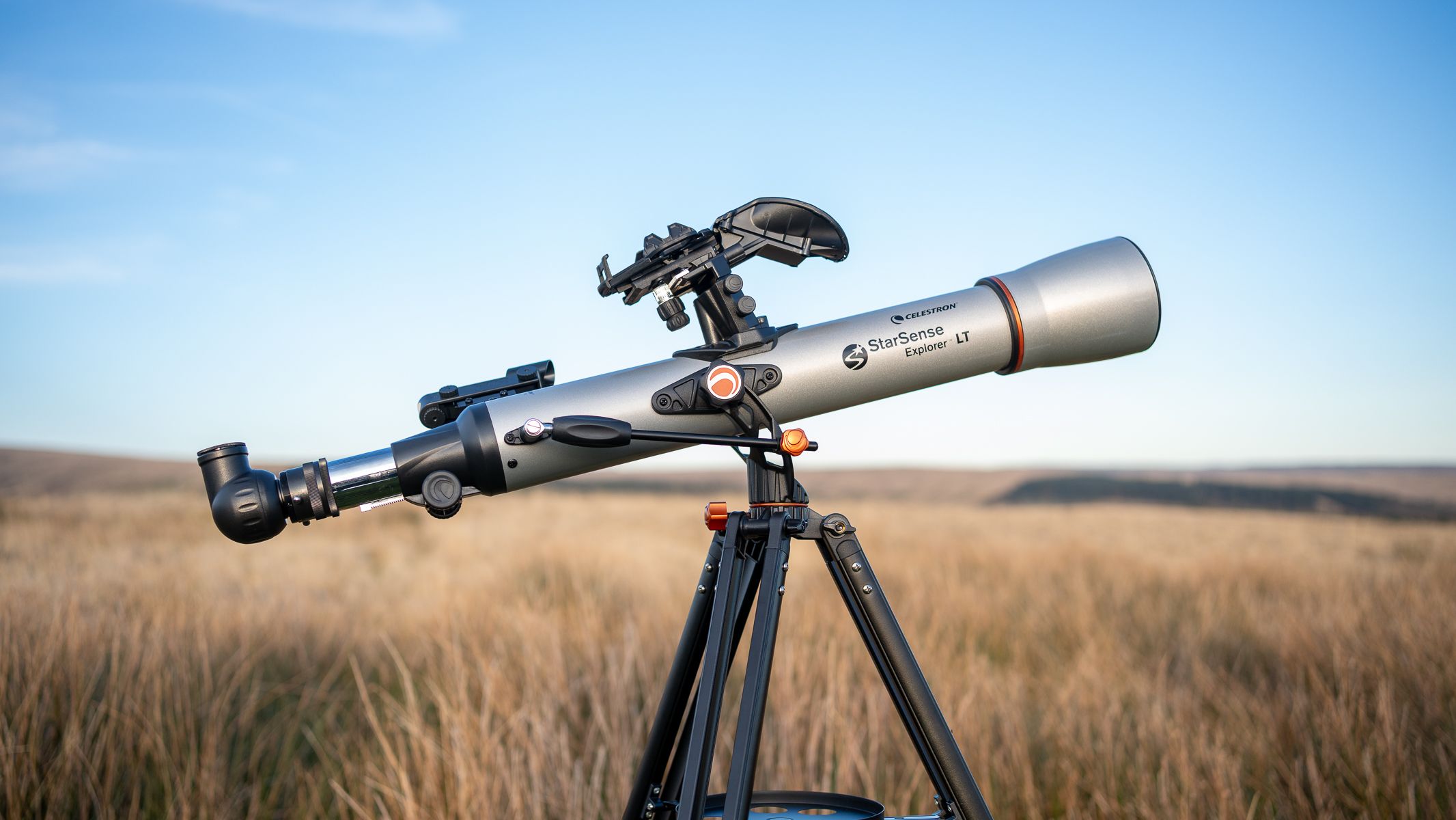
For new astronomers, keen youngsters and anyone on a budget, Celestron has some really great small telescopes that fit the bill perfectly. In this review, we’ll be looking at the Celestron StarSense Explorer LT 70AZ — the smallest scope in the StarSense range.
It’s easy to set up, lightweight and portable, and we were impressed with the optics for such a small and affordable telescope. Its main party trick is the StarSense app integration, which is perfect for anyone who doesn’t have any prior knowledge of the night sky. The 70AZ is great for the moon, some planets and brighter targets, but needless to say, you’ll be needing one of the very best telescopes if you want to do any deep-sky viewing. Still, it makes a wonderful telescope for kids or anyone new to the hobby.
Celestron StarSense Explorer LT 70AZ: Design
Image 1 of 4

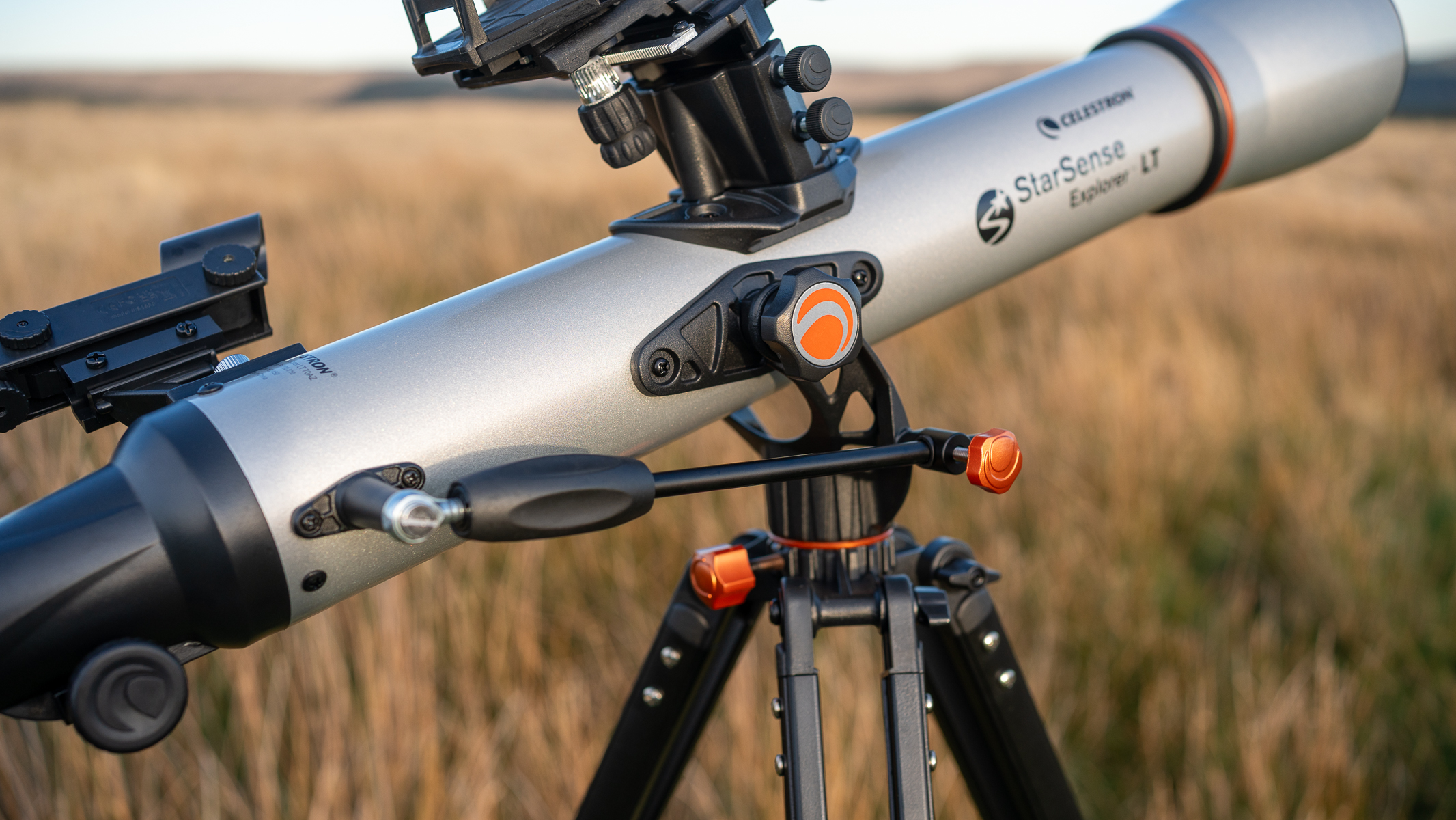
- Easy to set up
- Good quality build
- Comes with two eyepieces and a Barlow lens
The Celestron StarSense Explorer LT 70AZ is the smallest telescope in the StarSense Explorer range, with a compact, lightweight construction that still feels like you’re peering through something substantial. The optical tube itself, alongside the tripod, accessory tray and accessories, are all excellent quality for an entry-level scope — especially compared to equivalent scopes in the PowerSeeker and AstroMaster ranges that we were testing alongside it. However, that’s not to say you won’t want to upgrade them in time.
Key specifications:
Optical design: Refractor
Mount type: Manual alt-azimuth
Aperture: 2.76 inches (70 mm)
Included eyepieces: 20 mm (28x), 10 mm (70x), 2x Barlow lens
Focal length: 700 mm
Highest useful magnification: 165x
Focal ratio: f/10
Limiting stellar magnitude: 11.7
Total kit weight: 7.4 lbs (3.35 kg)
The setup process is easy for new users to understand, especially with the printed instructions included in the package, and we were able to get it set up and start observing in no time. The aluminum tripod can extend up to 52 inches (including the mount), which we felt was a good height for most users, but we found it a little annoying that the eyepieces wouldn’t fit in the holes in the accessory tray while still in their protective cases. It’s a small detail, but we’d have liked to keep the eyepieces protected while we were using the scope.
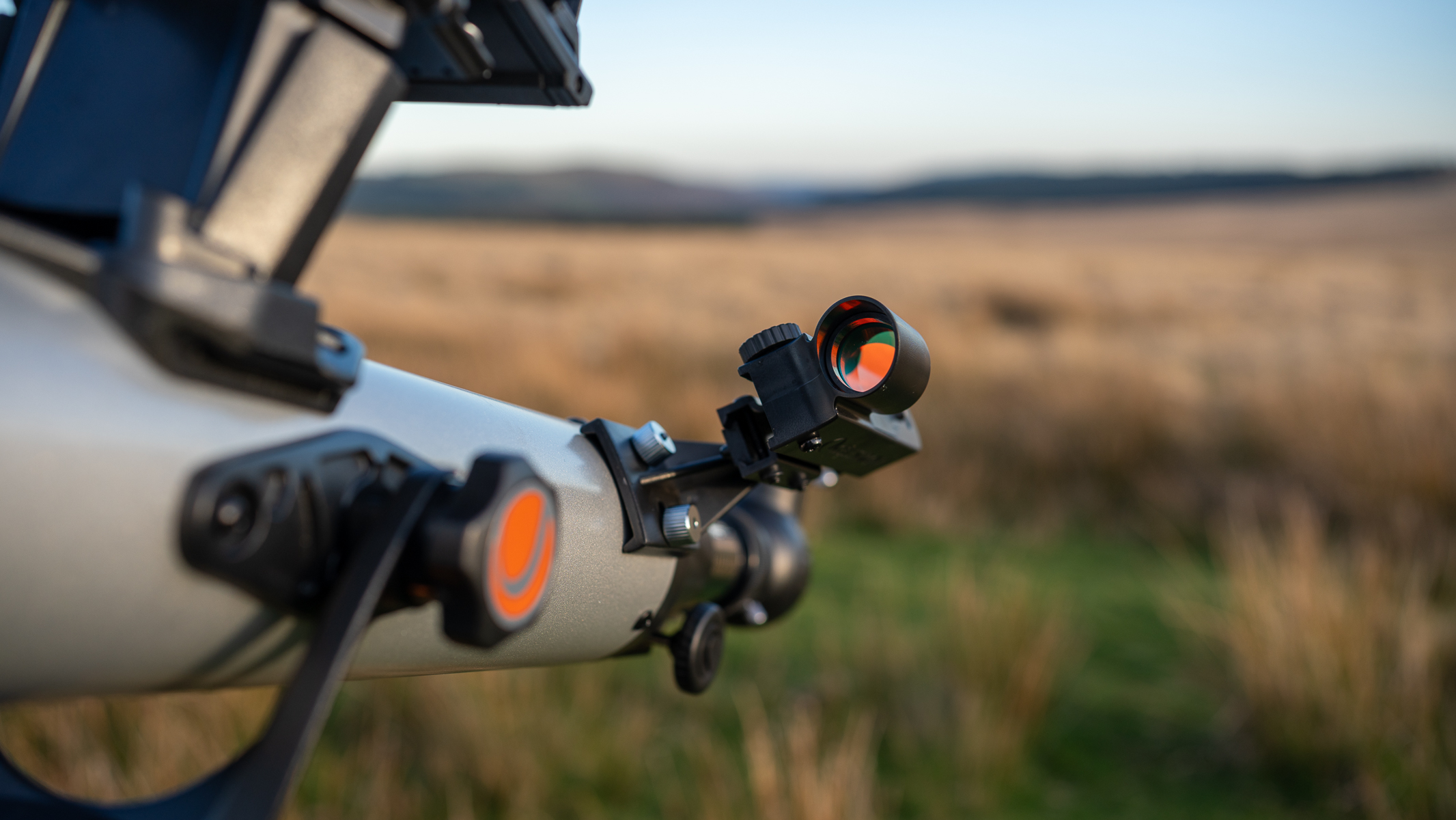
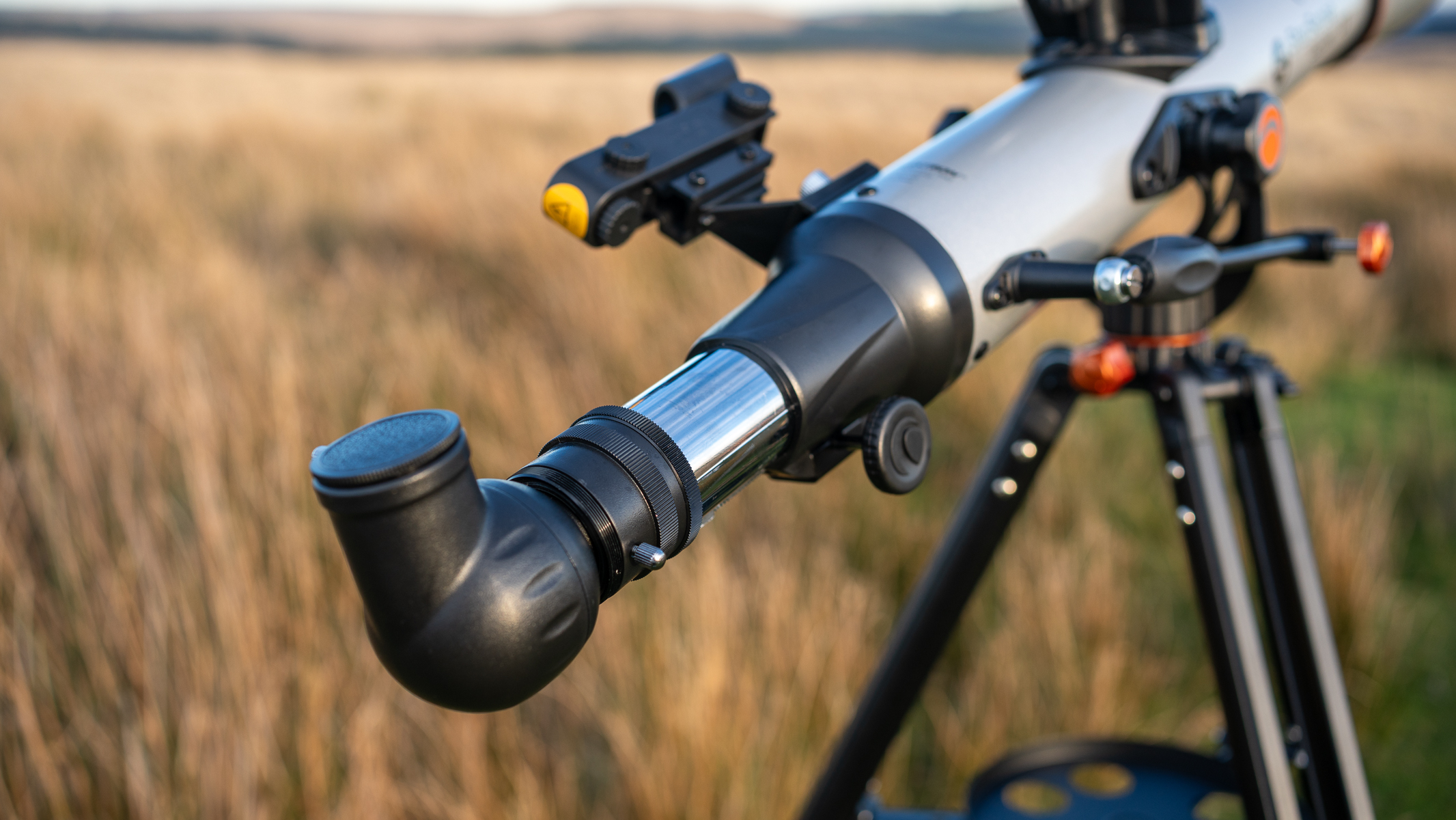
It comes with a red-dot finderscope, an erect image diagonal, two eyepieces (10 mm and 25 mm) and a 2x Barlow lens, alongside the StarSense smartphone dock. To get the best views, we ended up using upgraded eyepieces from the Celestron eyepiece and filter kit, so if you want a simple and affordable way to improve the quality of the views, we’d recommend investing in some better eyepieces.
Celestron StarSense Explorer LT 70AZ: Performance
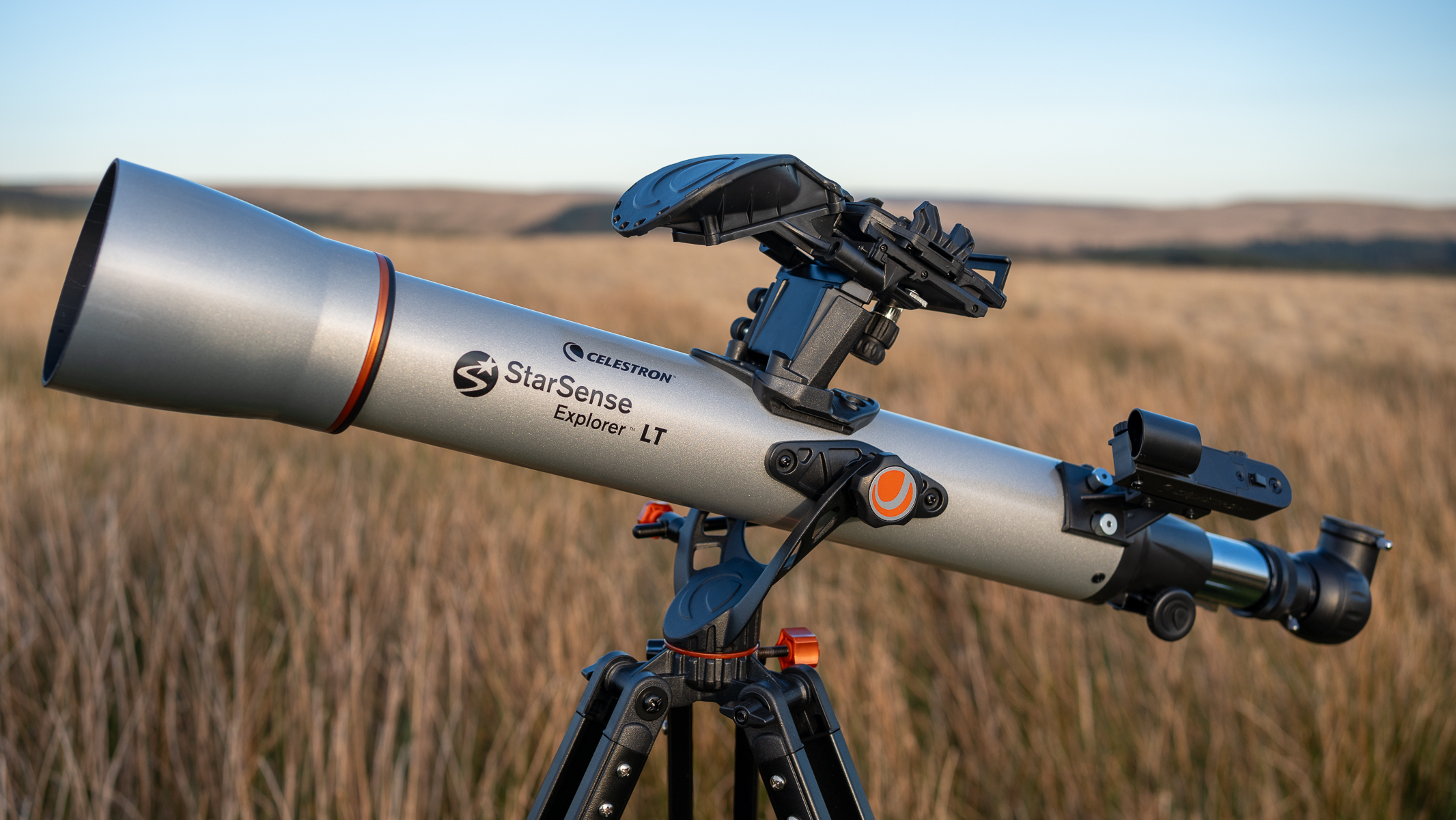
The smallest telescope in the StarSense Explorer range, yet it still gave us beautiful views of the moon and planets.
(Image credit: Kimberley Lane)
- Beautiful lunar views
- We spotted the bands on Jupiter and its moons
- Limited for deep-sky viewing
This isn’t a “see everything” telescope; it’s a “see the highlights clearly” telescope. By far the best thing to look at is the moon, particularly with the 10 mm eyepiece and 2x Barlow lens. We were easily able to observe the craters and shadows on the lunar surface, and we thoroughly enjoyed our sessions gazing at the moon.
Get the world’s most fascinating discoveries delivered straight to your inbox.
We were also able to distinguish the bands on Jupiter — although they were quite faint — and we could easily spot three of the four Galilean moons (the fourth was hiding behind the gas giant). Saturn was too low in the sky for us to see before dark, but this telescope should be perfectly capable of showing its rings.
The Pleiades were stunning, as expected, and we were able to make out the Orion Nebula and Andromeda Galaxy — but realistically, at this aperture, you’re unlikely to see much further afield.
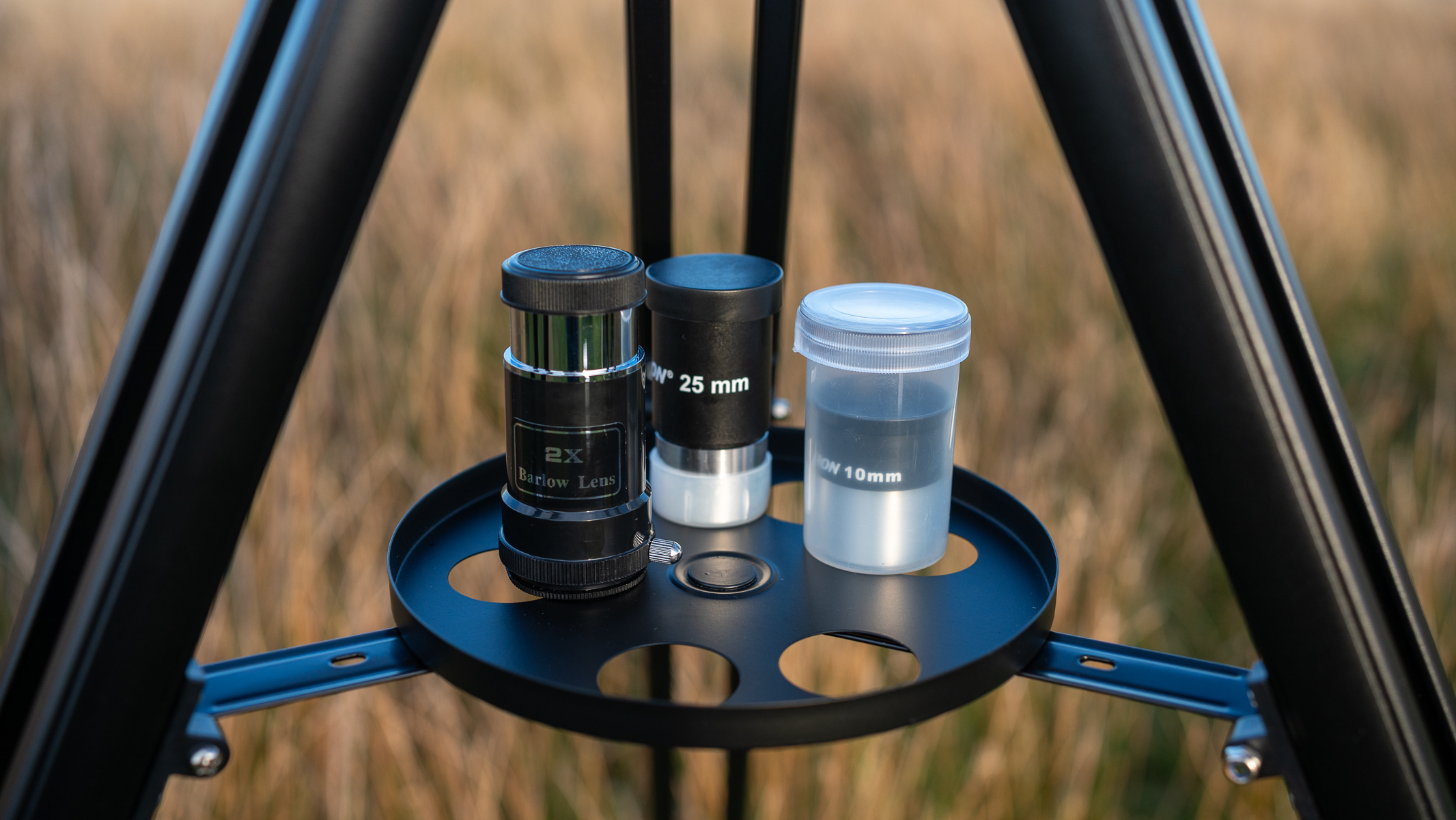
It comes with two eyepieces and a 2x Barlow lens
(Image credit: Kimberley Lane)
It covers a good magnification range for a beginner scope, with the 20 mm eyepiece giving you 28x power, upgradable to 70x with the 10 mm eyepiece — and even more with the Barlow, which takes you closer to the highest useful magnification of 165x power.
The manual tracking means objects drift out of view quickly, especially when using a high-power eyepiece. While the manual alt-azimuth mount is advantageous for its quick set-up and user-friendliness, this is where you see its drawbacks. We did notice some drooping, particularly when we were viewing Jupiter at a very high altitude, and there was some wobbling when focusing, but once it settled, the views were sharp and clear.
Celestron StarSense Explorer LT 70AZ: Functionality
Image 1 of 3

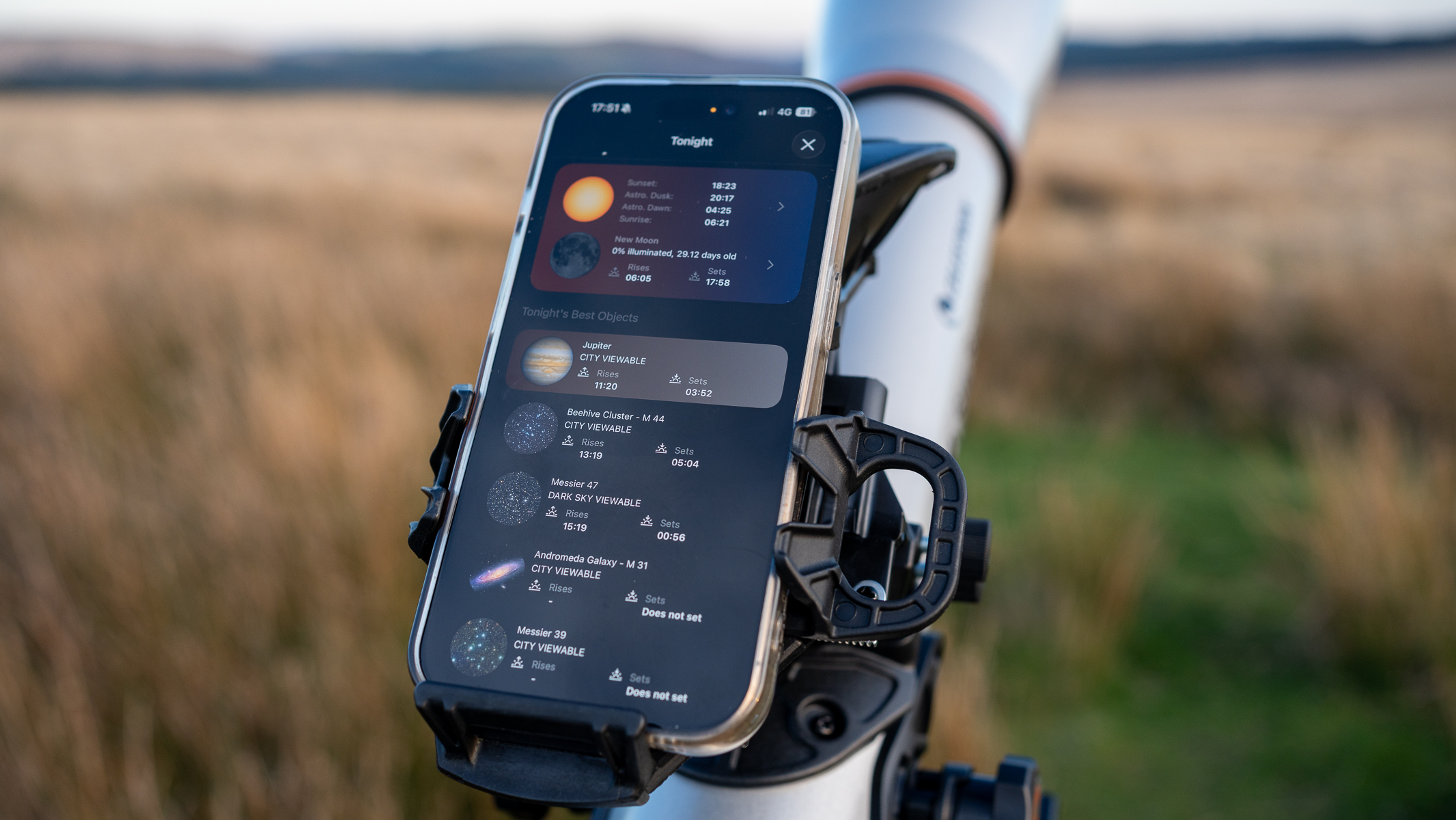
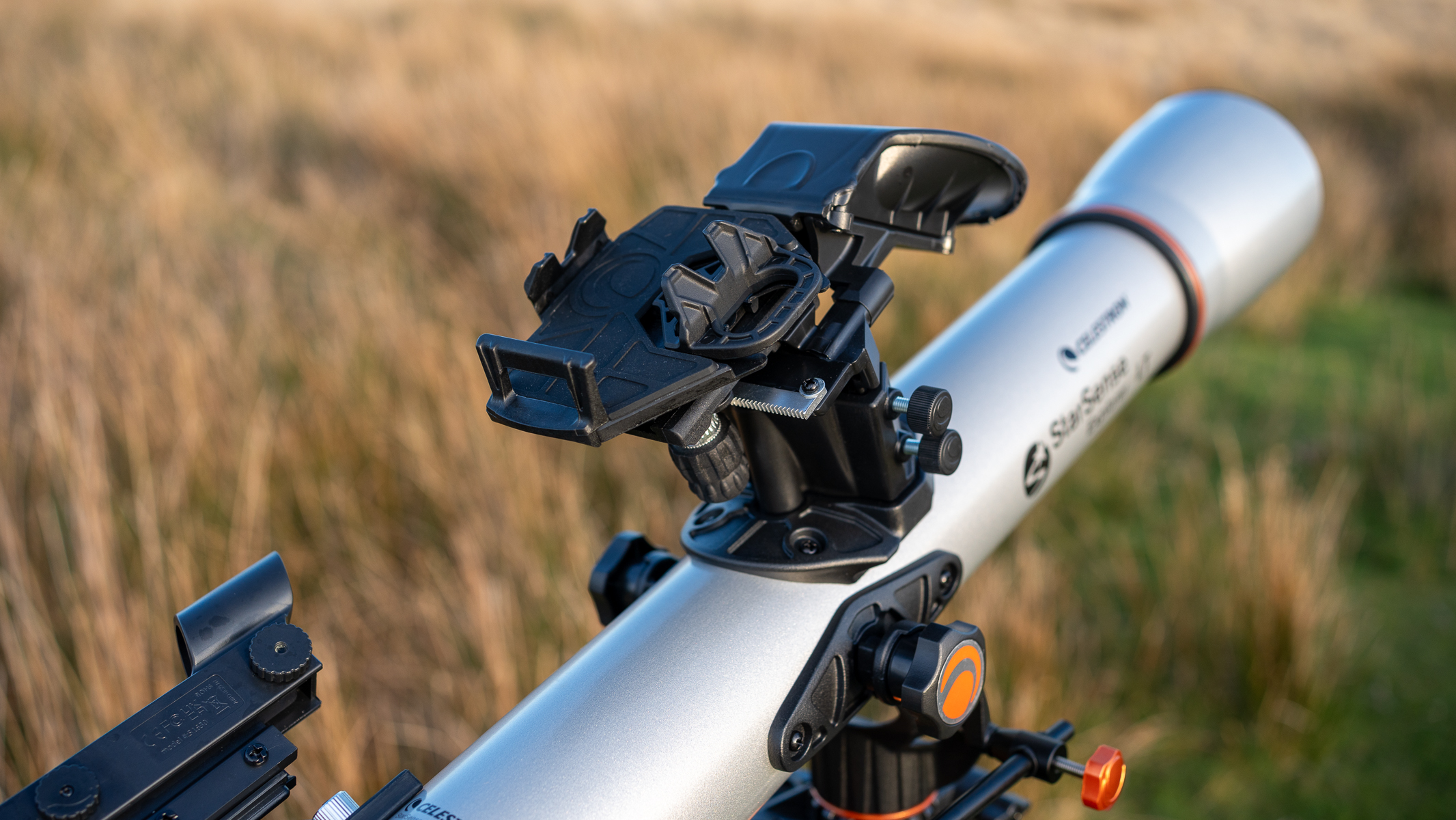
- StarSense app guides you to specific objects
- No prior knowledge of the night sky needed
- Easy focusing of objects
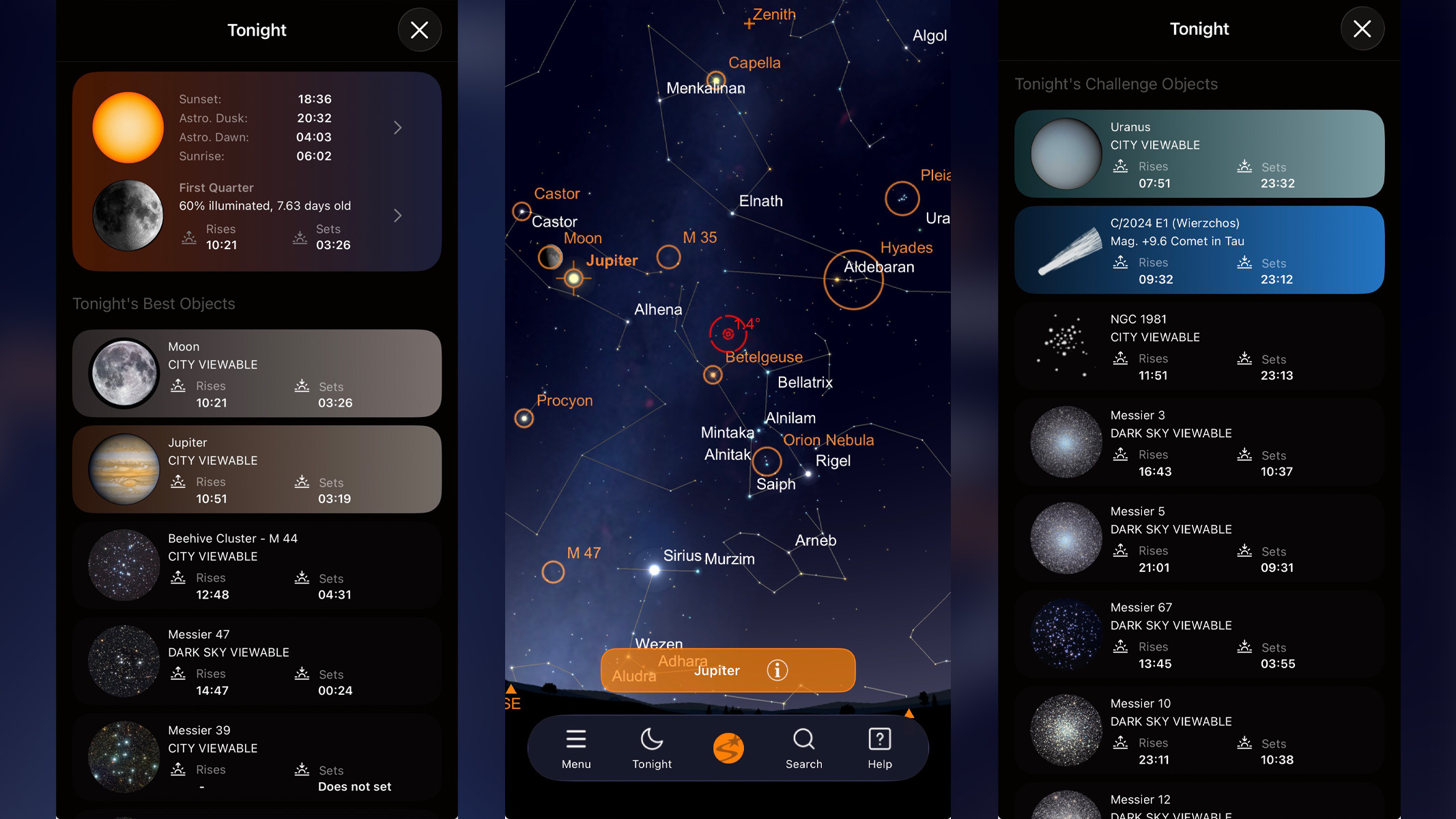
The biggest selling point of the StarSense Explorer range is the StarSense app functionality. Once connected, you pick an object from “Tonight’s Best Objects,” and you’ll see arrows on the screen guiding you to where the object is located.
This is an attractive feature for beginners and kids, as it takes away half the battle of knowing where certain objects are in the sky. We found it to be mostly accurate — it’s not perfect by any means, but it got us in the right area and we were easily able to locate the object from there. Once we located our subject with the 20 mm eyepiece, focusing was smooth and easy for us to then switch to the 10 mm for a closer look.
The app requires the latest version of iOS in order to download, so make sure you download it before you head out to use it (we found this out the hard way). It’s also compatible with Android users. The app tells you which objects are best to view depending on your location, and it shows whether they are city-viewable, and the rising and setting times for each object. Further down, it shows “challenge” objects that you might see under dark sky conditions, which is a nice touch if you live close to a dark sky reserve (though it doesn’t say what Bortle class you’d need to be in).
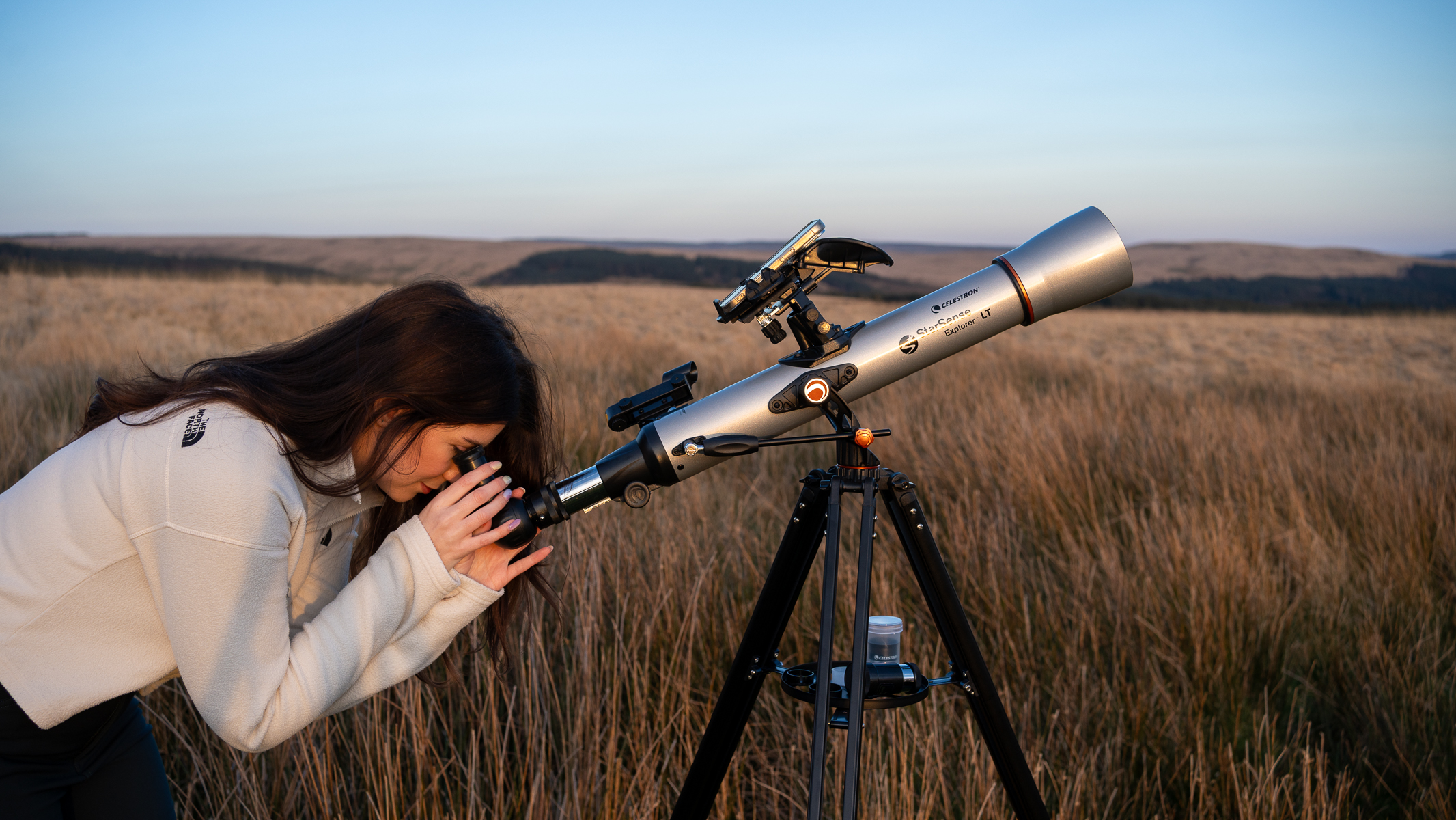
We tested the telescope in a dark sky reserve in South Wales, UK.
(Image credit: Kimberley Lane)
There’s also a search function, where objects are separated into different categories depending on what type of object you want to view (planets, brightest stars, Messier objects and more). And the good thing is that you don’t have to use the app if you don’t want to — unlike more expensive smart telescopes.
The app tells you which objects are best to view depending on your location, and it shows whether they are city-viewable, and the rising and setting times for each object. Further down, it shows “challenge” objects that you might see under dark sky conditions, which is a nice touch if you live close to a dark sky reserve (though it doesn’t say what Bortle class you’d need to be in).
There’s also a search function, where objects are separated into different categories depending on what type of object you want to view (planets, brightest stars, Messier objects and more). And the good thing is that you don’t have to use the app if you don’t want to — unlike more expensive smart telescopes.
Should you buy the Celestron StarSense Explorer LT 70AZ?
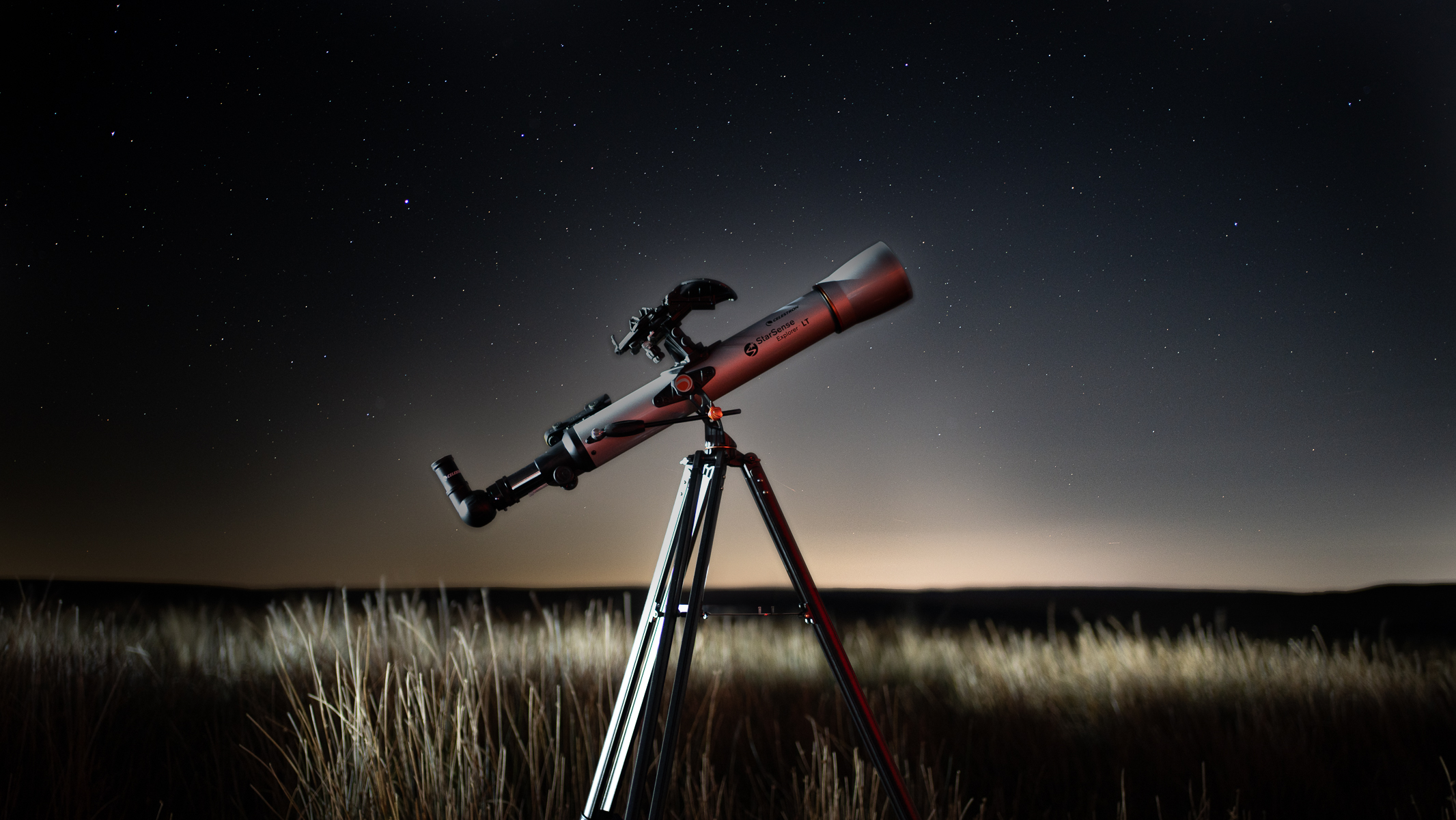
We saw the bands on Jupiter, the moon’s craters and some bright deep-sky objects.
(Image credit: Kimberley Lane)
Overall, it’s a very user-friendly scope for beginners to sink their teeth into, and it doesn’t feel like the kind of telescope you’d only use a few times and then get bored with. We found it easy to locate objects and obtain a good focus, the views were impressive, and the whole experience felt very intuitive — which is exactly what you want from a beginner telescope.
It’s compact and lightweight, although you could still go a step further with this class of telescope. It’s at the top end of Celestron’s beginner range, being by far the best entry-level model of the three we tried. But if you are looking for a step-up from your existing telescope, we’d recommend going for one of the larger aperture models in the range for brighter views and to potentially see more deep-sky objects. Its limited deep-sky viewing isn’t a flaw, just a limitation of a telescope of this aperture. But for the price, you absolutely cannot go wrong with the Celestron StarSense Explorer LT 70AZ.
If the Celestron StarSense Explorer LT 70AZ isn’t right for you

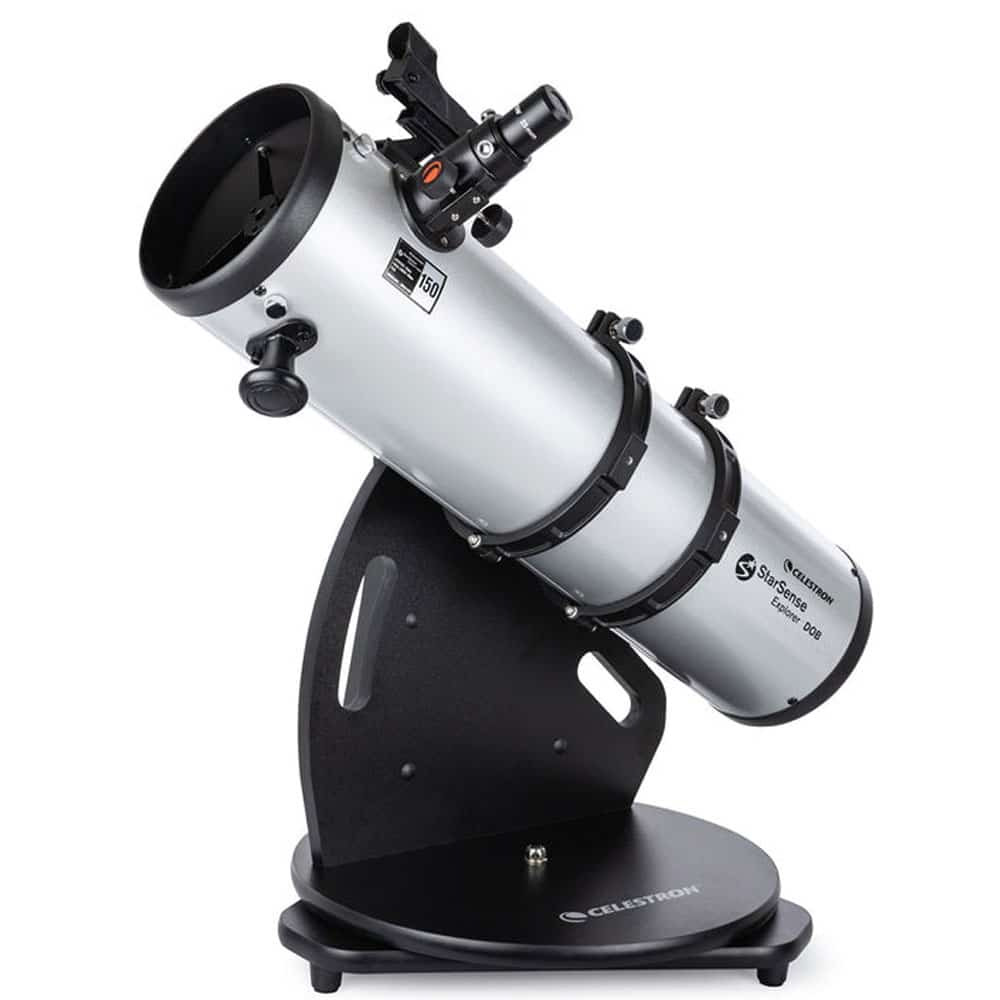
Celestron StarSense Explorer 150mm Dobsonian
For visual deep-sky observation, this 6-inch tabletop Dobsonian is the perfect entry point.
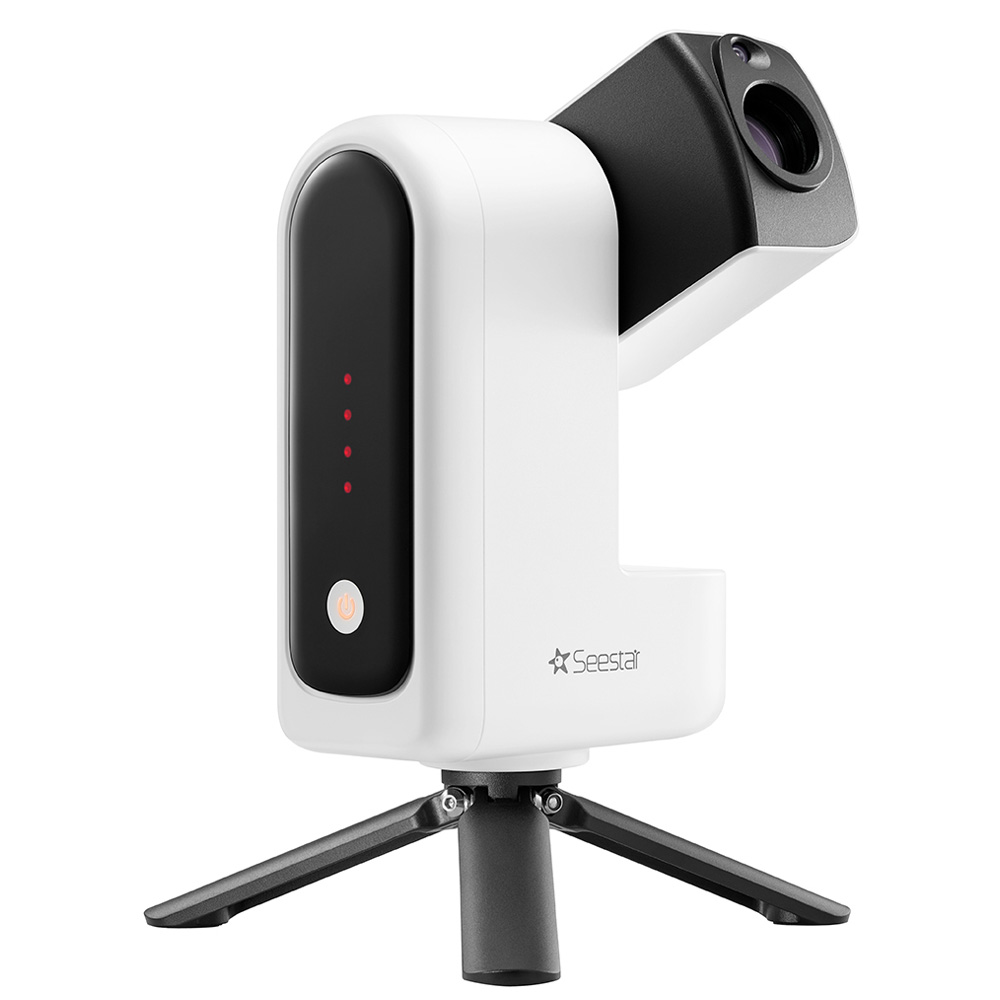
The ZWO SeeStar S30 Pro offers a quick and easy way to photograph the moon and deep-space objects without the fuss of mounting your camera to a telescope.

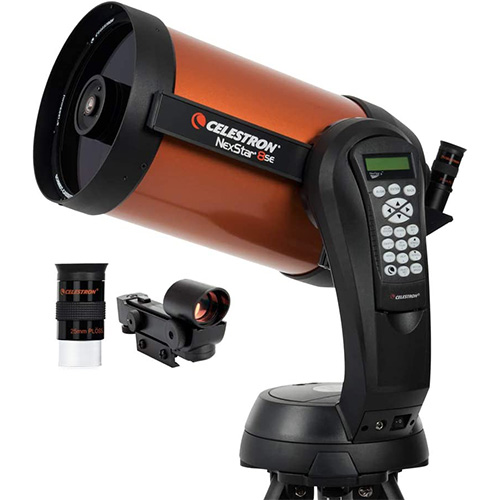
The Celestron NexStar 8SE has long been considered the world’s favorite telescope, and if you can afford it, you won’t be disappointed.
Read our full Celestron NexStar 8SE review