








Every person who’s married technically has a prenup — either written by the government in the form of a marriage license, or by the two people who chose each other out of the other 8 billion people in the world.
And one expert believes a conversation about having a prenup could and should take place — shockingly — as early as the third date.
James Sexton, a prominent New York City divorce lawyer, recently went viral with that suggestion, fueling the long, heated debate over the so-called “prenup myth” and the negative connotation of the difficult-to-bring-up contractual arrangement.
In fact, Sexton told The Post that making an early conversation the norm is simply a viable way to gauge how a potential long-term partner thinks about money, risk and commitment.
“The reason I said on a third date is that people are always asking me, ‘What’s the best way to bring it up?’ And I’ve always felt like the best way to bring almost anything up is to depersonalize it first,” said the longtime divorce attorney.
He’s not the only expert urging a dialogue deviation.
Conversations about wanting children, where you want to live, or other life goals are normalized in early dating stages. North Carolina-based divorce attorney Nicole Sodoma says a similar conversation about a prenup is not about trust — it’s about protection — and is just another important chat that has historically been avoided and seen as a “mood killer.”
“We insure our homes, our businesses, our health … marriage should be no different,” she told The Post. “In fact, it’s often the most significant agreement you’ll ever make, and it impacts your entire life.”
Why wait?
The idea might sound extreme, but it reflects a broader cultural shift.
Prenups are on the rise — a recent Harris Poll found that 21% of Americans say they’ve signed one, up from just 3% in 2010 — and millennials and Gen Z are estimated to be driving that uptick.
They’ve also undergone a cultural rebrand. Historic misconceptions are that prenups are only for the rich and famous or signal a lack of trust.
Now, they are increasingly framed as an insurance policy by divorce lawyers and embraced by young professionals — especially women — looking to protect their financial futures.
That sentiment was loud and clear as former “Real Housewives of New York City” cast member Bethenny Frankel rehashed her own painstaking, 10-year divorce battle and encouraged listeners to get a prenup on an episode of the podcast “Call Her Daddy.”
The case for discussing early
The mistake isn’t that couples bring up prenups too early; it’s actually waiting too long, Sexton told The Post.
A discussion delay can feel like an ambush, compounded by high emotions and logistical challenges ahead of wedding planning. Handled earlier, the conversation carries less pressure — and may even signal something important about the relationship’s foundational stability.
“I think to be successful in a long-term romantic relationship like a marriage, the ability to have uncomfortable conversations is really important,” Sexton told The Post.
“If you have the ability to listen to what this other person wants or needs and express what you want or need in the way you have to when you’re doing a prenup, I think it’s usually a good sign.”
Some attorneys practice what they preach.
“I would never get married without a prenup,” New York divorce attorney Ankit Kapoor told The Post.
While the third date may be too soon for the documents themselves, he says couples do best when they don’t treat prenups as a last-minute oversight.
From taboo to trend
What was once considered taboo is quickly becoming mainstream.
On social media, influencers like Mrs. Dow Jones have helped recast prenups as a form of financial literacy and female empowerment. On TikTok, one ‘nup proponent compared them to “seatbelts” — something you hope you never need, but wear anyway.
Another user on Instagram urged to “Get a copy of their taxes for the last 5+ years too. Make sure the IRS isn’t coming for them.”
Despite the rebrand, prenups still carry a stigma. And that trope has long been reinforced in pop culture, from Hollywood plot lines to shows like “Sex and the City,” where prenups are often portrayed as cold, transactional agreements tied to old-money families.
But in practice, attorneys say that perception doesn’t match reality. Regardless of income level, the fundamentals of a prenup are often the same.
“The prenup that a billionaire needs and the prenup that two young people who just got out of school and are getting married and have nothing need is usually very much the same,” said Sexton.
While some agreements may be more nuanced, most come down to a few key decisions — such as whether to set, waive or reserve the right to spousal support.
Even reality TV is beginning to reflect that shift.
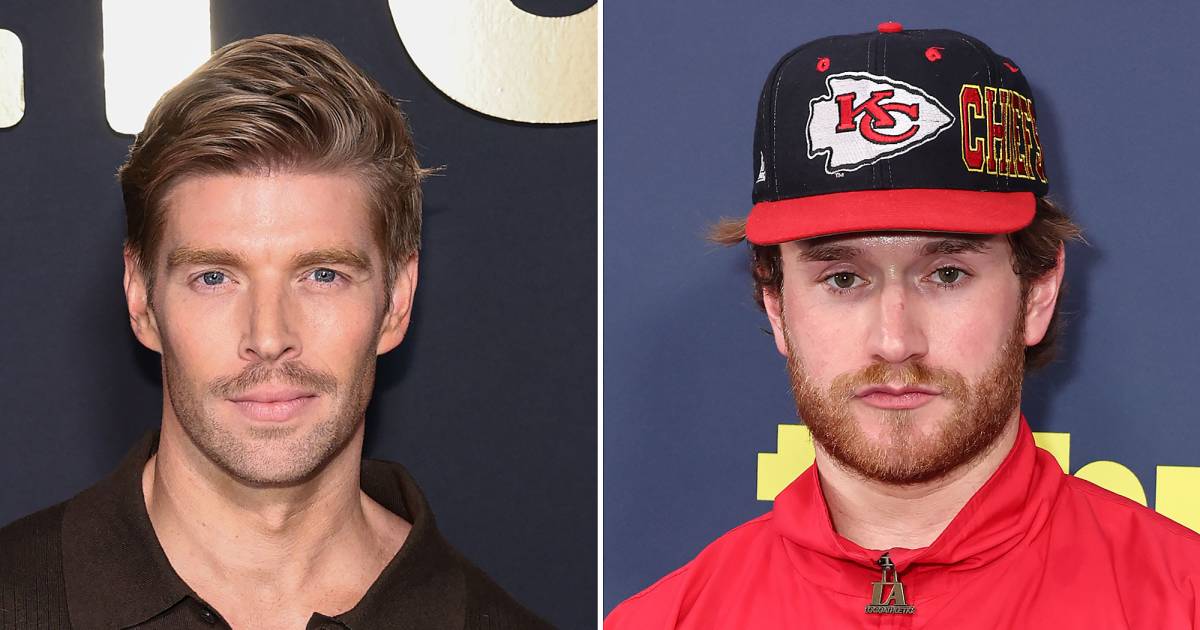
On Bravo’s “Summer House,” financial strain between longtime couple Kyle Cooke and Amanda Batula — who did not have a prenup — has become a point of conflict. Batula, who is now dating castmate West Wilson, has admitted she regretted the decision, admitting her earlier assumptions about prenups were “naive.”
“Do I regret it? Yes,” she said on “Watch What Happens Live.” “Everyone needs a prenup. We’re gonna be fine, but still — it could have not been fine.”
Reality check
While some people still hold the belief that marriage means the sharing of two lives unequivocally, the reality is that more and more people have either gone through or seen just how messy divorces can get.
A third date may be, as one Reddit user crassly put it, “ejaculating that topic prematurely” into the conversation; everyone has a different set of criteria for feeling out a potential match.
Whether in death or divorce, all marriages end. And a prenup is a contract of that marriage ending, Sexton told The Post.
“So technically, when someone gets married, really what you want to say is, ‘I hope this ends in death. It’s weird like that. But I really hope your marriage ends in death.’”


