






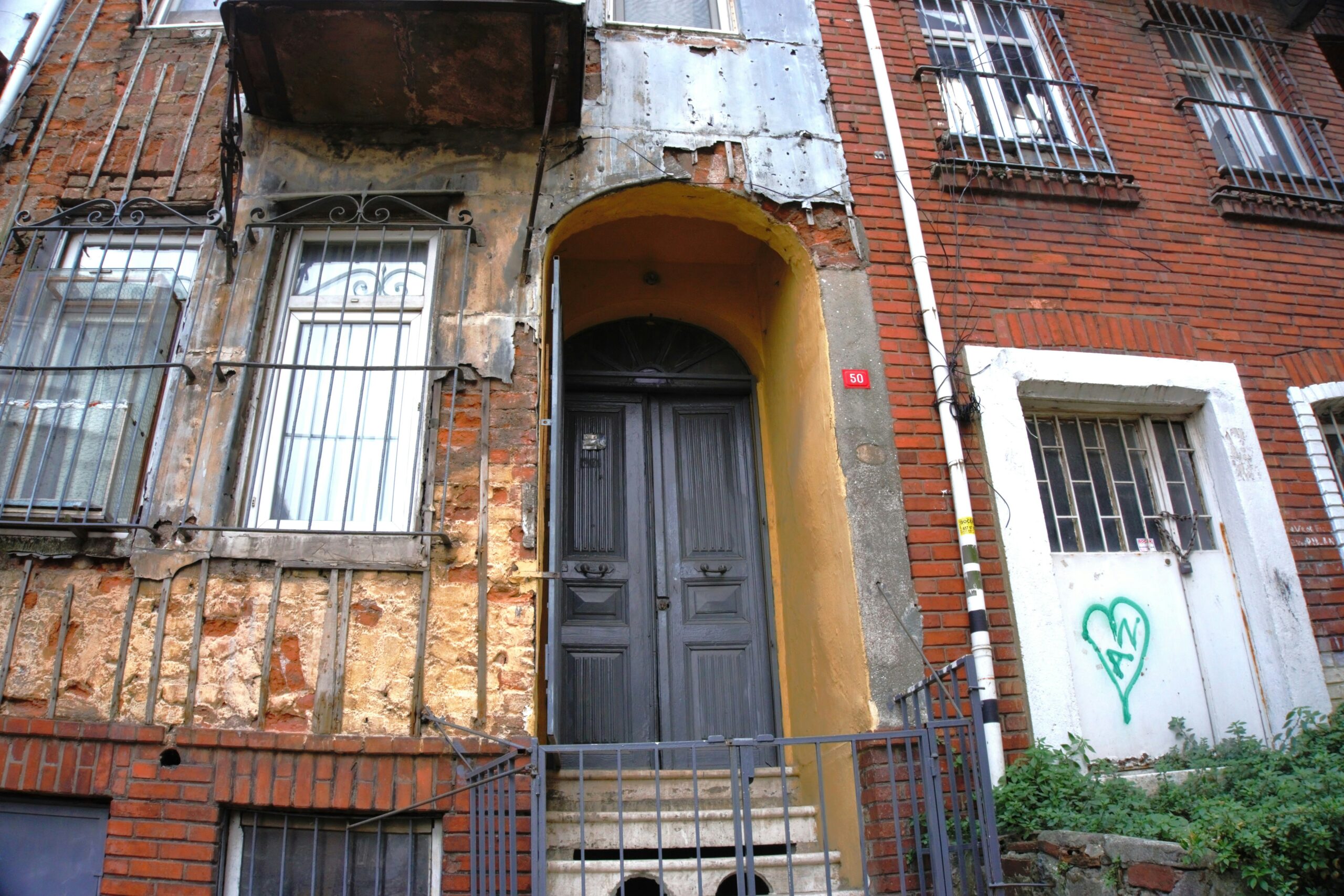
In a country where everyone deserves the right to live in a safe and habitable home, housing disrepair remains a growing issue that affects thousands of tenants each year. From damp and mould to leaking roofs and faulty heating systems, these problems can make everyday living uncomfortable and, in many cases, hazardous to health. Yet for many, the path to getting landlords to act can feel long, stressful, and unfairly one-sided.
That is where Housing Disrepair Solicitors step in — professionals dedicated to protecting tenants’ rights and ensuring that landlords meet their legal responsibilities. Through their expertise, persistence, and understanding of housing law, they give tenants the voice and legal backing they need to secure safe, liveable conditions and fair compensation when those rights are ignored.
Understanding Housing Disrepair
Housing disrepair refers to any form of damage or deterioration within a rented property that affects its safety, comfort, or suitability as a home. The most common examples include:
- Persistent damp and mould growth
- Broken heating or hot water systems
- Leaking roofs or gutters
- Structural damage such as cracks or subsidence
- Faulty electrics or plumbing
- Infestations due to poor property maintenance
- Rotting windows, doors, or flooring
For tenants, these issues are more than mere inconveniences — they can have serious implications for health and wellbeing. Mould, for example, can trigger respiratory illnesses, while broken heating systems can make homes uninhabitable during winter.
Under UK law, landlords have a clear duty to ensure that rented homes are kept in good repair and are safe to live in. Yet despite these legal obligations, many tenants find that complaints are ignored or dismissed, leading to prolonged suffering and, in severe cases, lasting damage to both health and property.
The Legal Duty of Landlords
Landlords across England, Scotland, Wales, and Northern Ireland are legally bound to maintain their properties under several housing acts, including the Landlord and Tenant Act 1985 and the Homes (Fitness for Human Habitation) Act 2018. These laws make it explicit that landlords must:
- Keep the structure and exterior of the property in repair.
- Maintain installations for water, gas, electricity, heating, and sanitation.
- Ensure that the property is free from hazards that could cause harm.
Failure to do so constitutes a breach of contract and, in some cases, negligence. When landlords fail to address legitimate repair requests, tenants have the right to take legal action — but doing so without professional help can be complex and daunting. This is where housing disrepair specialists play a vital role.
How Housing Disrepair Solicitors Support Tenants
Housing disrepair solicitors act as advocates for tenants, ensuring that landlords and housing associations fulfil their responsibilities. Their role extends far beyond providing legal advice — they represent tenants through every stage of the claims process, from initial consultation to court proceedings if required.
Their work typically involves:
- Assessing the property’s condition: Solicitors often arrange professional surveys to document evidence of disrepair, ensuring the case is well supported.
- Engaging with landlords: They contact landlords formally, requesting necessary repairs and setting deadlines for action.
- Pursuing compensation: If landlords fail to comply, solicitors can seek financial compensation for tenants, covering both distress and any damage to belongings.
- Ensuring accountability: In serious cases, they may initiate court proceedings to enforce repairs or recover damages.
This process not only provides immediate relief for tenants but also promotes better standards in housing by holding landlords accountable for their legal obligations.
Why Tenants Need Legal Representation
For many tenants, dealing with a negligent landlord can feel overwhelming. Power imbalances are often evident — landlords have resources, while tenants are left facing worsening conditions and rising stress. Legal representation helps to level that imbalance.
Solicitors understand the intricacies of housing law and can act quickly to protect tenants’ rights. They ensure that cases are handled professionally, deadlines are met, and evidence is presented effectively. Without such guidance, many tenants risk having their claims dismissed or under-compensated.
Additionally, most housing disrepair solicitors operate on a no-win, no-fee basis, meaning tenants can pursue justice without upfront costs. This accessibility is crucial in ensuring that legal recourse is not reserved for the few but available to anyone whose housing rights have been violated.
Common Signs of Housing Disrepair
Identifying when a property falls into disrepair is the first step in seeking help. Some issues may develop gradually, while others appear suddenly, but all can be serious if ignored. The following are key signs that a property may qualify for a disrepair claim:
- Damp and mould: Persistent mould on walls, ceilings, or furniture, often accompanied by musty odours or peeling paint.
- Heating or water issues: A lack of heating during cold months or recurring boiler faults that make daily life difficult.
- Structural problems: Cracks in walls, leaks through the ceiling, or damage to exterior brickwork.
- Electrical faults: Flickering lights, faulty sockets, or exposed wiring posing fire or shock risks.
- Infestation: Rodent or insect problems caused by poor property maintenance.
Each of these can have physical, emotional, and financial consequences, making timely legal intervention essential.
The Housing Disrepair Claim Process
While every case is unique, the typical claims process follows several key stages:
- Initial Consultation: The solicitor gathers details about the property, the landlord, and the disrepair issues.
- Inspection: A qualified surveyor assesses the property, documenting evidence through photographs and reports.
- Letter of Claim: A formal letter is sent to the landlord, outlining the issues and requesting repairs or compensation.
- Negotiation: Solicitors seek to resolve matters out of court whenever possible, saving time and stress for the tenant.
- Court Action: If landlords fail to respond or refuse to act, the case proceeds to court, where solicitors represent the tenant.
- Settlement and Repairs: Once the case concludes, tenants receive compensation, and landlords are ordered to make necessary repairs.
Throughout this process, tenants are kept informed, supported, and empowered to make decisions with confidence.
The Human Impact of Disrepair
Beyond the legal framework, housing disrepair has a deeply personal impact. Living in substandard conditions can affect every aspect of life — from physical health to emotional wellbeing.
Damp, mould, and poor ventilation can trigger asthma and other respiratory conditions, particularly in children. Leaking roofs and electrical hazards pose safety risks, while inadequate heating can make winter months unbearable. These issues can strain families, impact work and school attendance, and lead to increased anxiety and stress.
Solicitors specialising in housing disrepair understand these human dimensions. Their work is not merely about financial compensation but about restoring dignity, security, and peace of mind.
Challenges in the Housing System
The UK’s housing system faces significant challenges, particularly within the social and private rented sectors. Aging housing stock, lack of maintenance funding, and bureaucratic delays often leave tenants trapped in unsafe conditions for months, if not years.
Local councils and housing associations, while legally responsible, sometimes lack resources or oversight, leading to delayed responses and ignored repair requests. In the private sector, unregulated landlords may attempt to evade their duties or intimidate tenants who raise complaints.
Legal professionals play a crucial role in addressing these systemic issues. Each case they handle sets a precedent and reinforces accountability, ensuring landlords understand that neglecting tenant welfare carries real consequences.
Empowering Tenants Through Awareness
Knowledge is power. Many tenants endure poor living conditions simply because they are unaware of their rights. Public awareness campaigns, legal aid services, and community outreach programmes are therefore essential in empowering tenants to speak out.
Housing disrepair solicitors often work alongside charities and advocacy groups to educate the public about their legal entitlements. Workshops, free consultations, and online resources have become invaluable tools for tenants seeking help. The more informed tenants are, the more effectively they can hold landlords to account.
Technology and the Modern Legal Approach
The legal sector is evolving rapidly, and housing disrepair solicitors are embracing technology to make justice more accessible. Online case management, digital evidence collection, and virtual consultations have streamlined the claims process.
Tenants can now submit photographs, videos, and documents electronically, reducing delays and simplifying communication. This modern approach ensures that even those with limited mobility or time constraints can access expert legal assistance efficiently.
Beyond Compensation: Restoring Quality of Life
While financial compensation is often part of the outcome, the ultimate goal of any housing disrepair claim is to ensure that tenants live safely and comfortably.
Repairs ordered through legal action often lead to immediate improvements in living conditions. Tenants regain peace of mind, health risks diminish, and homes become safe once more. Compensation simply acknowledges the suffering endured along the way — but the real victory lies in restored dignity and improved wellbeing.
The Importance of Legal Expertise
Housing law is complex and ever-changing. Navigating it without expert guidance can lead to mistakes that weaken a claim. Solicitors who specialise in housing disrepair combine deep legal knowledge with empathy and understanding.
They know how to gather strong evidence, negotiate effectively, and present cases persuasively. Their expertise ensures that tenants receive fair treatment and that justice is achieved efficiently.
Conclusion
Everyone deserves a home that is safe, comfortable, and well-maintained. Yet too many tenants across the UK continue to live in poor conditions, often unaware of their legal rights or afraid to take action.
The work of Housing Disrepair Solicitors is therefore invaluable. They stand on the front line of tenant advocacy, transforming frustration and hardship into empowerment and justice. Their dedication ensures that landlords uphold their responsibilities and that tenants receive the respect, safety, and dignity they deserve.
In a housing landscape that still struggles with inequality and neglect, these solicitors remain steadfast defenders of fairness — fighting for tenants’ rights, one home at a time.