Today’s top story
Scientists have been arguing about hexagonal diamonds (whose carbon atoms arrange themselves in hexagons instead of the cubic lattices seen in natural diamonds) for decades. First theorized in 1962, the diamonds were later discovered in meteorites that arrived to Earth from the mantles of shattered dwarf planets, although the evidence for this is disputed.
Now, three separate research groups appear to have made pure to nearly pure hexagonal diamond samples. If their findings are replicated consistently and can be scaled up, they could open up all kinds of new applications.
The trend
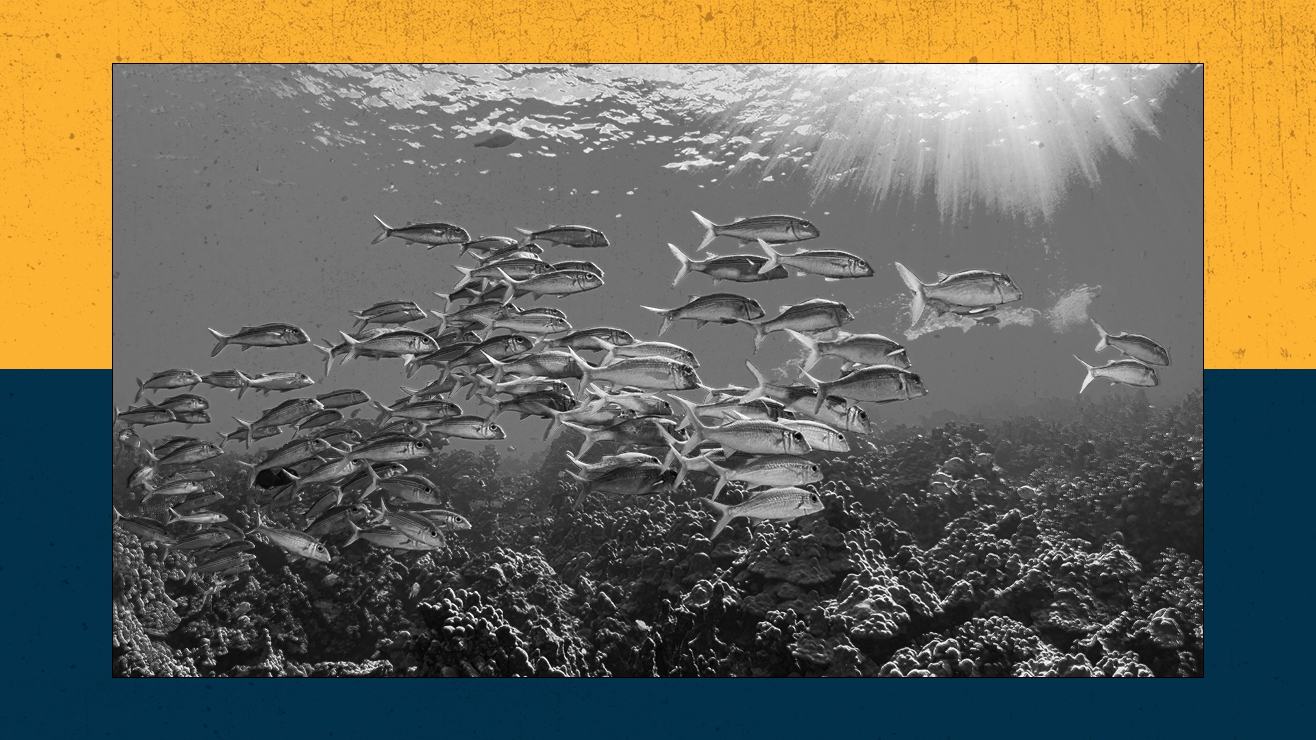

Climate change is making fish smaller, according to an alarming new study published in the journal Science. It warns that the shift may worsen fishery losses by 50%.
As ocean temperatures soar, fish are evolving to grow faster and mature earlier, reducing their maximum size. This in turn leads to smaller catches for fisheries, putting a vital protein source relied upon by billions of people on a very thin line.
The scientists behind the study say this is yet another reason to reduce carbon emissions, preserving millions of tons of food production that would otherwise be lost.
Three to read
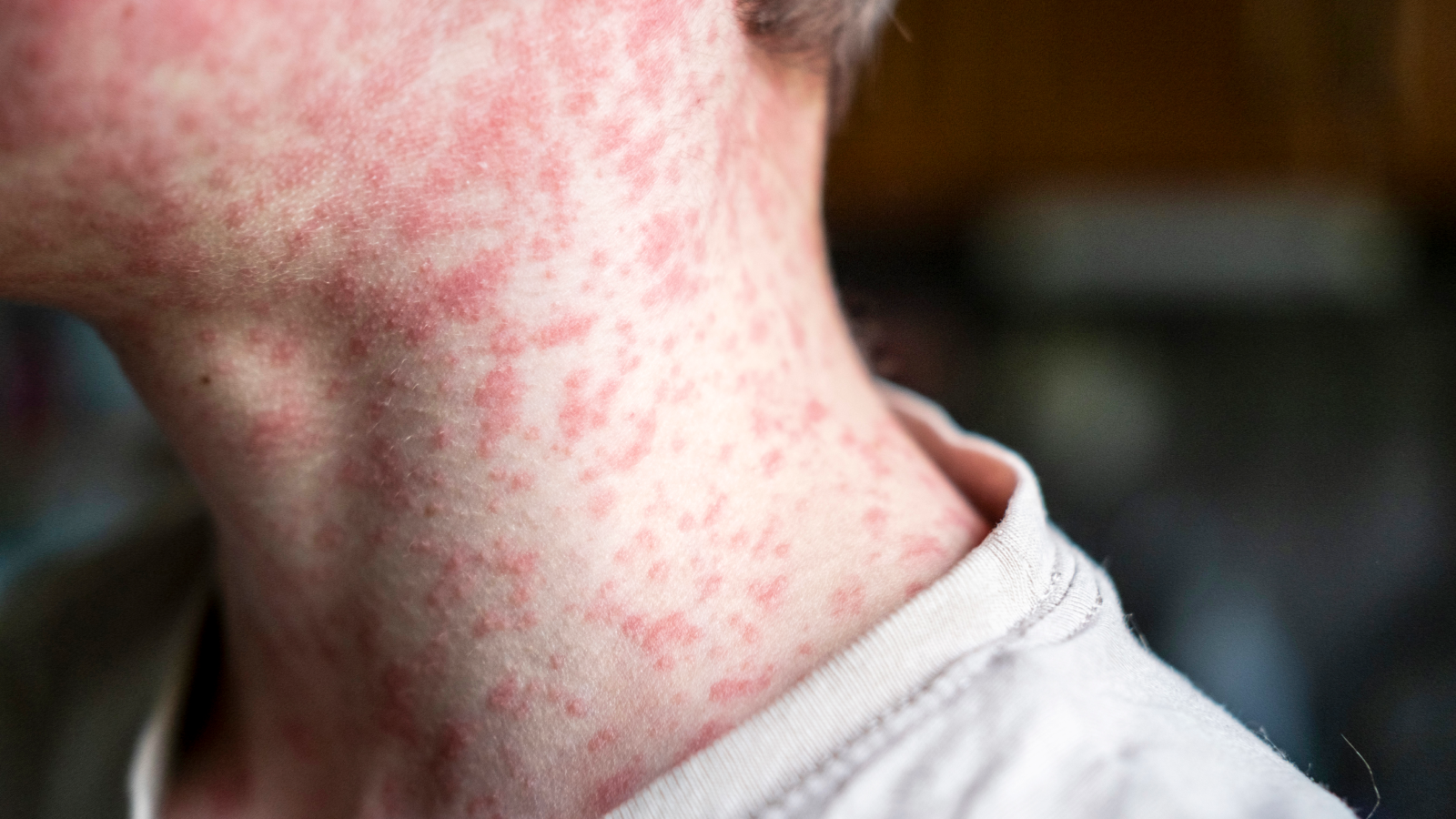
- Measles’ resurgence in the US is a grim sign of what’s coming [Live Science]
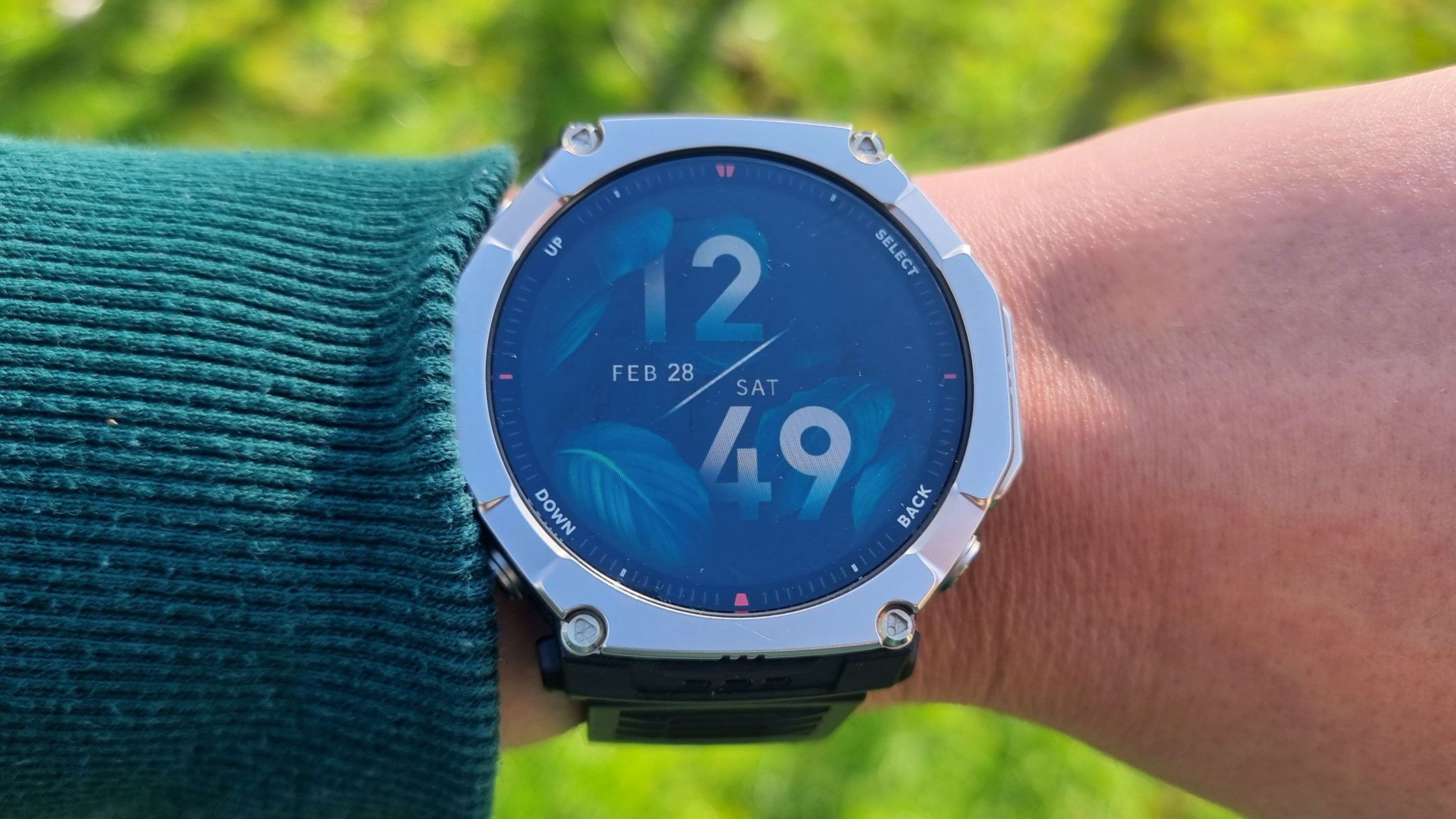
- China creates a clock so accurate it could redefine the second [ScienceAlert]
- GPS is being weaponized in electronic warfare — and it’s putting ships at risk [Live Science]
Say it, said it
Word of the day: Zugzwang — Starting as a chess term, this German word is used in psychology and game theory to describe a situation where any move you make will worsen your position.
Quote of the day: “We are now faced with a 30-million-tonne question: we need to determine if this is just a small, natural leakage of ancient carbon, or the onset of broadscale destabilization.”
Fun and games
Today’s game is Chain Word, which is a bit like another popular word game, but with science.
Follow Live Science on social media
Want more science news? Follow our Live Science WhatsApp Channel for the latest discoveries as they happen. It’s the best way to get our expert reporting on the go, but if you don’t use WhatsApp we’re also on Facebook, X (formerly Twitter), Flipboard, Instagram, TikTok, Bluesky and LinkedIn.