






Today’s top story
The social media giants Meta and Google have been held liable in a landmark California legal case that found the companies deliberately designed addictive social media products that caused harm to a young woman’s mental health.
The ruling, which came with compensatory damages of $3 million to be awarded to the plaintiff, is the first of its kind, opening up social media companies to penalties across thousands of pending civil claims filed across the U.S.
Central to the young woman’s claim was that the addictive nature of social media products led to her having anxiety, depression and body dysmorphia. The case was preceded by another one in New Mexico on March 24, which ruled that Meta failed to protect children from exploitation on its platforms, for which the company was ordered to pay $375 million in damages.
It’s still unclear whether these rulings, which the companies plan to appeal, will lead to long-term structural changes to how social media sites and other online forums operate. Previously, companies used Section 230 of the 1996 Communications Decency Act to shield themselves from responsibility for what is said on their platforms.
With this defense circumvented, some analysts suggest the rulings pave the way for broader online censorship and privacy invasions, whereas the plaintiff’s lawyers argued the case was not about content but about addictive design features built into platforms.
Meanwhile, the clinical evidence for the addictive nature of these features — particularly whether being glued to your phone constitutes genuine addiction or just “problematic usage” — remains inconclusive.
The trend
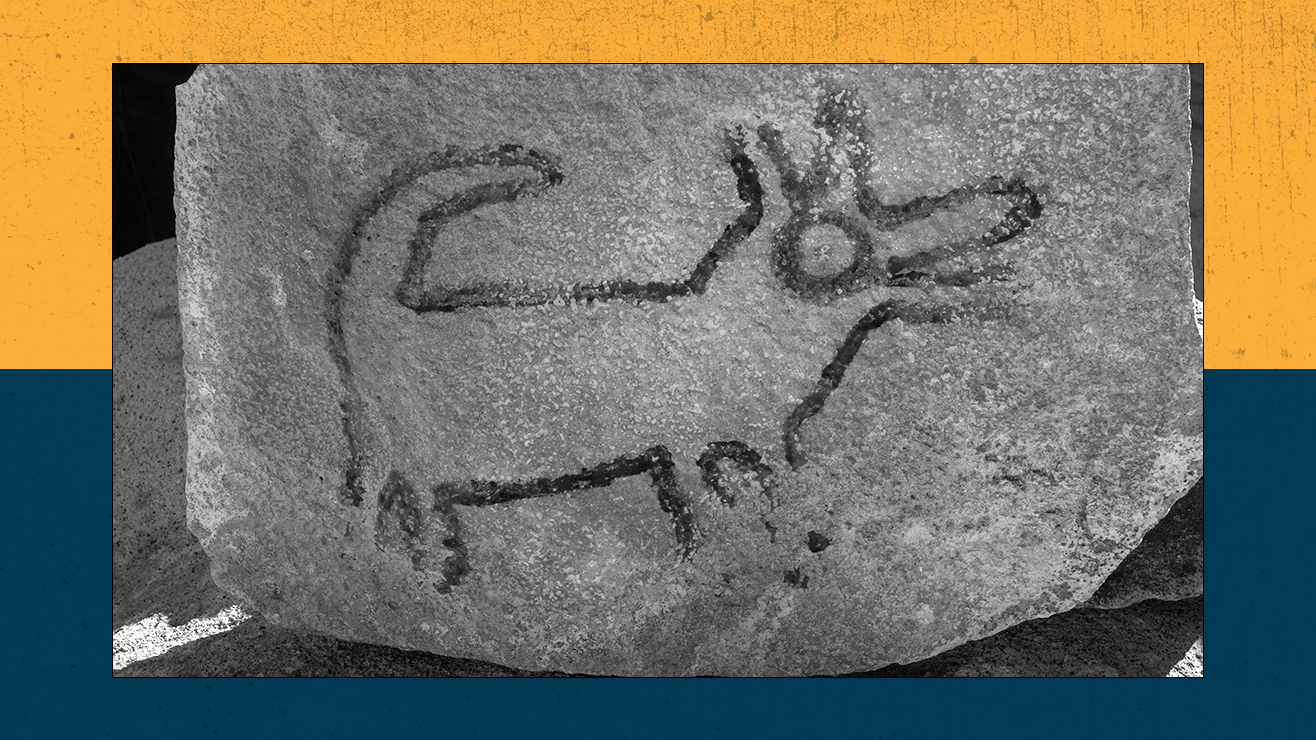

A new analysis has found the oldest genetic evidence of the bond between humans and dogs, dating to 15,800 years ago — 5,000 years older than previous finds.
The researchers discovered this long interspecies bond by examining the genomes of various dog-like remains from archaeological sites around Europe, as well as the oldest take from Turkey’s Central Anatolian Plateau. The latest findings suggest that humans became pals with domesticated wolves before the invention of agriculture.
Three to read
- Chinese lander reveals giant ‘cavity’ of radiation between Earth and the moon — and it could change how lunar exploration is done [Live Science]
- Landmark experiment reveals a big unexpected problem with cloning [New Scientist]
- Scientists are racing to save Australia’s ‘zombie tree’ from a fast-spreading fungal disease [Live Science]
Photo of the day
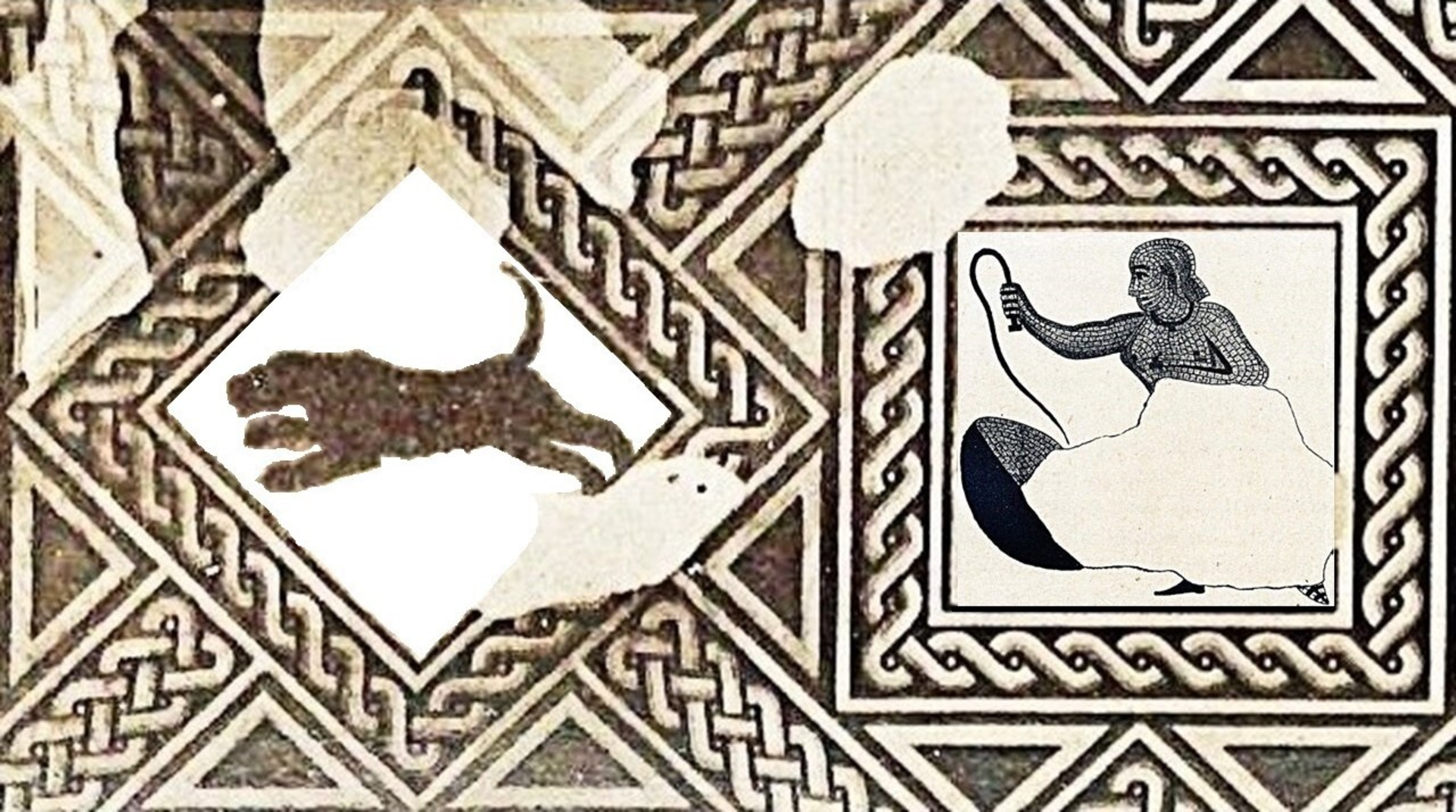

This drawing is the first visual evidence that women battled beasts in the arenas of the Roman Empire, a new study has revealed.
Found in Reims, France, in 1860, the original mosaic depicting this scene was destroyed during bombing in World War 1. But not before Jean Charles Loriquet, a French archaeologist, discovered it and preserved it in a sketch.
Say it, said it
Word of the day
Momoztli — Nahuatl for “stone altar”. A recent excavation revealed one of these three-layer stone constructions that was used for human sacrifices.
Quote of the day
“A lot of people already feel overwhelmed by digital life. Asking them to strap a gadget to their face for casual interaction is a big ask.”
Fun and games
All that reading got you looking for a break? Why not give our chain word puzzle a go.
Follow Live Science on social media
Want more science news? Follow our Live Science WhatsApp Channel for the latest discoveries as they happen. It’s the best way to get our expert reporting on the go, but if you don’t use WhatsApp we’re also on Facebook, X (formerly Twitter), Flipboard, Instagram, TikTok, YouTube, Bluesky and LinkedIn.