





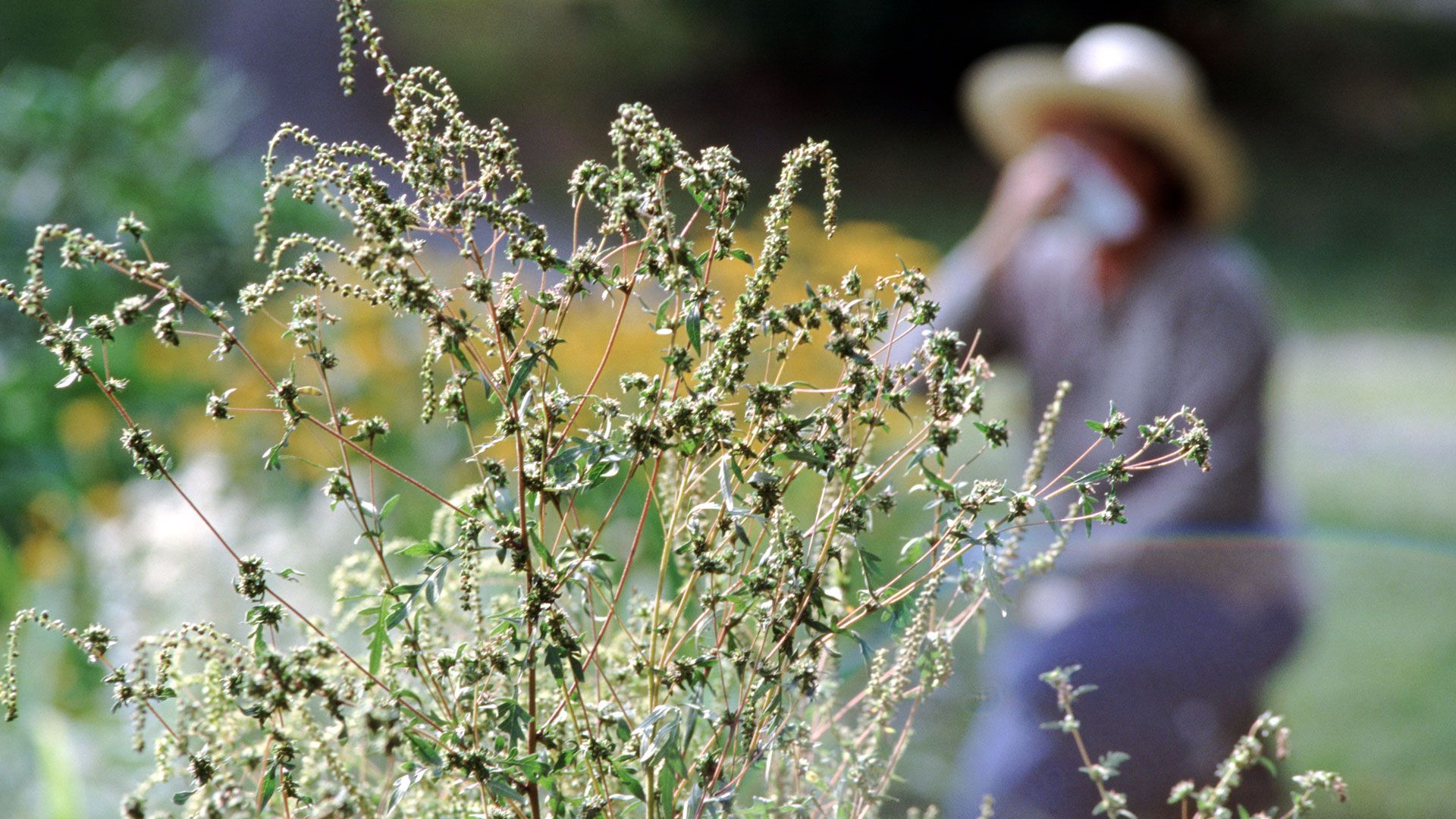
While spring is a lovely time of year to look forward to, for some, it brings about mixed feelings because their hay fever symptoms increase as the weather improves. Hay fever often leaves people with a runny nose, itchy eyes, sore throats, coughs and sneezes. However, there are things you can do to reduce how much pollen impacts you at this time of year, so here are our top five tips on how to survive hay fever season.
We spoke to Melanie Carver, chief mission officer of the Asthma and Allergy Foundation of America (AAFA), who offered some expert advice and tips on how to survive hay fever season. One option is to consider one of the best air purifiers to keep the air in your home as clean as possible.
Article continues below
Keep your windows closed
As soon as spring hits, it’s tempting to open the windows and let the fresh air spruce up your home, especially if it’s been a long, cold and wet winter. However, for those who suffer with hay fever, this may, in fact, be encouraging those allergens into the home. Pollen travels through the air, so if you open the windows, pollen can enter the home and increase the occurrence of sneezing, itchy eyes and coughing.
Melanie Carver, chief mission officer of the Asthma and Allergy Foundation of America (AAFA), explains: “Open windows, even windows with screens, allow pollen to enter the home easily, especially during times when pollen counts are high. Individuals with pollen allergy (tree, grass, and weed pollen are the most common) may experience allergy symptoms if the pollen that triggers their allergies is present in the home. Symptoms may include a runny nose, a stuffy nose, sneezing, itchy and watery eyes and coughing/wheezing.
“One of the best ways to manage pollen allergy symptoms is to reduce exposure to pollen. This means keeping windows closed when pollen counts are high and taking steps to prevent pollen from being in your home.”
While keeping your windows closed in the lovely spring weather might sound annoying, especially if you want to freshen up your home, keeping your windows closed can have other benefits, such as keeping the warm air out of your home and helping to keep it cooler if it is a particularly hot season.
Use an air purifier to remove indoor allergens
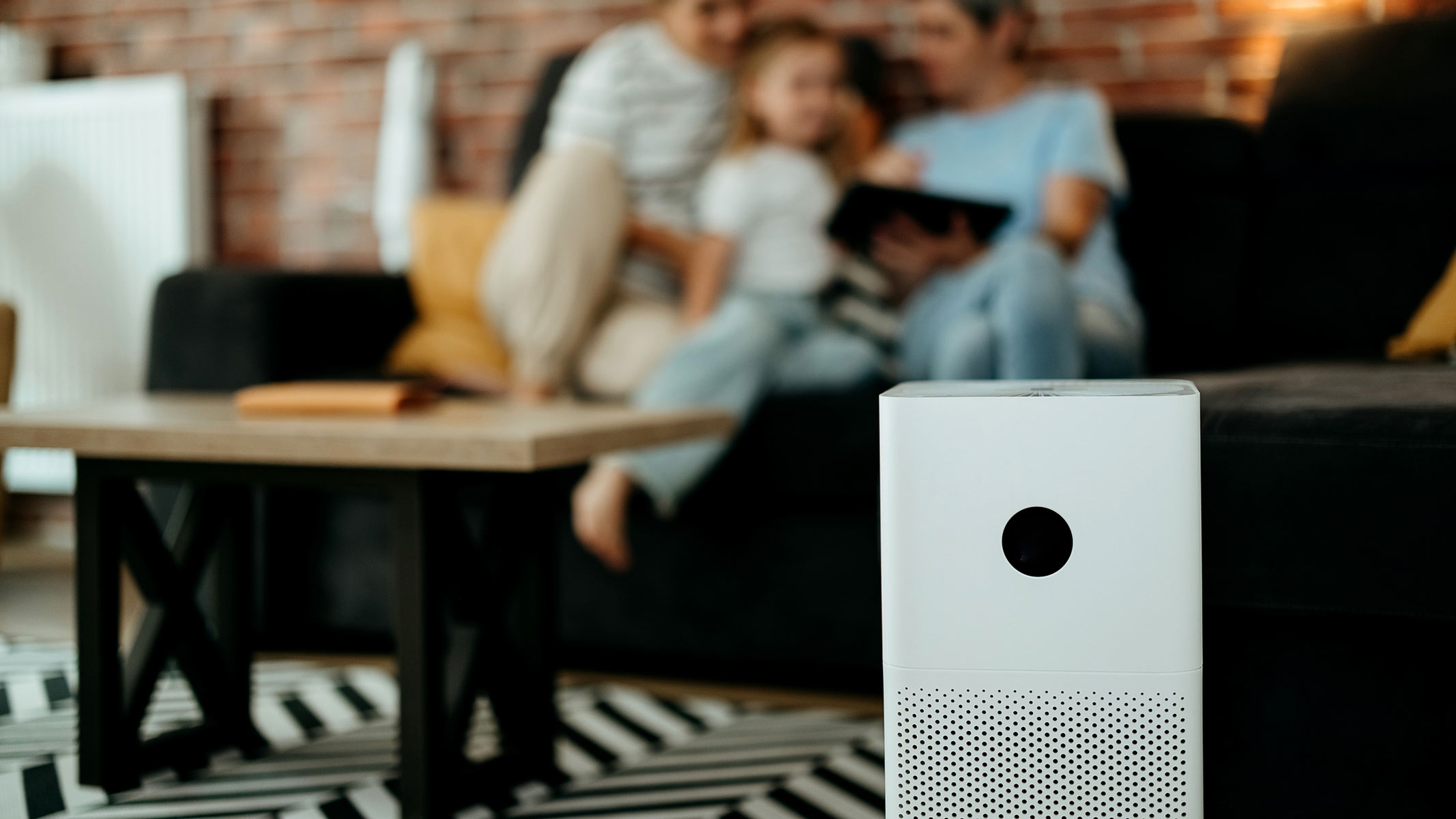

If pollen does get into the home (which, to some extent, is inevitable), the best air purifiers can help remove these allergens and make your indoor space more pleasant during hay fever season.
Air purifiers work by using fans to draw in the indoor air and then passing it through a filter, effectively removing the allergens. The filters trap microscopic particles such as pollen, so these particles never reach your lungs. By removing these particles from the air, this can also reduce the amount of sneezing, itchy eyes and coughing you experience during hay fever season. Our top tip when buying an air purifier for allergies is to get one with a HEPA filter — these are the most effective filters.
Our expert, Melanie Carver, said: “HEPA – high efficiency particulate air – filters are an effective way to reduce exposure to common allergens, including pollens. HEPA filters work by using a fine two mesh of fibers to trap particles (such as pollen) and prevent them from being redistributed into the air. Asthma & Allergy Friendly® Certified air purifiers or air filters with HEPA can help reduce your exposure to allergens and airway irritants.”
Change your clothes when you get home
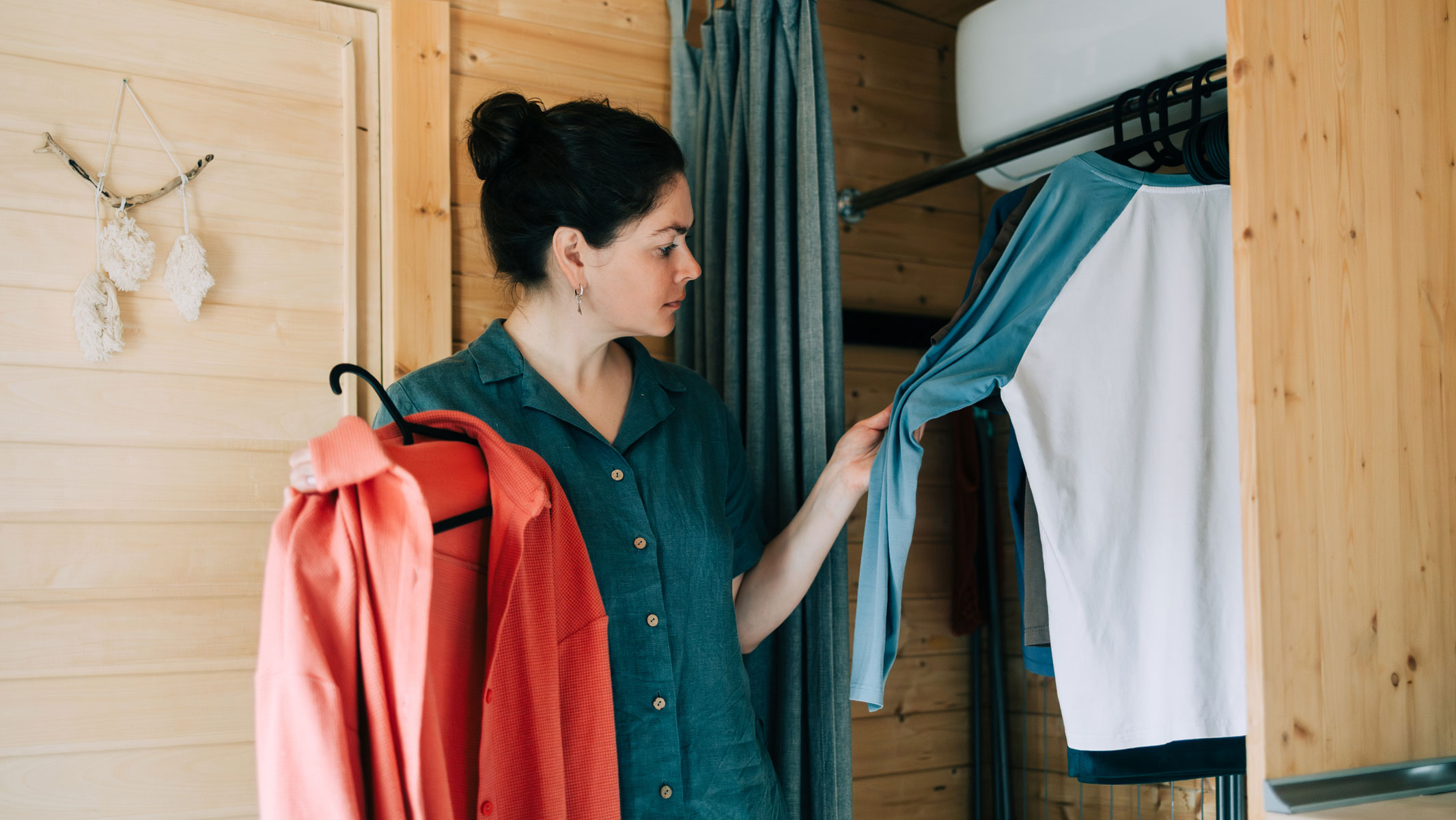

To some, this might seem a bit extreme, but pollen and other allergens can get trapped on fabrics while you’re out and about. Pollen is an airborne particle, meaning it moves around in the air, but it also attaches itself to various surfaces once it comes in contact with them. Therefore, changing your clothes when you get home can reduce the risk of further irritation to your respiratory system later in the day.
As pollen can also get trapped on your hair and skin, it isn’t a bad idea to shower and wash your hair upon returning home for the day, either.
“AAFA recommends changing clothes after you’ve been outside on high pollen count days. This is one way to help reduce your exposure to the pollen that may trigger your allergy symptoms,” said Melanie Carver. “Put dirty laundry directly into your washer, or at least not in your bedroom. We also recommend washing your hands as well as washing your hair to help remove pollen. For people who can’t or don’t want to wash their hair that often, use a hair covering when outside to prevent pollen from collecting on one’s head.
“Additionally, we recommend wiping down your pets when they come in from outside to help keep them from spreading pollen around your home — and when possible, bathe them once a week,” Carver said.
Dry laundry indoors
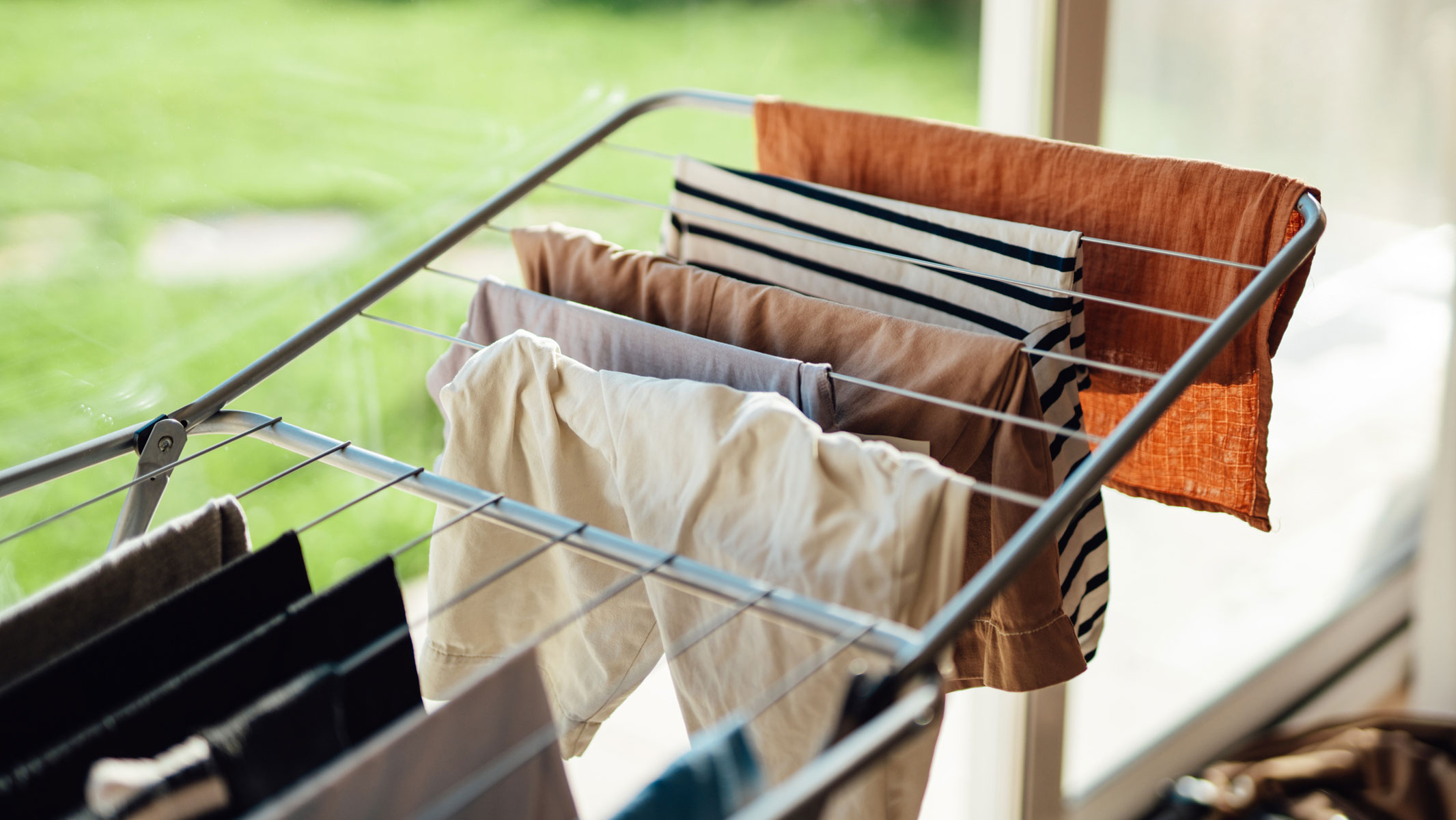
Similar to changing your clothes upon returning home, it’s a wise idea to avoid drying your laundry outside during hay fever season.
In much the same way as pollen can attach to your clothing when out, it is the same if you dry your laundry outside. You are leaving your clothes prone to that transmission, which will then come into your home and into your wardrobe or cupboard. By drying your laundry indoors, whether that be on an airer or in a tumble dryer, you will be reducing the risk of bringing pollen into your home and contaminating other surfaces and/or clothes.
“Like other small particles, pollen settles on surfaces and may become embedded in fabric, including carpet, curtains and bedding. It is important to regularly clean surfaces — wiping down hard surfaces with a damp cloth, vacuuming carpets and furniture fabric, and washing rugs and curtains,” said Melanie Carver of AAFA.
Use a vacuum cleaner with HEPA filters
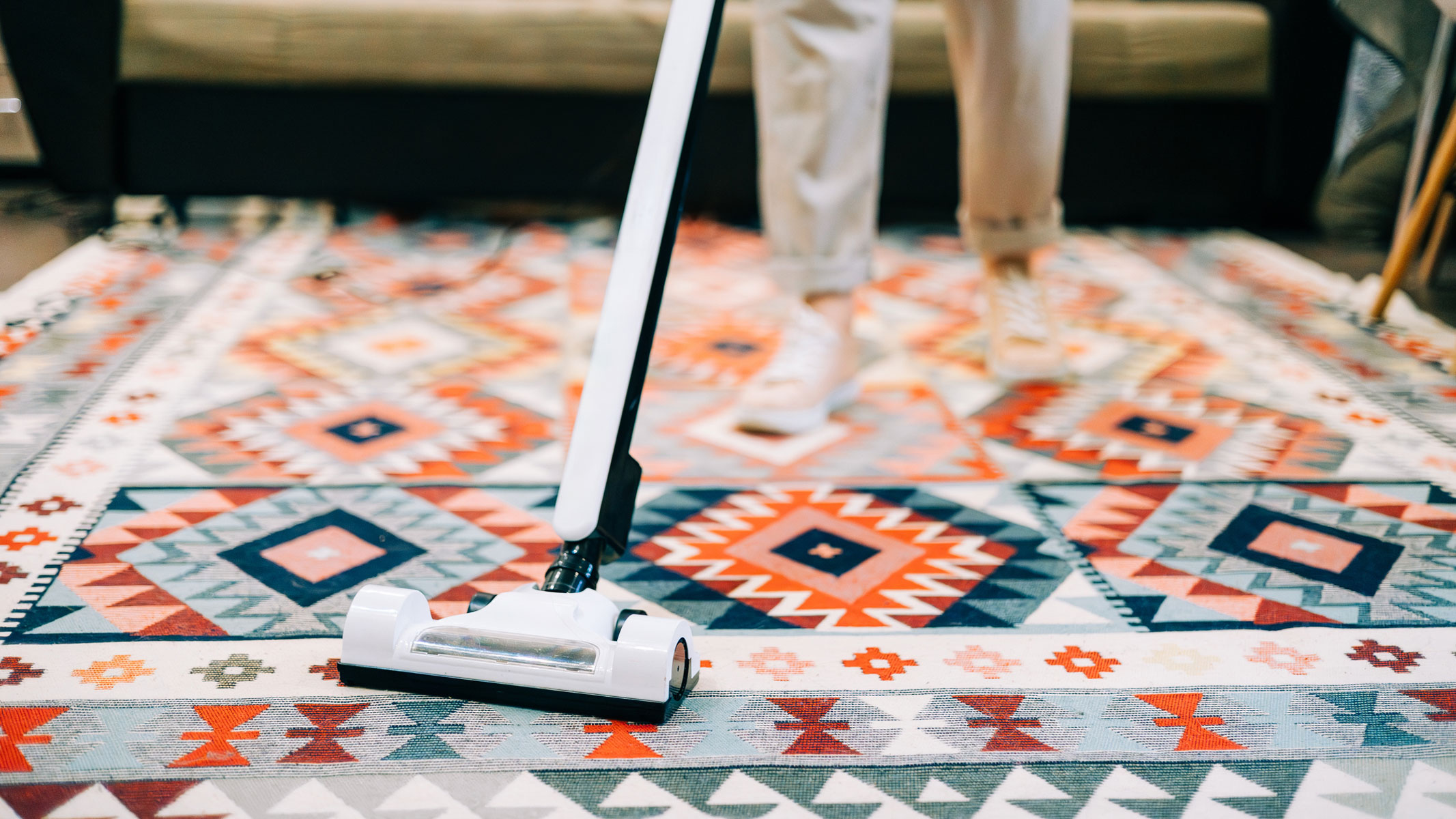

As we mentioned earlier, air purifiers are a great way to keep the air in your home allergen-free (or at least reduced). Air purifiers use HEPA filters to make sure this removal of allergens is effective, and some vacuum cleaners also use these filters to ensure effective removal.
Hoovers with HEPA filters work by capturing microscopic particles, such as pollen, by trapping these particles within the filter. Vacuum cleaners without HEPA filters may not effectively trap these allergenic particles and instead release them back into the air. Therefore, we recommend using or investing in a vacuum cleaner that uses HEPA filters.
“HEPA — high efficiency particulate air — filters on vacuums can be a useful tool in reducing pollen and other allergens from the home,” said Melanie Carver.
“Taking care to change your vacuum cleaner’s filters regularly helps ensure they operate most effectively to reduce allergens. Many vacuums, even those with HEPA filters, stir up a lot of debris into the air. People with sensitive airways should consider wearing a mask when vacuuming or have someone without asthma/allergies do the vacuuming, while the person with asthma/allergies stays out of the room for several hours until the dust settles. For some people, removing wall-to-wall carpeting may be a better solution.”
Melanie Carver also offered tips on what to look for in a vacuum if you are a hay fever sufferer. “When choosing a vacuum cleaner, look for the following,” she said. “The vacuum must be proven to remove surface allergens, dust released when changing the vacuum bag or canister should remain low, exposure to allergens while changing the bag or cleaning the canister should be low, water-based collection systems must not negatively impact the relative humidity of the air and carpet and water-based collection systems must have a care code that emphasizes the importance of mold growth prevention in the collection system.”