




Most people start a business to gain freedom.
Freedom over time.
Freedom over decisions.
Freedom over income and direction.
Yet for many SME owners, that freedom quietly disappears.
What was meant to be empowering begins to feel restrictive. What once felt like choice starts to feel like obligation.
When this happens, ownership stops being an opportunity and starts to feel like a life sentence.
How Freedom Slowly Turns Into Confinement
This shift rarely happens overnight.
It begins with responsibility. Then pressure. Then dependency.
The business grows around the owner instead of beyond them. Decisions pile up. The owner becomes essential to everything, from strategy to daily operations.
Over time, the idea of stepping away feels impossible.
Not because the owner lacks capability, but because the structure demands their constant presence.
Why Many Owners Feel They Cannot Leave
Owners often believe they cannot exit because:
The business relies on them personally
They feel responsible for employees
They carry financial risk or guarantees
They fear losing identity
These concerns are understandable. They are also common.
What makes them dangerous is when they become reasons to stay stuck rather than prompts to plan.
The Emotional Weight of Ownership
Owning a struggling business carries emotional weight that few people talk about.
There is guilt, for not delivering what was promised. Anxiety, about cash flow and obligations. Isolation, because admitting difficulty feels like weakness.
Over time, this emotional load becomes normalised.
Owners stop asking whether the business is still serving them.
When Commitment Becomes Captivity
Commitment is essential in business. Captivity is not.
A business becomes a life sentence when:
The owner dreads daily decisions
Every problem feels personal
The future feels closed rather than open
There is no clear path forward
At this point, endurance replaces strategy.
Why Staying Is Not Always the Brave Choice
Culturally, staying is celebrated.
Leaving is framed as failure.
This narrative ignores reality.
In many cases, the bravest choice is to confront the truth early, while options still exist.
Exiting thoughtfully requires honesty, humility, and foresight.
The Value of Seeing the Business Objectively
Owners trapped in daily pressure struggle to see their business clearly.
Fatigue clouds judgment. Stress narrows perspective.
This is why external support matters.
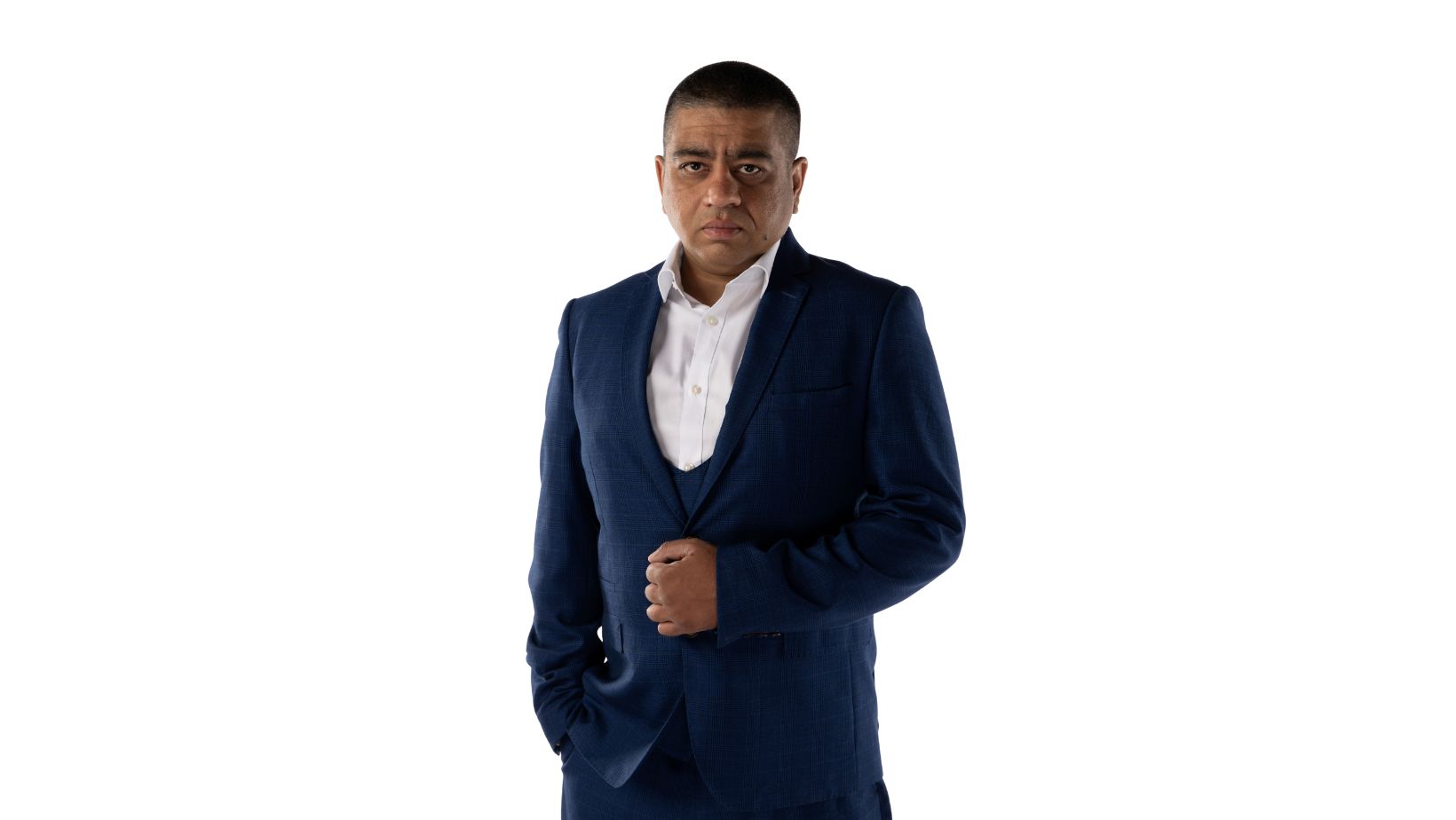
As Imran Hussain Fractional CFO, working with distressed SMEs since 2001, advising turnarounds since 2016, and investing in struggling businesses across the UK, USA, and Europe, objectivity becomes a strategic advantage.
It allows problems to be separated from identity.
Exit Is Not Escape, It Is Redesign
Exiting does not always mean walking away.
It can mean restructuring ownership. Selling part of the business. Bringing in a buyer who can carry the burden forward.
The goal is not escape, but redesign.
A business should support the owner’s life, not consume it.
Why Early Conversations Restore Control
The earlier owners explore options, the more control they retain.
They regain the ability to:
Choose timing
Shape outcomes
Protect value
Reduce stress
Waiting until burnout forces a decision removes these choices.
What a Healthy Exit Looks Like
A healthy exit feels deliberate.
It is planned, not rushed. Informed, not emotional. Supported, not isolated.
It leaves the owner with clarity rather than regret.
Most importantly, it restores the sense of agency that ownership was meant to provide.
Redefining Success
Success is not measured by how long you hold on.
It is measured by whether the business supports your life and values.
For some, success means scaling further. For others, it means closing a chapter well.
Both are valid.
Conclusion
Owning a business should not feel like a sentence you are serving.
If it does, that is not a personal failure. It is a signal that the structure needs to change.
There is no shame in seeking a better outcome.
More insight into this approach can be found at
👉 http://www.imranhussain.com
Ownership was meant to create freedom. When it no longer does, the most responsible step is to explore what comes next.