




WASHINGTON — President Trump joked Wednesday that he will be “blaming” Vice President JD Vance if the US-Iran peace deal doesn’t work out.
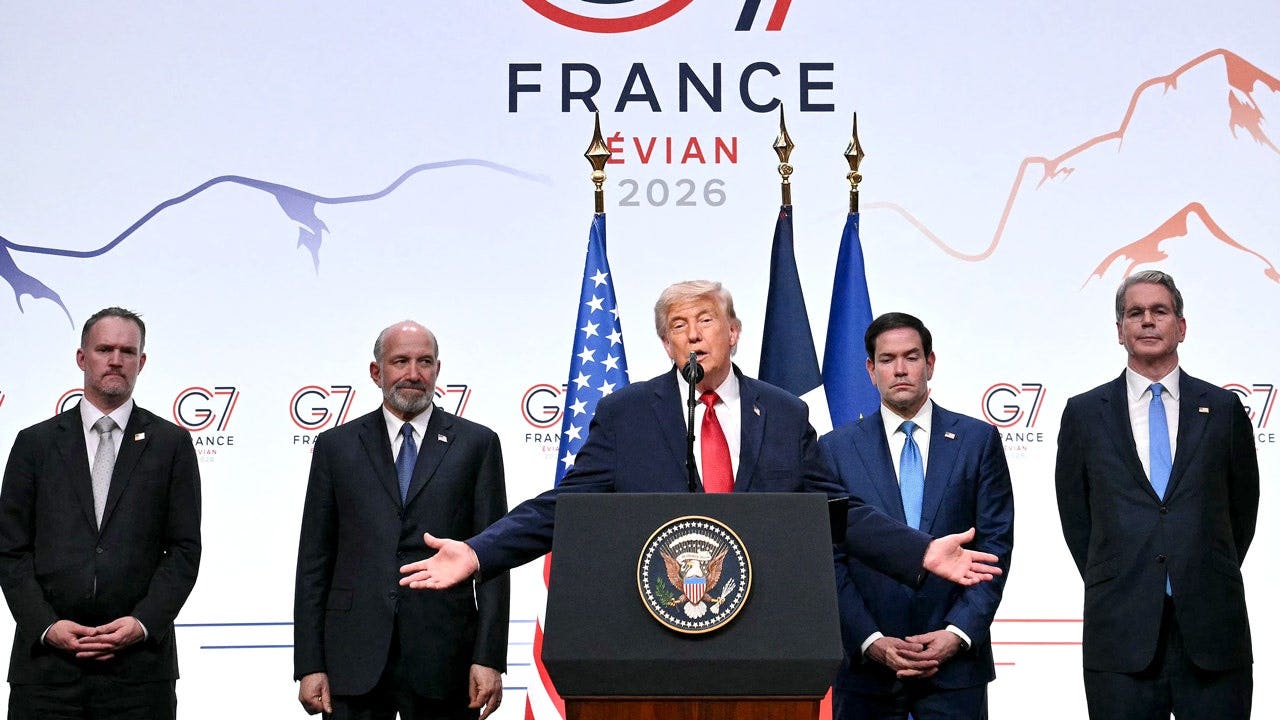
“If it works out, I’m going to take the credit. If it doesn’t work out, I’m blaming JD,” Trump said jestfully at a press conference at the G7 summit near Geneva.
“You better be careful, JD. He’s going to turn his plane around and get the hell out of here.”
Trump made the comment after being asked if that was the reason he was sending Vance to a formal deal-signing event Friday in Switzerland.
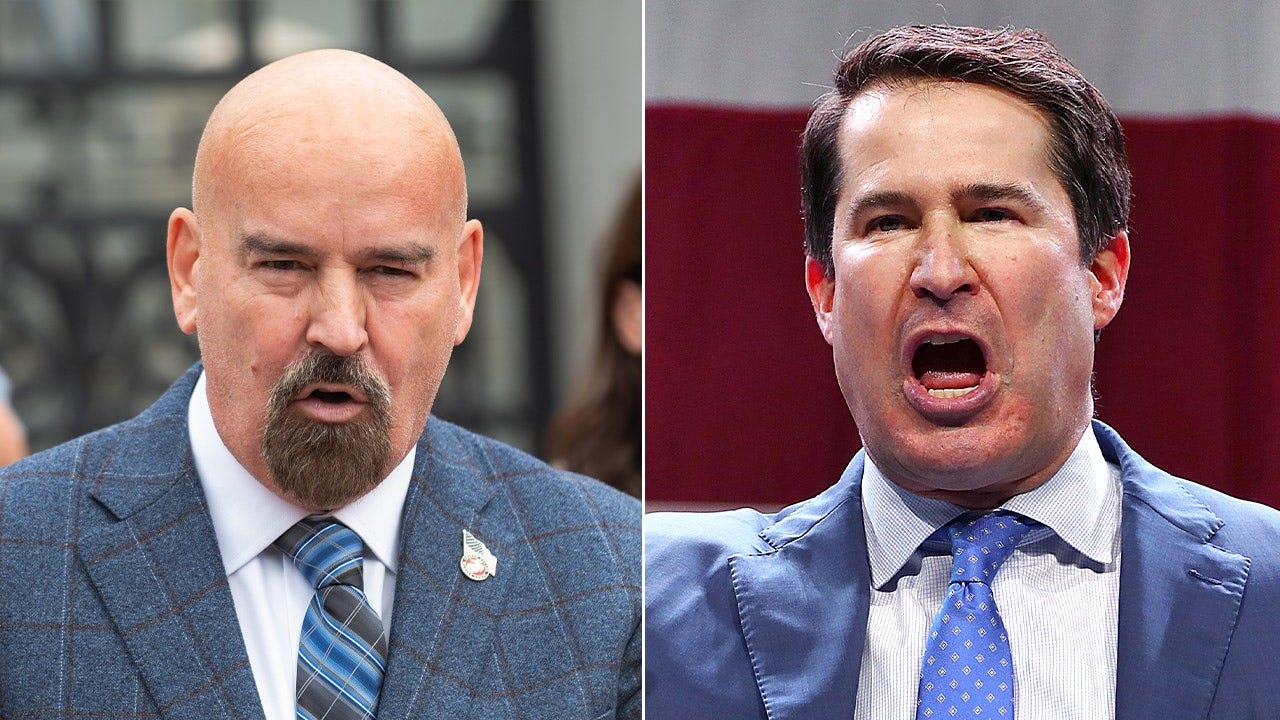
Earlier this week, prominent Iran hawk Sen. Lindsey Graham (R-SC) turned heads by crediting “the architect of the deal, Vice President Vance and his negotiating partners” — rather than Trump — and demanding congressional review.
Follow The Post’s live coverage of President Trump and national politics for the latest news and analysis
A source close to the president said that although it’s clear some war advocates are trying to pin the blame for the endgame on Vance, there’s a belief that “JD is just a proxy for attacking [Trump], because they can’t do that.”
Trump has acknowledged his own hands-on involvement in crafting the deal, including returning a near-final draft to request final edits.
Nuclear talks with Iran began before the war started on Feb. 28 and were initially led by special envoy Steve Witkoff and Trump son-in-law Jared Kushner. Vance joined later ahead of an in-person summit in April.
The source close to Trump added that blaming Vance for ending the war may not be a political liability, as the war was increasingly unpopular in polling, and the deal is expected to lower gas prices and boost stocks.
Speculation that Vance would be the fall guy comes in the context of 2028 presidential chatter about the relative strengths of Vance, who was privately wary of going to war, and Secretary of State Marco Rubio, who kept a lower profile during the war but is believed to be more hawkish.
Trump made the crack as his White House aides released the text of the 14-point memorandum of understanding.
The document has been described by US officials as intended to win over Iran, and Trump insisted that there are additional understandings not specified in the written document.
For example, Trump said that “common sense” will prevent Iran from imposing tolls on the Strait of Hormuz because “they don’t want to get bombed.”
“It’s a memorandum of understanding, and if I don’t like it, we’ll go back to shooting at them, dropping bombs right smack in the middle of their head,” he said.
Trump, Vance, and Iranian parliament speaker Mohammad-Bagher Ghalibaf signed the MOU digitally on Sunday, but it wasn’t released for three days.
The deal outlines plans for a $300 billion Gulf Arab investment plan for Iran and calls for the US to unfreeze more than $100 billion in Iranian funds. It also specifies the lifting of oil sanctions, which could net Tehran another $60 billion annually.
US officials say those financial components would be implemented in stages and in tandem with concrete steps to dismantle Iran’s nuclear program and cease its funding for terrorist proxies.
“It’s not our money, it’s their money, and we froze it at a certain point in time,” Trump said at the press conference.
“I guess we’re gonna have to give it back. You know, if we didn’t give it back, nobody would ever invest in the dollar again.”