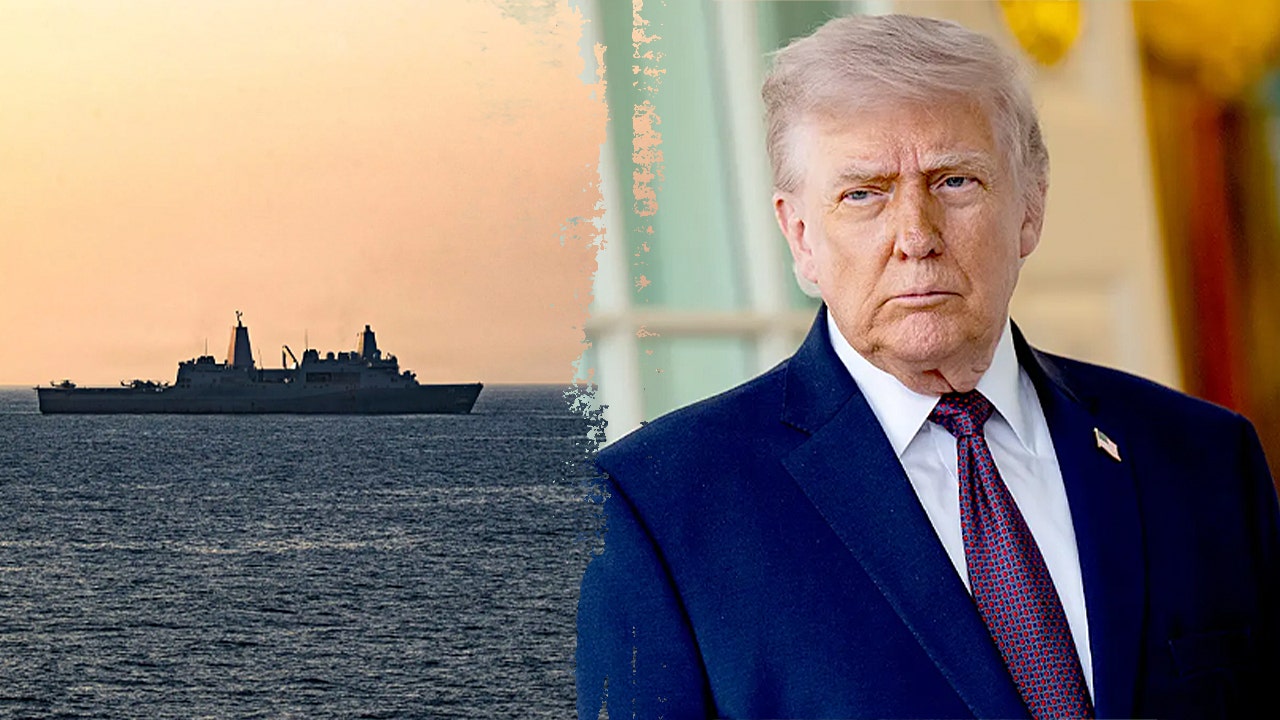





An agreement with Iran has been “largely negotiated,” President Trump said in a Truth Social post — but the thorniest issues, including the existence of Iran’s nuclear program, have yet to be settled.
While the president struck a hopeful tone, it emerged that the understanding between the two nations would once again delay a resolution on Iran’s possession of nukes, giving both sides 30 days to hash out the issue.
The announcement came hours after it was reported that the two countries were nearing a truce in the 84-day war and sparked criticism that the deal could give Iran even more power in the region.
“If a deal is struck to end the Iranian conflict because it is believed that the Strait of Hormuz cannot be protected from Iranian terrorism and Iran still possesses the capability to destroy major Gulf oil infrastructure, then Iran will be perceived as being a dominate force requiring a diplomatic solution,” hawkish Senator Lindsey Graham (R-S.C.) posted on X.
“This combination of Iran being perceived as having the ability to terrorize the Strait in perpetuity and the ability to inflict massive damage to Gulf oil infrastructure is a major shift of the balance of power in the region,” he added.
Mike Pompeo, who served as director of the Central Intelligence Agency and secretary of state during Trump’s first term, slammed a potential agreement as “not remotely America first.”
“The deal being floated with Iran seems straight out of the Wendy Sherman-Robert Malley-Ben Rhodes playbook: Pay the IRGC to build a WMD program and terrorize the world,” Pompeo posted on X.
Trump took to Truth Social Saturday afternoon to announce the apparent breakthrough.
“An Agreement has been largely negotiated, subject to finalization between the United States of America, the Islamic Republic of Iran, and the various other Countries, as listed,” Trump wrote.
“In addition to many other elements of the Agreement, the Strait of Hormuz will be opened,” Trump added.
The president had a “very good call” with officials from Egypt, Jordan, Turkey, Qatar, Saudi Arabia and the United Arab Emirates, he wrote.
Follow The Post’s latest coverage on the blocked Strait of Hormuz and its lasting effects
He also said he spoke separately with Israeli Prime Minister Benjamin Netanyahu, noting the call went “very well.”
“Final aspects” of the deal are set to be announced shortly, Trump said.
The president has previously slammed Iran for its history of negotiating deals, only to back out later.
“Every time they agree, the next day it’s like we didn’t have that conversation, and that’s taken place five times. There’s something wrong with them. Actually, they’re crazy,” Trump told Fox News’ Bret Baier in May.
Earlier, Trump claimed he was a “solid 50/50” on whether to sign a deal with the Islamic Republic or resume bombing the country.
Gulf leaders, particularly from Saudi Arabia and Qatar, persuaded Trump to call off a planned strike on Iran Tuesday in order to let negotiations play out.
Mediators from Qatar and Pakistan, including Pakistani Field Marshal Asim Munir, were in Tehran Friday working to solidify an agreement.
Netanyahu and Trump were reportedly at odds on how to proceed in the war, with the Israeli PM said to favor a resumption of bombing.
The Israeli PM’s “hair was on fire” after a heated call with Trump Tuesday, Axios reported.