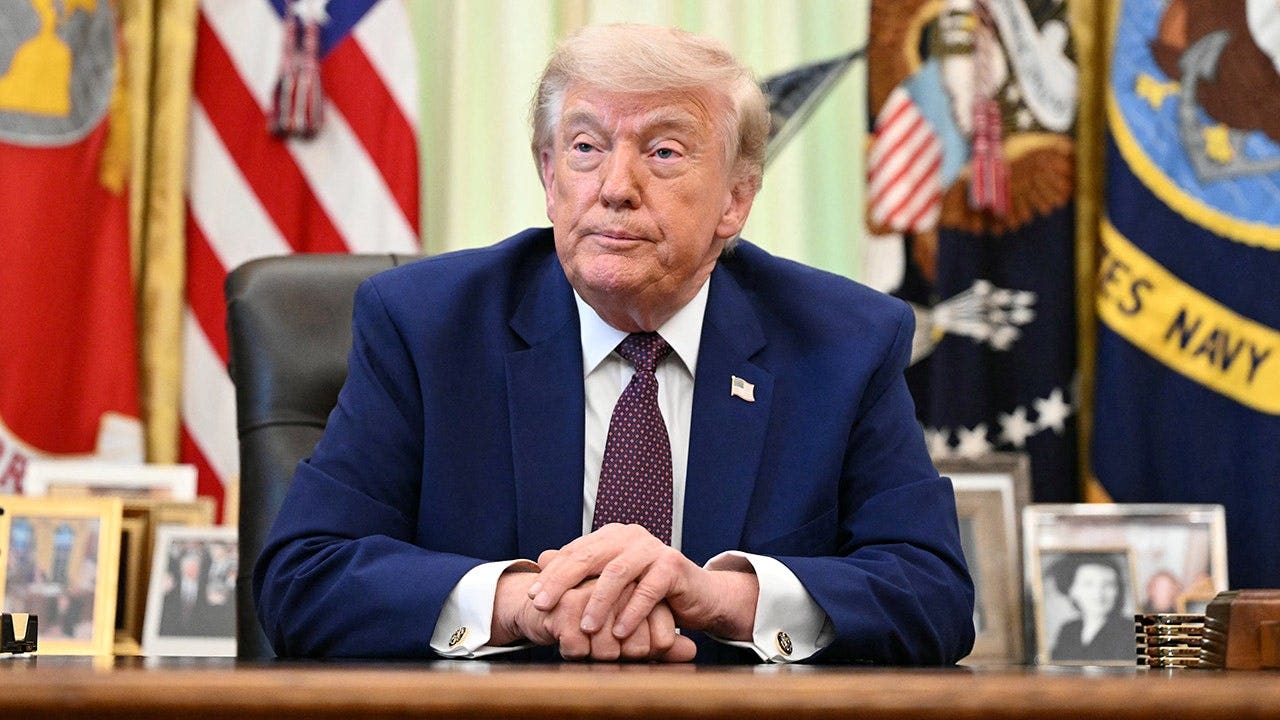





President Trump warned Israeli Prime Minister Benjamin Netanyahu that restarting a full-fledged war with Tehran could risk losing US support.
“I told Bibi, ‘you better be very careful what you do, because you could be left alone against Iran very soon,’” Trump told Israel’s Channel 12 on Monday.
Trump’s harsh words came over a phone call with Netanyahu after a volley of missiles between Iran and Israel that marked the 100th day of the war.
Trump said Iran offered a cease-fire with Israel, provided the president could stop Netanyahu from continuing attacks.
He then dialed the prime minister, emphasizing he was close to a deal with Iran and that he wouldn’t let Israel ruin it by returning to war.
Follow The Post’s live coverage of President Trump and national politics for the latest news and analysis
An administration official told The Post on Monday the White House did not believe Iran was intending to return to war with the strikes on Israel.
Netanyahu ultimately decided to hold more fire after Iran publicly announced it would stop striking Israel.
The prime minister did not promise to end strikes on Hezbollah in Lebanon, noting in a statement that Israel would hold fire on the “Iran front” — as the Israeli Defense Forces warned residents of southern Lebanon to evacuate in anticipation of additional Israeli strikes on Hezbollah targets.
Netanyahu for now has refrained from targeting Beirut again — a red line for Iran that pre-empted Tehran’s Sunday missile strikes on Israel.
“If the evil Zionist-American coalition makes another mistake, the region will become hell for it! Peace be upon the martyrs of #Dahiya,” Secretary of Iran’s Supreme National Security Council Mohammad Bagher Zolghadr said in a statement, referring to those killed in Israel’s weekend strikes on Beirut.
Trump on Sunday had called Netanyahu after Iran launched missiles at Israel to ask that he not retaliate.
The Israeli prime minister considered that call “more of a request than a demand,” according to a source with knowledge of Netanyahu’s thinking.
During the conversation, the Israeli leader emphasized that his country had a right to respond to the attacks — and argued that not doing so would weaken deterrence against Tehran, the source said. The president then pressed Netanyahu to keep his reaction limited, the Wall Street Journal reported.
The next morning, Iran called Washington to propose a cease-fire, Channel 12 reported, prompting Trump to pick up the phone to tell Netanyahu to lay down arms.
The drama unfolded on the 100th day since the war began on Feb. 28, with the president saying a deal to open the Strait of Hormuz and begin nuclear negotiations with Iran is near.
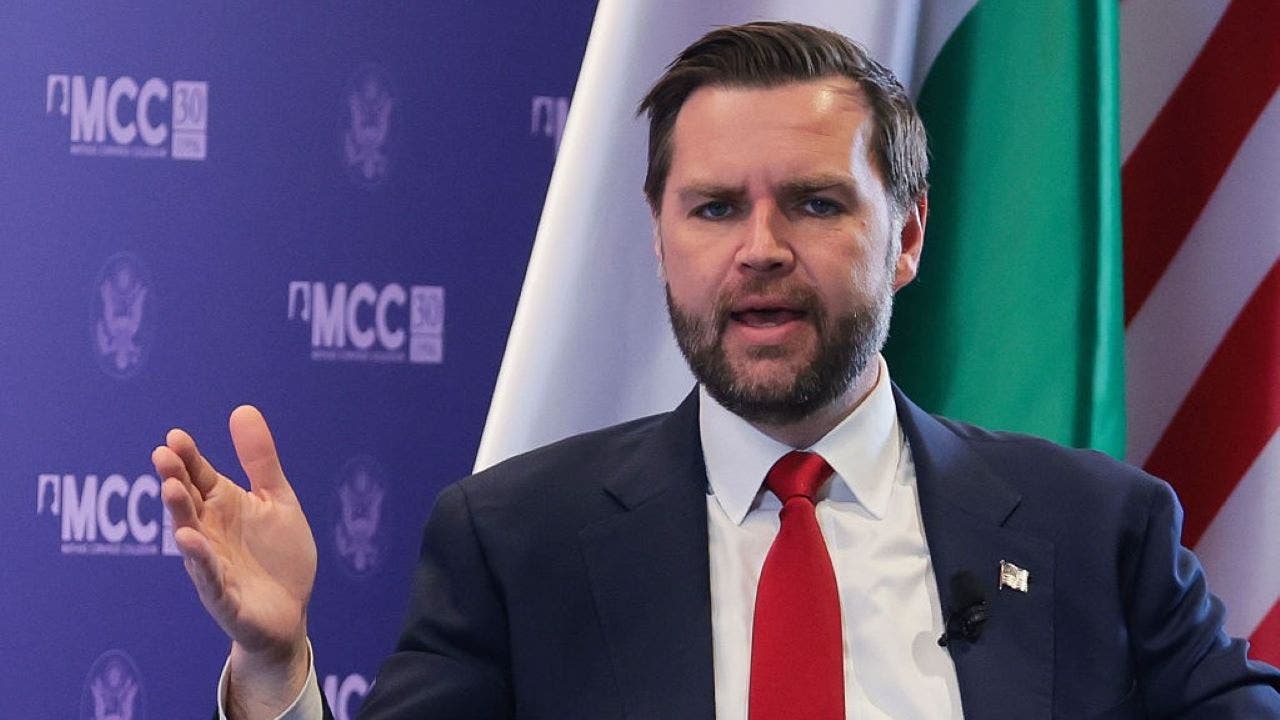
Vice President JD Vance on Monday said Iran is “putting some real things on the table” — but acknowledged he does not “assume that everybody involved is acting in good faith.”
“We’re going to take the attitude of accomplish the president’s mission, but verify over the long term that the Iranians are keeping their end of the bargain,” he told Fox News’ The Five. “… If we get this deal, it’s going to be a home run for the American people.”
“Let’s be honest, the Iranians don’t want this war to continue. It’s not in their best interests,” he added.
Pakistani Prime Minister Shehbaz Sharif, whose country is mediating US-Iran talks, on Monday said “the final objective is just about to be achieved.”
“The recent surge in violence in the Middle East is a stark reminder of the dangers associated with a tenuous ceasefire and the unbearable consequences it may lead to,” Sharif posted to X. “As we work earnestly and painstakingly, together with our brothers and partners, to find a peaceful diplomatic solution to the conflict, and especially when the final objective is just about to be achieved, we sincerely urge all sides to exercise restraint and give peace a little more chance.”
Trump for months has repeatedly claimed a deal could be close. And Iranian sources with whom The Post spoke on Monday rejected the notion that Tehran is ready to make a deal — at least not without a payday.
Tehran is seeking a lifting of sanctions and the unfreezing of billions of dollars before it would even enter nuclear negotiations — a red line for the US that Secretary of State Marco Rubio last week told Congress the White House would uphold.
In testimony on the Hill, Rubio said that sanctions relief would only be offered if Iran made progress on its nuclear file — and that the ongoing US blockade on Iranian ports would be lifted only if Tehran reopens the Strait of Hormuz.
Iran on Monday claimed it had opened the Strait of Hormuz — but only for vessels that choose to pay a “fee” to get through. The Trump administration has consistently called for free passage through the strait, objecting to Iranian desires to toll the waterway.
”Despite the aggressive war by the United States and the Zionist regime against the Islamic Republic of Iran and the restrictions resulting from the war, PGSI is striving to provide safe passage for commercial vessels in cooperation with the Armed Forces of the Islamic Republic of Iran,” the Persian Gulf Strait Authority posted to X on Monday.
Still, Iranian political leadership signaled openness to continued diplomacy, with Iranian President Masoud Pezeshkian on Monday saying discussions with the US are continuing.
“Diplomacy and defense are the two wings of national power; we have neither abandoned the field nor the negotiating table,” he posted to X. “Our priority is national security and the peace of our people. We will defend the rights of the nation with authority and will not retreat in the face of any threat.”