








Seiya Suzuki was midway through his home run trot when he held out his left hand as if clutching an imaginary bowl. Holding an invisible whisk in his other hand, the Chicago Cubs outfielder made a stirring motion.
The Samurai Japan bench erupted.
Shohei Ohtani broke into laughter. Some of the players around him started preparing their own bowls of make-believe tea.
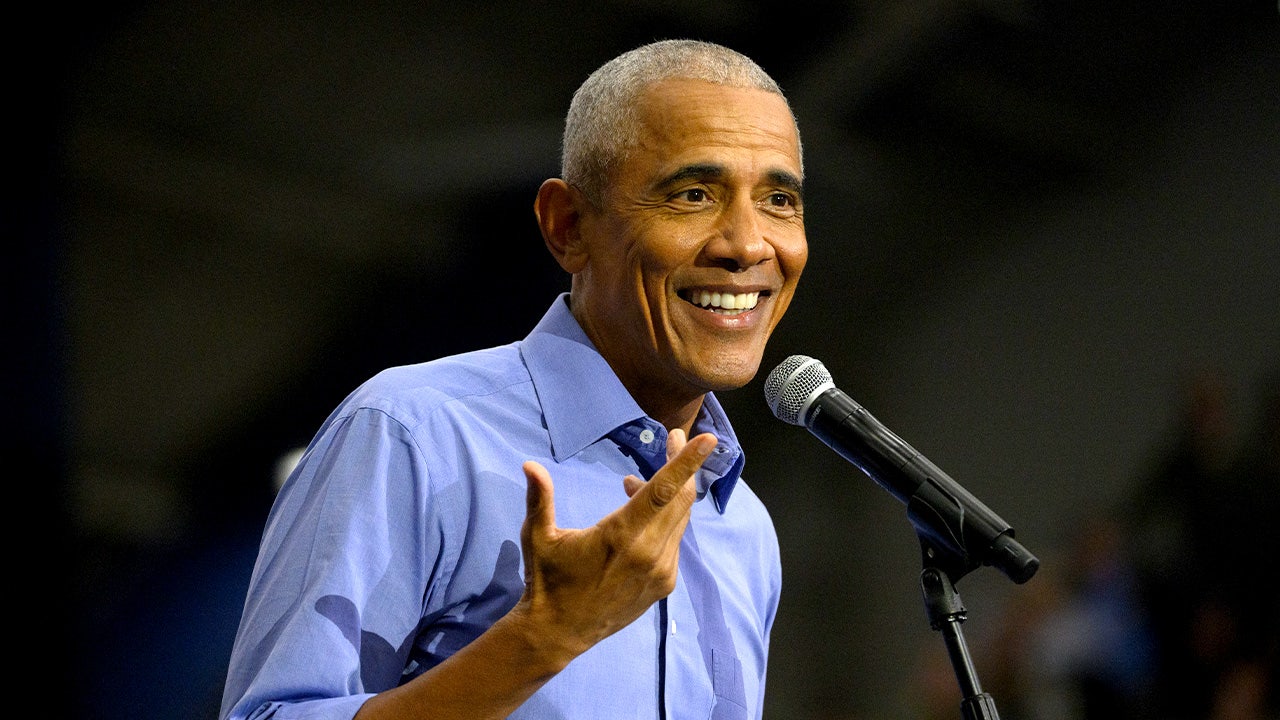
This scene from Samurai Japan’s last exhibition game before the World Baseball Classic was what Ohtani had in mind when he assigned 26-year-old pitcher Koki Kitayama the task of coming up with a team celebration.
“We initially had an atmosphere in which the younger players didn’t feel as if they could proactively speak to the older players,” Ohtani told reporters.
Kitayama was one of the players Ohtani found to be too respectful. So last week, Ohtani playfully told Kitayama to not sleep until he thought of a celebration that incorporated Japanese culture. Kitayama’s initial idea — rubbing an imaginary Japanese tea cup — was rejected by Ohtani.
“Spend another night thinking about it,” Kitayama recalled being told by Ohtani.
Kitayama presented the ocha-tate celebration to the team before its final tuneup. The exercise produced its desired effect.
Samurai Japan, as Japan’s national baseball team is called in its homeland, will start its defense of its WBC title with a group-stage showdown against Taiwan on Thursday.
This version of Samurai Japan has a different feel than any of the teams it fielded in the five previous WBCs.
More joyful. More playful. More relaxed.
The team has taken on the personality of its leader, Ohtani.
In Japanese culture, seniority is comparable in importance to ability, which is why the 31-year-old Ohtani has never previously found himself in this position with Samurai Japan. At the last WBC three years ago, the responsibility of establishing the team’s culture belonged to Yu Darvish, who is eight years Ohtani’s senior.
Over the course of the tournament, Ohtani became the clear successor, not only because he was the best player on the team but also because of how he comported himself. Before the championship game against Team USA, Ohtani delivered a simple but moving speech in the locker room.
He implored his teammates to set aside their admiration of their well-known American counterparts. He name-checked the superstars the United States had at various positions — Paul Goldschmidt at first base, Mike Trout in center field, Mookie Betts in right, and so forth.
“If you admire them, you can’t surpass them,” Ohtani said. “We came here to surpass them, to reach the top. For one day, let’s throw away our admiration for them and just think about winning.”
Ohtani struck out Trout for the final out, and Japan won the tournament for the third time.
Ohtani’s stature continued to grow in the years that followed.
He won three more MVP awards. He moved to the Dodgers and became a two-time World Series champion. He became the first player in major league history to hit 50 homers and steal 50 bases in a season.
He also became older.
For players who never even played with or against him in Japan’s domestic league, Ohtani became borderline unapproachable.
Playing a major role in breaking down the barriers of communication was Suzuki, who is the same age as Ohtani.
“At first, everyone was nervous around ‘Sir Ohtani’ and couldn’t really talk to him,” Suzuki said. “But I told them, ‘He’s just a human being like you,’”
By teasing Ohtani, Suzuki humanized him to the other players. When Ohtani and Suzuki appeared together at a news conference during Samurai Japan’s training camp, Suzuki poked fun at Ohtani’s elevated status by saying after a number of Ohtani’s responses, “Same answer.”
“I think we’ve built a good team atmosphere, so I think it will be a good tournament,” Suzuki said.
While Ohtani has bridged the generation gap on the team, he isn’t expected to help Samurai Japan where it’s most vulnerable.
When Japan has won the WBC, it’s been because of pitching, and its rotation this time around is a clear downgrade from the previous tournament. Three years ago, Samurai Japan’s rotation was led by Ohtani, Darvish and an in-form Roki Sasaki. Yoshinobu Yamamoto was the team’s No. 4 starter, with Shota Imanaga available to start the championship game.
This year, plans are for Ohtani to just be a designated hitter. Darvish is recovering from an elbow operation. Sasaki remains with the Dodgers, who didn’t want him to participate after an injury-plagued rookie season in the majors.
Behind Yamamoto, Samurai Japan has Yusei Kikuchi, Tomoyuki Sugano and 23-year-old Hiroto Takahashi, who could be Japan’s next major pitching export. Kikuchi was 7-11 with a 3.99 earned-run average last year with the Angels. Sugano was 10-10 with a 4.64 ERA with the Orioles and just signed a one-year, $5.1-million contract with the Rockies.
This won’t be a typical Japanese team, not only in how they pitch but also in how they interact with each other.
Download The California Post App, follow us on social, and subscribe to our newsletters
California Post News: Facebook, Instagram, TikTok, X, YouTube, WhatsApp, LinkedIn
California Post Sports Facebook, Instagram, TikTok, YouTube, X
California Post Opinion
California Post Newsletters: Sign up here!
California Post App: Download here!
Home delivery: Sign up here!
Page Six Hollywood: Sign up here!


