





WASHINGTON — The Senate voted 50-48 Tuesday to require President Trump to end the Iran war — which concluded last week with a memorandum of understanding.
Follow The Post’s live coverage of President Trump and national politics for the latest news and analysis
It’s the first time Congress has passed a resolution directing a president to end an undeclared war since adopting the War Powers Resolution of 1973.
Four Republicans — Rand Paul of Kentucky, Susan Collins of Maine, Lisa Murkowski of Alaska and Bill Cassidy of Louisiana — voted with the majority of Democrats to ratify the House-passed measure.
Sen. John Fetterman (D-Pa.) sided with the majority of Republicans.
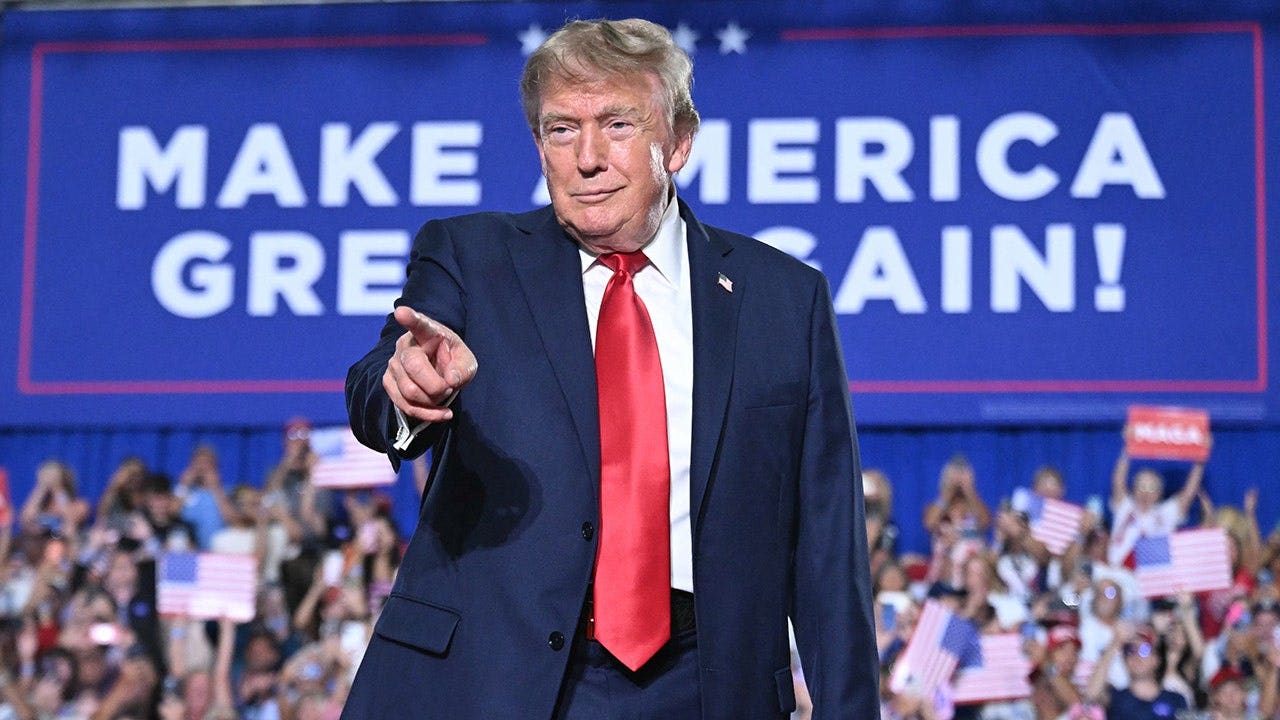
Two Republicans were absent and did not vote, including Sen. Mitch McConnell (R-Ky.) and Sen. Dave McCormick (R-Pa.), who was attending a Trump rally in his home state.
It’s unclear what practical effect the resolution might have given the conflict’s recent end, though its language may apply if hostilities resume.
US and Iranian negotiators are meeting in Switzerland this week to finalize the terms of Tehran’s abandonment of its nuclear program in exchange of financial inducements, including the lifting of sanctions, the unfreezing of assets and a $300 billion Gulf Arab-financed reconstruction fund.
Trump had complained bitterly about potential congressional action against the war, saying that it weakened his leverage to negotiate a favorable outcome.
Follow The Post’s coverage on the latest in the peace deal with Iran:
The legislation does not need a presidential signature to hold force and “directs the President to remove United States Armed Forces from hostilities against the Islamic Republic of Iran, other than those elements of the Armed Forces that may be necessary to defend the United States or an ally or partner of the United States from imminent attack.”
The resolution passed the House, which Republicans also control, on June 3 in a 215-208 vote, with four GOP defections and six not voting.
The White House has consistently said it views the War Powers Resolution, which requires presidents to end conflicts within 90 days without congressional approval, as unconstitutional.
Courts historically have not intervened to force presidents to respect the 90-day timeframe, deeming it a “political question” that Congress can address by withholding funding.