






Furious Californians have slammed PG&E after a watchdog warned utility charges from the company could soon increase by hundreds of dollars per person per year.
The energy giant’s 16 million customers may see fees spike by as much as $840 by 2030, according to a forecast from California Public Utilities Commission’s Public Advocates Office this week.
The current average cost for gas and electricity is $285 per month — or about $3,420 per year — which is an 84% increase since 2016 figures.
If the prices go up by what the commission is predicting, it means households will be facing another 24.56% price hike over the next four years.
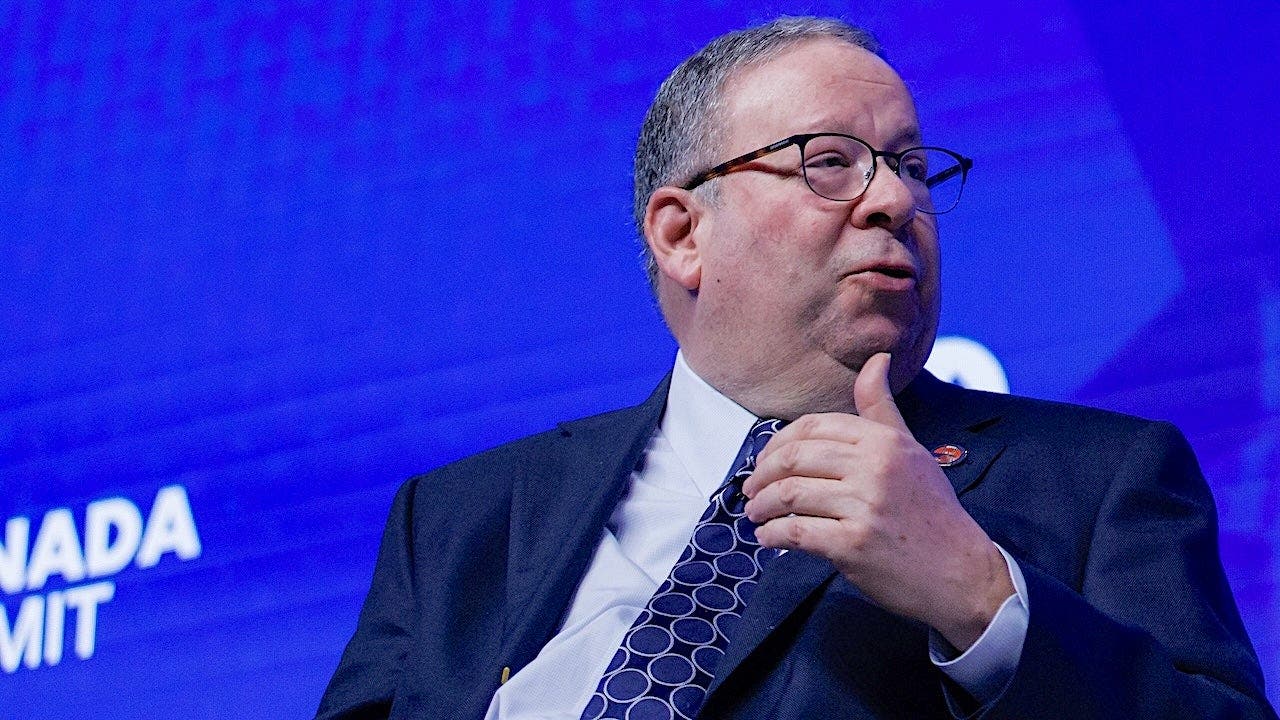
It flies in the face of what CEO Patti Poppe has been saying, pleading with reporters last year to report that “bills will be flat.”
The watchdog’s revelations have infuriated consumers across the north of the state, who already suffer under California’s sky-high coverage costs.
Bay Area resident Sally Hammons, 76, revealed she is paying just under $9,000 per year to the company for her gas and electricity.
“I added up all my charges over the past 12 months, and it was $8,725 for PG&E. That averages $727 a month, which is just crazy. It’s a car payment,” she told The California Post.
Hammons said her monthly bills ranged from $433 to as high as $1,119 despite rarely running her heating or air conditioning.
The soaring costs have also hit the small warehouse business she owns. “We don’t heat it. We don’t use air conditioning,” Hammons said. “The last three bills were $563, $577 and $629.”
She said the warehouse still racks up utility bills of $700 to $800 a month, even though it uses no heating or air conditioning. “It’s really basically just running the lights, running the computers,” she said.
Hammons said she has repeatedly questioned PG&E about the charges but was told they accurately reflected her usage.
“It does not make sense,” she said. “I’m not sure how they justify all these increases.” She also criticized the utility’s pricing structure.
“They charge you for generation of electricity, and then they charge an electric delivery charge,” Hammons said. “The delivery charge can be up to three times as much as the charge for electricity.”
The Public Advocates Office estimated the typical household’s bill could jump by $444 in 2027 alone. By 2030, annual increases could total roughly $840 compared with current levels.
If the forecast is correct, the increases would be even higher than what many Californians experienced in 2024, when the average PG&E household paid about $443 more for energy than the previous year.
Spokesman Mary Flannelly said: “The overall trend is upward and will continue to outpace inflation.”
PG&E disputes the estimates.
The utility giant says average residential customers with both gas and electric service will see their bills go up by about $128 next year. Under PG&E’s own projections, bills would rise another $119 annually in 2028, $126 in 2029 and another $133 in 2030.
PG&E spokesman Mike Gazda said the Public Advocates Office used “simple math” and did not consider factors such as expiring wildfire costs and PG&E’s efforts to control spending.
“Critics love to say PG&E (electricity) rates will go up, but we keep proving them wrong,” Gazda added.
Meanwhile Fresno resident Rebecca Rangel said she became so frustrated with PG&E she spent about $21,000 installing solar panels and later bought a backup battery instead.
“People can’t afford it. I paid $21,000. It’s overwhelming. PG&E are hustlers. They’ve got everyone by the short hairs,” she said.
Before switching to solar, Rangel said she routinely paid more than $400 a month to power her 1,000-square-foot home. “I was fuming all the time. There’s nothing you can do about it because they call all the shots. That’s what happens when there’s nonexistent competition,” she said.
She said the soaring costs hit many residents — especially hard during the brutal summer months.
“In the summer, you can’t be outside because of how hot it is, and some people can’t afford PG&E, so they’re left with swamp coolers or visiting a cooling center at peak heat. There are those living in poverty,” she added.
The California Public Utilities Commission is expected to make key decisions on new rates beginning in 2027. PG&E has been approached for further comment.
Download The California Post App, follow us on social, and subscribe to our newsletters
California Post News: Facebook, Instagram, TikTok, X, YouTube, WhatsApp, LinkedIn
California Post Sports Facebook, Instagram, TikTok, YouTube, X
California Post Opinion
California Post Newsletters: Sign up here!
California Post App: Download here!
Home delivery: Sign up here!
Page Six Hollywood: Sign up here!


