


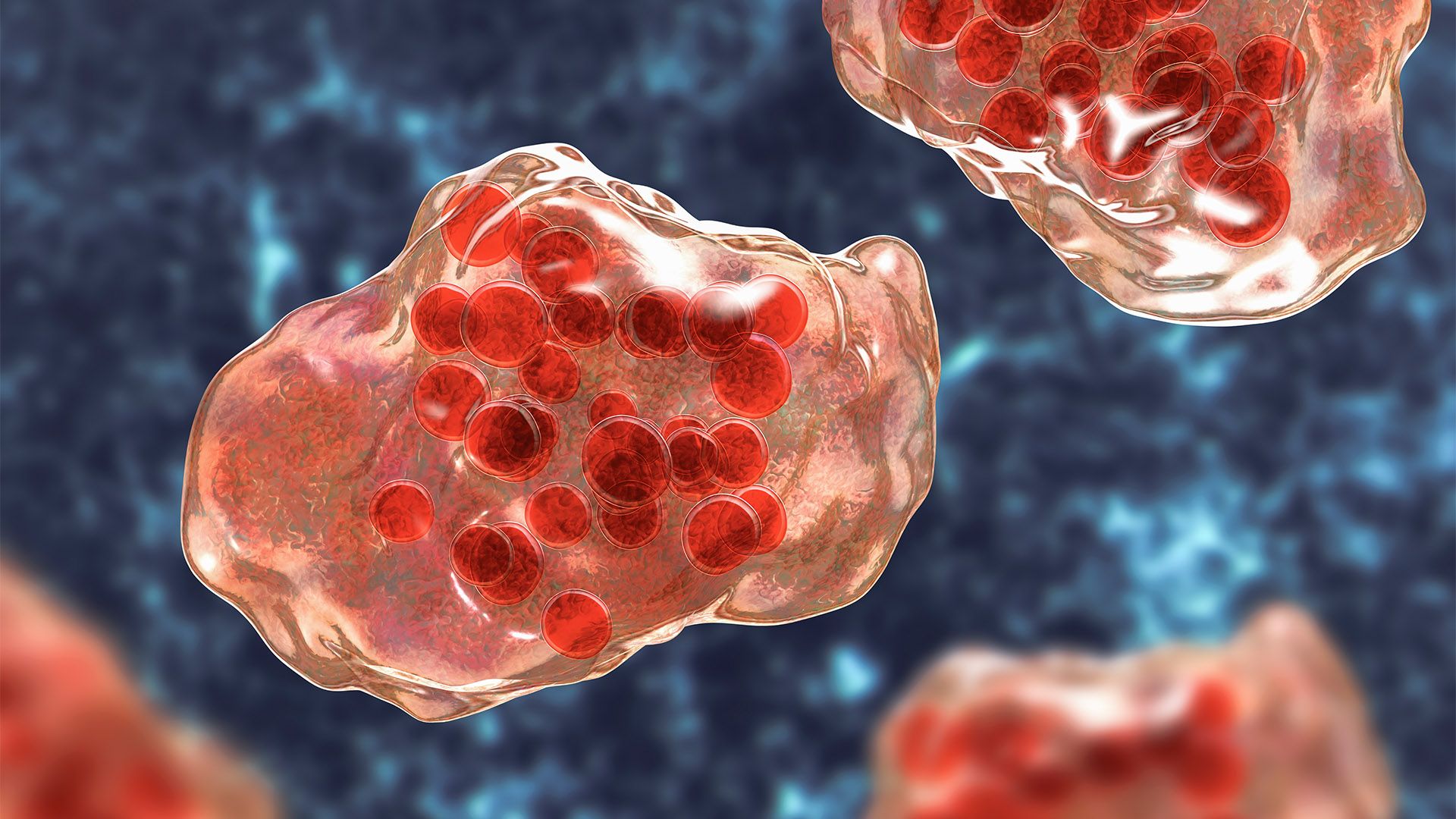
Two people in Lancaster County, Pennsylvania, have died of measles, marking the first measles-related deaths in the United States this year.
Neither individual was vaccinated against the disease, the Pennsylvania Department of Health (DOH) reported Tuesday (Aug. 25). Their deaths mark the first measles fatalities in the state in 35 years.
“To protect the privacy of the individuals and their families, DOH will not release any additional details that could personally identify these individuals and their families,” DOH officials said in the statement.
Since the start of the year, there have been 393 confirmed cases of measles in Pennsylvania across 28 counties. Nationwide, 2,813 cases have been reported so far this year, according to the Johns Hopkins U.S. Measles Tracker. The 2026 nationwide total already exceeds the total number of measles cases reported in 2025, when 2,289 cases were reported, including over 240 hospitalizations and three deaths, according to Centers for Disease Control and Prevention data.
These totals represent both measles caught within the U.S. and imported cases from people who caught the infection elsewhere. Imported cases make up a relatively small proportion of the overall total, with most cases coming from local transmission, according to the tracker.
The two deaths in Pennsylvania come as the nation’s vaccination rate for measles continues to fall among kindergarteners and as the proportion of kindergarteners with vaccine exemptions is rising. The U.S. is likely to lose its “measles elimination status” later this year, which would mean the same outbreak strain had been consistently circulating in the country for over 12 months. Essentially, this suggests that although the U.S. officially eliminated measles in 2000, the disease is likely back in regular circulation.
The U.S.’s vaccination rate for measles has steadily declined recently.
(Image credit: FatCamera/Getty Images)
According to the tracker, nearly all of the measles cases reported this year — 96% — have been among unvaccinated people or people with unknown vaccination status. Two doses of either the MMRV vaccine (which protects against measles, mumps, rubella and chickenpox) or the MMR vaccine are about 97% protective against measles infections. (Both vaccines offer the same protection against measles, but the latter excludes protection against varicella, or chickenpox. Kids who receive the MMR shot get a separate chickenpox vaccine.)
Get the world’s most fascinating discoveries delivered straight to your inbox.
Measles infections can cause rash; fever; cough; runny nose; and red, watery eyes. About 1 in 5 unvaccinated people who catch measles are hospitalized, and there’s a risk of developing complications like pneumonia or brain inflammation. In the U.S., 1 to 3 in 1,000 people with measles die of the disease. Those who survive the infection can develop long-term health problems, such as neurological disease or “immune amnesia,” where the immune system loses ability to fight off pathogens it’s encountered in the past.
“Because measles was largely eliminated in the Commonwealth for more than three decades, people are not familiar with this disease and don’t fully understand the potential severity of the illness,” Dr. Debra Bogen, Pennsylvania’s secretary of health, said in the statement. “We want to ensure every Pennsylvanian has the information they need to protect themselves, their loved ones and their communities.”
The best way to protect against measles is to get fully vaccinated, DOH representatives said in the statement.
This article is for informational purposes only and is not meant to offer medical advice.