



Follow us
Add us as a preferred source on Google
Subscribe to our newsletter
A study of hundreds of brains has revealed molecular differences in people with post-traumatic stress disorder (PTSD) that are not found in individuals without the condition.
These molecular marks also differ from those seen in the brains of people with other conditions, like depression, the research found.
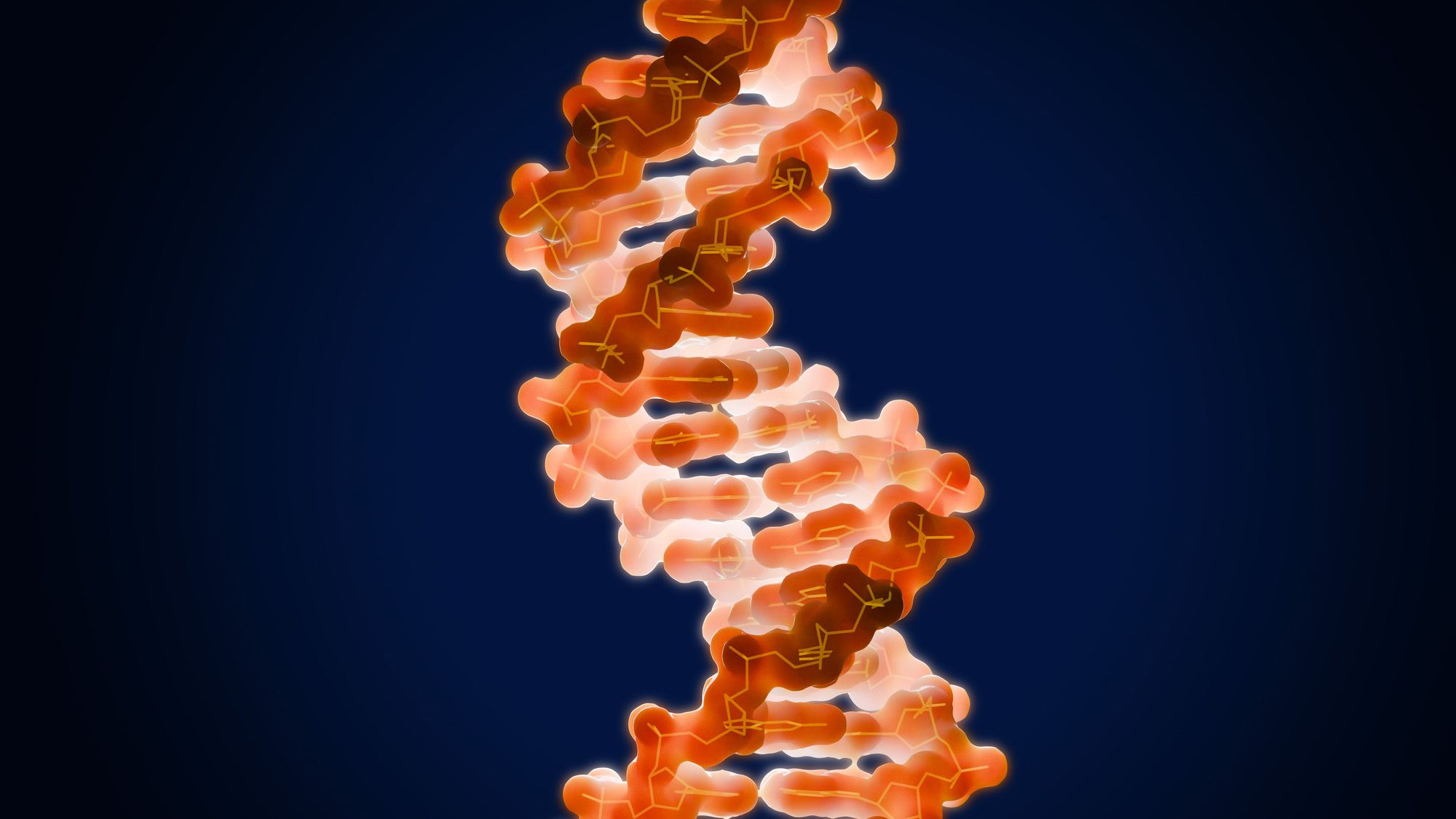
Our environment and experiences influence how our genes work, affecting which genes can be turned on. Rather than changing genes’ underlying code, the environment can trigger what are known as epigenetic changes, which include certain chemicals that attach to DNA molecules and change their structure.
Latest Videos FromLive Science
One such epigenetic change, called methylation, can work like a “dimmer switch” for genes, or even completely block certain genes from turning on.
“These epigenetic features of the brain are important for shaping the way the brain functions,” study co-author Frances Champagne, a psychologist at the University of Texas at Austin, told Live Science. “This can give us some insight into why individuals with PTSD develop PTSD, or how [their brains] are different from a healthy brain.”
In the new study, published Friday (Nov. 20) in the journal Cell Reports, scientists took a close look at DNA methylation in 302 brains that had been donated after death. These included 101 brains from individuals diagnosed with PTSD, 101 from people with major depressive disorder and 100 from people without any diagnosed psychiatric disorders. The researchers also had access to these individuals’ medical records.
The team zoomed in on three brain regions: the prefrontal cortex, the amygdala and the hippocampus. The prefrontal cortex handles cognitive functions like planning and decision-making, the amygdala is a major hub for emotional processing, and the hippocampus is key for memory and learning.
Get the world’s most fascinating discoveries delivered straight to your inbox.
“The goal of our study was to look at the epigenetics of the PTSD brain and ask how [it] is different from that of an individual who does not have PTSD,” Champagne said, “or who comparatively has another diagnosis, like major depressive disorder.”
Compared to the brains of people without any disorders, the brains of people with PTSD had different patterns of methylation in the prefrontal cortex, in particular. By contrast, in major depressive disorder, the amygdala stood out as a brain region with distinct methylation.
Additionally, in depression, the observed differences in methylation tended to affect the same set of genes across different regions of the brain. This was not the case in PTSD, which showed more inconsistencies in terms of which specific genes were involved. The methylation patterns in PTSD also appeared to vary depending on other factors, such as patients’ sex, ethnicity and age at which they experienced trauma.
The study’s results serve as a valuable resource, said Seyma Katrinli, an investigator in the Grady Trauma Project, a large PTSD study, at the Emory University School of Medicine.
Although the findings can’t be used to help diagnose PTSD yet, down the line, this area of research could help scientists correlate changes that are measurable in people’s blood to changes in the brain, said Katrinli, who was not involved in the new work. Then, blood tests could help guide the diagnosis and treatment of PTSD, she suggested.
That said, the study had limitations. Because the scientists analyzed postmortem brains, they relied on the medical reports rather than assessing the study subjects directly. Additionally, both PTSD and major depressive disorder are associated with substance use, which also causes DNA methylation; this potential confounding factor was not accounted for in the study. .
Finally, at this point, there is no way to tell what triggered the observed differences in DNA methylation. The scientists can’t say if the variations are a consequence of PTSD, a risk factor for PTSD, or a downstream effect of other things that co-occur with PTSD.
The research sets the stage to “help us ask better questions,” Champagne said. Her team is now looking to investigate factors — such as sex, the timing of traumatic experiences, or history of substance use — that may be driving the variation within PTSD.
“It’s a very exciting foray into epigenetic profiling in the brain,” she said.
This article is for informational purposes only and is not meant to offer medical advice.
Wylie, D., Arasappan, D., Ross, D., Hyde, T. M., Ressler, K. J., Kleinman, J. E., Weinberger, D. R., Daskalakis, N. P., Nemeroff, C. B., & Champagne, F. A. (2026). DNA methylation profiling of human brain in posttraumatic stress and major depressive disorders indicate specific molecular features. Cell Reports, 118270. https://doi.org/10.1016/j.celrep.2026.118270
See how much you know about the most complex organ in the human body with our brain quiz.