



Generative artificial intelligence (AI) is erasing the line between reality and illusion to the point where seeing is no longer believing. We need a social and legal framework that will separate real-world images from those generated by AI, as well as technical innovations, such as universal “AI watermarks,” that will help viewers immediately distinguish real images from fake ones. Without such a framework in place, we risk losing the trust that real-world photography brings. And that would be a disaster for democracy.
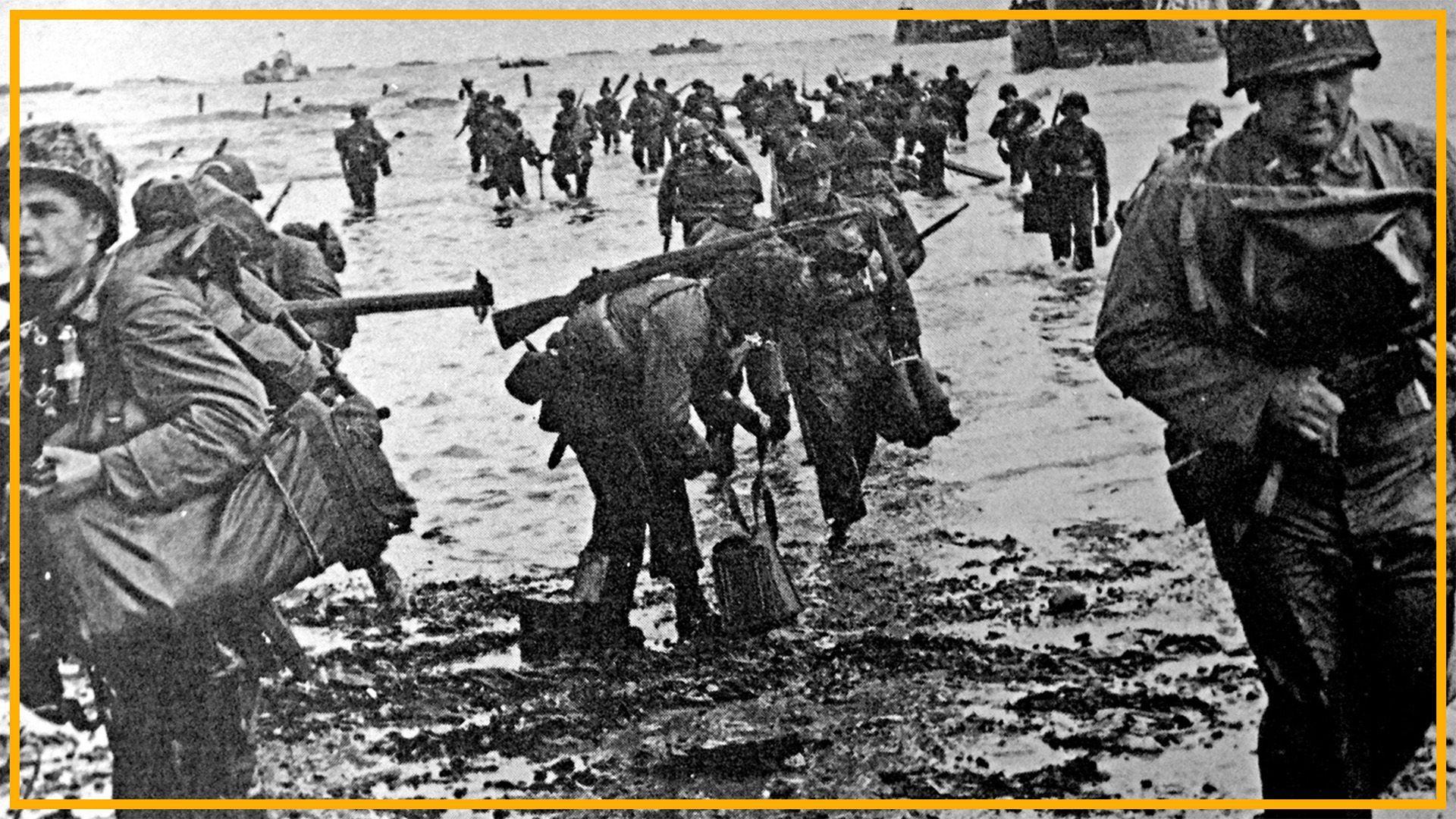
On June 6, 1944, Allied forces stormed the beaches of Normandy. The photographs that emerged — grainy, blurred, chaotic — did more than document history; they shaped it. For millions who would never see the battlefield, those images became the war — visceral proof of sacrifice, courage and collective purpose. They transcended language, collapsing distance between the observer and the event.
The same can be said of other defining moments. The lone figure standing before tanks in Tiananmen Square. The falling man from the World Trade Center. The lifeless body of 3-year-old Alan Kurdi on a Turkish shore. These images are not merely records; they are cultural touchstones. They form a shared visual substrate upon which public understanding — and, often, political will — is built. They allow societies to coordinate emotion, judgment and action at scale.
But what happens when that substrate erodes?
Advances in generative AI make it possible to create images that are not only realistic but emotionally compelling and contextually plausible. Unlike earlier forms of manipulation, which required skill and often left detectable traces, today’s synthetic images can be produced rapidly, cheaply and at scale. They can depict events that never occurred and people who never existed, in scenes that nevertheless feel uncannily authentic. And AI image generators are getting better.
This shift introduces a profound epistemological problem. Historically, photographs have occupied a privileged position in our hierarchy of evidence. “Seeing is believing” is not just a cliché; it reflects a deep-seated cognitive shortcut that also transcends written and spoken language. While we have always known that images can be staged or edited, the default assumption is that photographs bear some causal connection to reality. Generative AI severs that link.
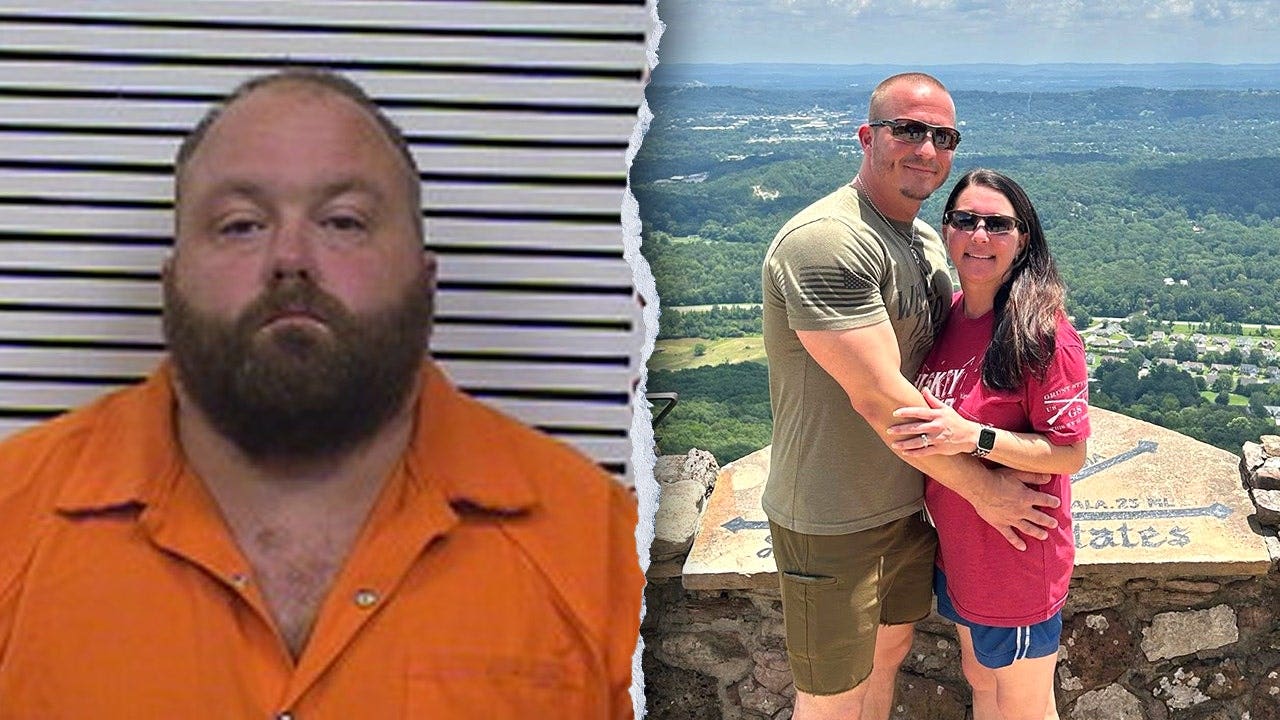
The risks are not abstract. In the context of war, synthetic images are being deployed as propaganda — fabricated atrocities attributed to an enemy, or staged victories designed to boost morale. For example, an image of an American radar system allegedly damaged by an Iranian drone strike that was widely circulated turned out to be fake., In domestic politics, they are being used to inflame racial tensions, fabricate protests, or depict public figures in situations that never occurred. For example, a fake image of a mug shot of Donald Trump has been widely disseminated.
Get the world’s most fascinating discoveries delivered straight to your inbox.
The iconic image of “Tank Man” standing against the might of the Communist Chinese regime captured the spirit of the 1989 Tiananmen Square protest. Images like these help form our shared understanding of history.
(Image credit: By Published by The Associated Press, originally photographed by Jeff Widener, Fair use,)
The speed and scale of digital dissemination via social media means these images shape perceptions before the images can be verified or discounted. For example, a picture of 250 poodle mixes in captivity posted by an animal charity was dismissed as being fake. Yet, it was real.
This example also highlights a more insidious consequence that may emerge in a second-order effect: Once the public becomes aware that images can be convincingly faked, genuine images lose their evidentiary force. This is the “liar’s dividend” — the ability of bad actors to dismiss authentic visual evidence as fabricated. In such a world, even the most compelling photograph can be met with skepticism, its truth value perpetually contested.
Democratic societies depend on a shared baseline of facts and experiences. While disagreement over interpretation is inevitable — and often healthy — there must be some common ground regarding what has actually occurred. Images have long played a crucial role in establishing that. When their credibility collapses, so does the capacity for collective judgment.
This is not a problem that can be solved through technology alone. While detection tools and forensic methods will continue to improve, they operate in an adversarial dynamic with generative systems. Each advance in detection is met with a corresponding advance in evasion. Moreover, technical solutions often struggle to scale across platforms and jurisdictions, and they require a level of public understanding that cannot be assumed.
While we have always known that images can be staged or edited, the default assumption is that photographs bear some causal connection to reality. Generative AI severs that link.
What is needed is a societal and legal response that reestablishes trust in visual media. There is a historical precedent. In the 20th century, the rise of photography prompted legal innovations around authorship and ownership. Copyright law did not prevent manipulation or misuse, but it created a framework for attributing images to identifiable creators, thus enabling accountability and recourse where necessary. Broadly speaking, this framework makes it possible to sue for defamation, libel, etc.
A similar approach could be adapted for the age of generative AI. One element would involve mandatory disclosure: AI-generated images would be required to be clearly labeled as such, both at the point of creation and in downstream distribution. This could be enforced through platform policies and, where necessary, regulatory mandates. This would mean even an inattentive viewer would immediately know whether an image were AI generated.
More importantly, there is a need for traceability. Advances in cryptographic watermarking and content provenance systems offer a pathway. By embedding metadata that records the origin and transformation history of an image, it becomes possible to verify whether a visual artifact is authentic, synthetic or altered. Crucially, such systems would need to be standardized, interoperable and resistant to tampering.
Legal frameworks would need to support these technical measures. They could include liability regimes for the malicious use of synthetic media, as well as obligations for platforms to preserve and transmit provenance information. Just as importantly, there must be institutional actors, including journalists, courts and civil society organizations that are equipped to interpret and communicate this information to the public.
None of these measures will fully restore the epistemic status or “truth value” that photographs once held. The age of naive visual trust is over. But the goal is not to return to a bygone era; it is to construct new mechanisms of trust that are robust to the realities of digital manipulation.
The images of Normandy, Tiananmen Square and countless other moments continue to resonate because they are widely accepted as reflections of reality. Preserving that capacity — for images to anchor shared understanding — is not merely a technical challenge. It is a democratic imperative.