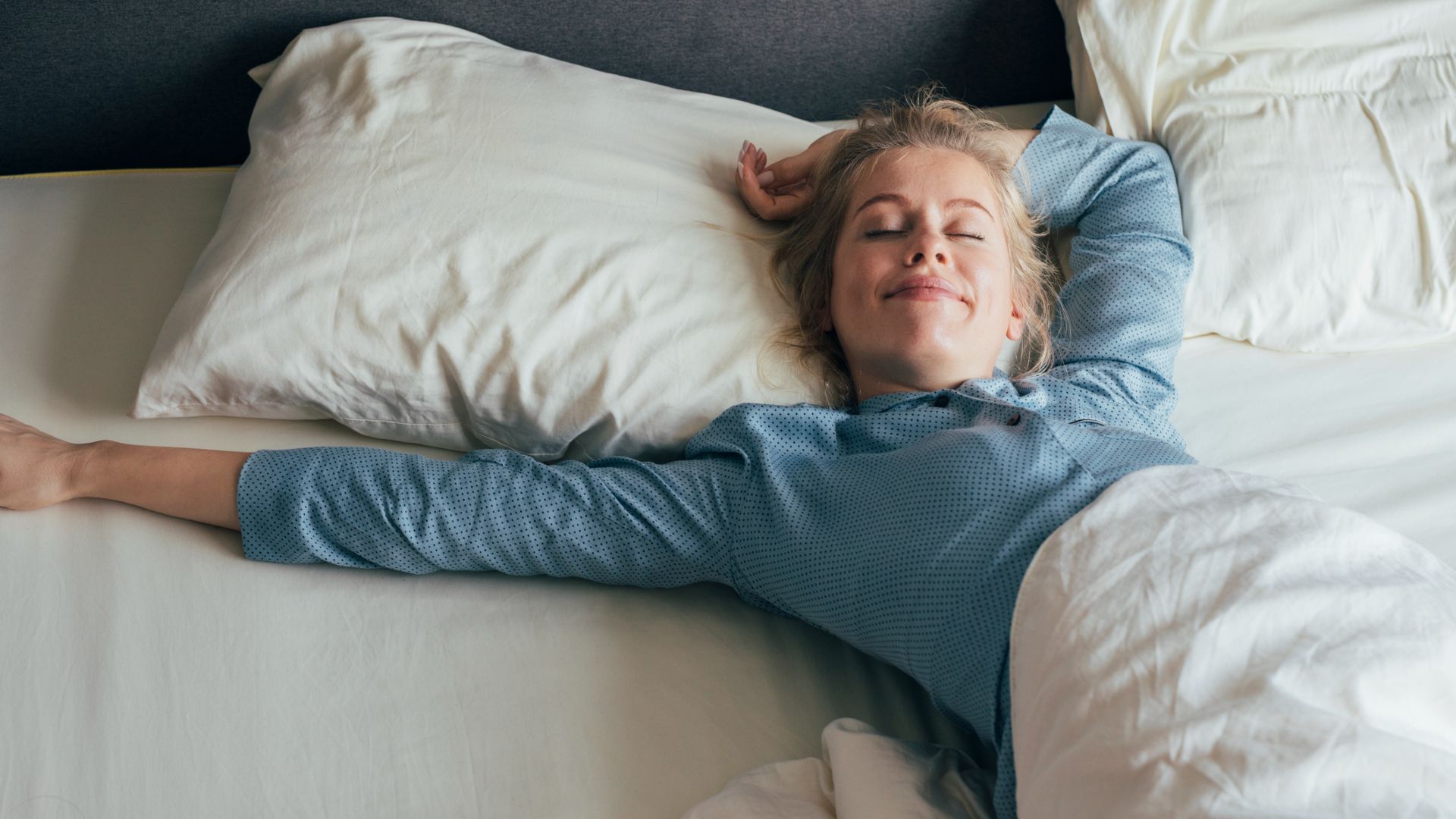
Night owls are known to habitually stay up late and ride a wave of energy that can carry them into the wee hours of the morning before they start to nod off. Morning people, on the other hand, tend to be most alert and energized upon waking up in the a.m., and they tucker out earlier than night owls do.
These two rhythms of wakefulness and sleepiness, known as “chronotypes,” are thought to be at least partially determined by people’s genetics. But research suggests that being a natural night owl may come with some downsides.
For instance, a recent study linked being a night owl to a higher risk of poor heart health and cardiovascular conditions such as stroke and heart attack. Another study found that night owls had a higher risk of early death. However, in both studies, scientists cautioned that the chronotype itself doesn’t appear to explain all of this risk. Rather, lifestyle factors may be the main culprits separating night owls’ health from that of morning larks.
A higher rate of smoking among night owls seems to be one big piece of the puzzle, along with greater alcohol consumption, poorer diet and lower physical activity, on average. So, if you’re a night owl who keeps those critical lifestyle factors in check, current data suggest that your risk of heart disease and early death may not be that different from an average morning person’s risk. But more research is needed to know for sure.
Would you call yourself a night owl or a morning person? Or do you not really fit into either category? Let us know in the poll below.
This article is for informational purposes only and is not meant to offer medical advice.
—Night owls and morning larks, make room for ‘afternoon people’ and ‘nappers’
—Abandoning daylight saving time could prevent over 300,000 stroke cases a year in the US, study claims
—We actually have trillions of ‘body clocks,’ not just one. Here’s how they all work together.