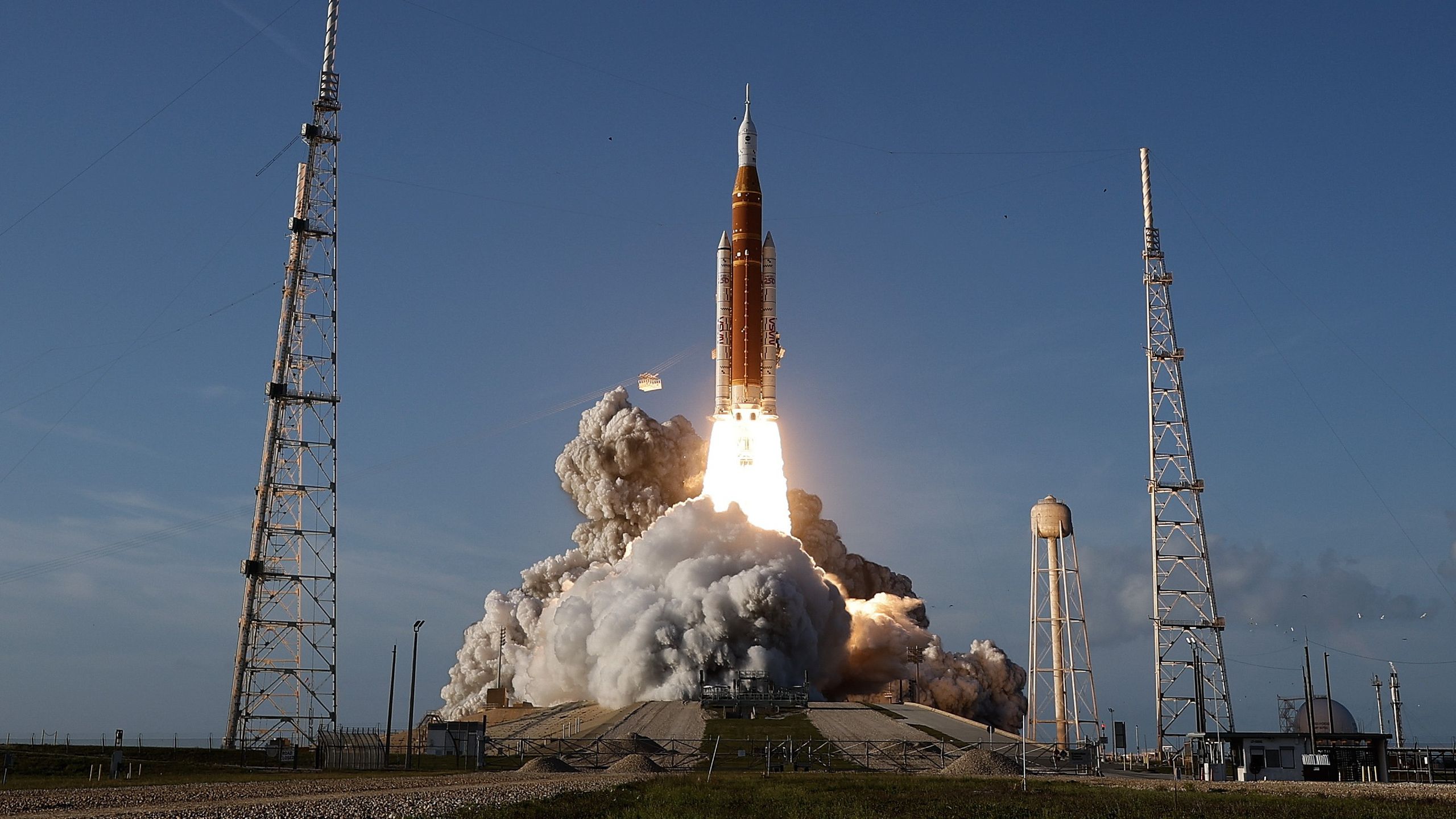





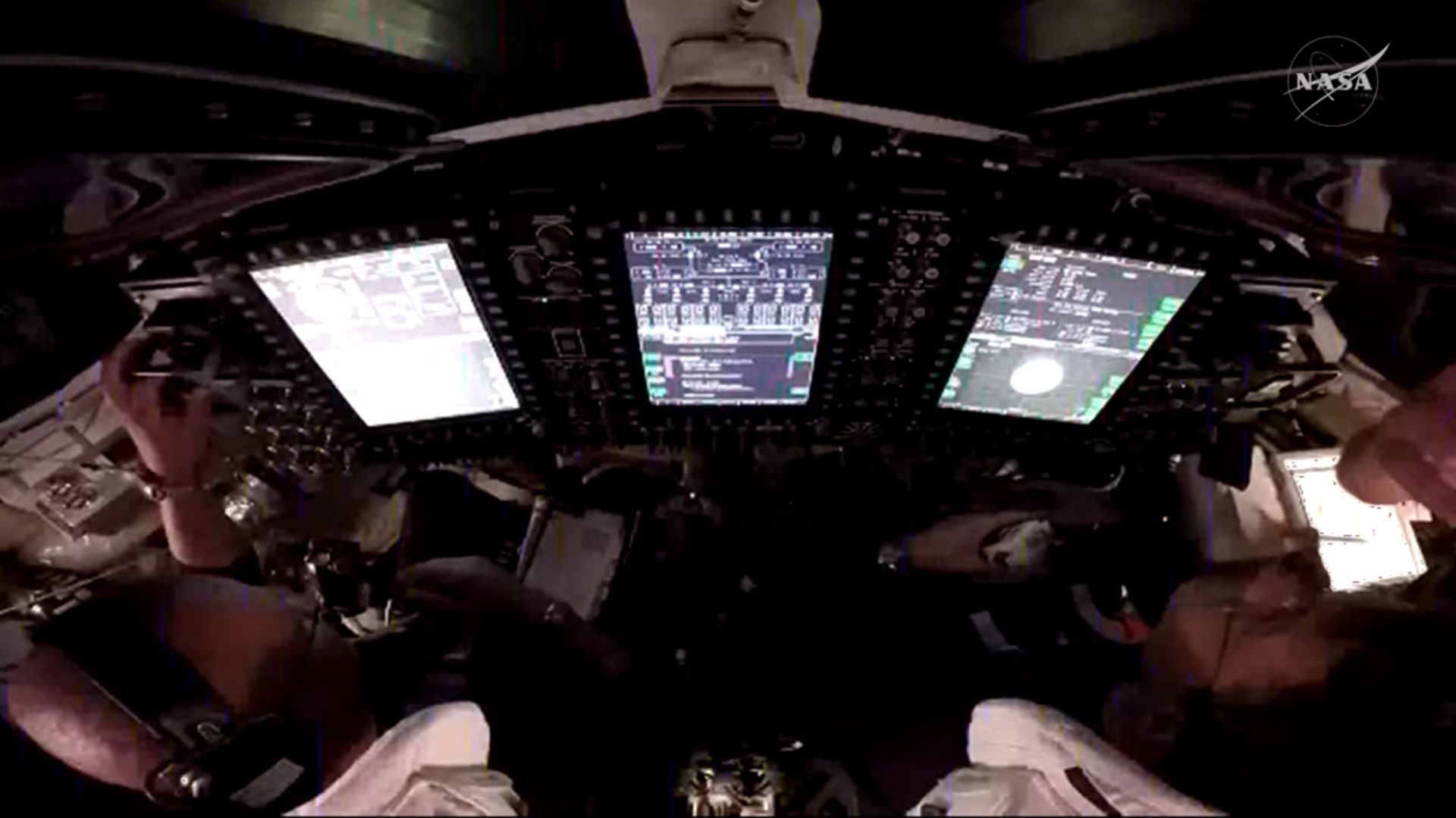
NASA’s Artemis II mission successfully lifted off from Florida’s Space Coast Wednesday (April 1) around 6:35 p.m. EDT. But today (Thursday) marked the mission’s next crucial step: the translunar injection burn, the long push that sends the spacecraft out of Earth’s orbit and into deep space, where it will rendezvous with the moon about four days from now.
“[The burn] propels Orion on a path toward the moon and sets it on the free-return trajectory that will ultimately bring [the] crew back to Earth for splashdown,” NASA officials wrote in the Artemis II press kit. “Though only two days into the mission, it essentially doubles as Orion’s deorbit burn as well.”
Thankfully, NASA’s mission management team found no issues and gave the green light for the burn. Scheduled for 7:49 p.m. EDT, the burn lasted 5 minutes and 50 seconds. According to NASA, the Orion spacecraft has “6,000 pounds of thrust, enough to accelerate a car from 0 to 60 mph in about 2.7 seconds.”
“We personally felt the power of your perseverance through every second of that burn,” Canadian Space Agency astronaut Jeremy Hansen said after the completion of the burn.
With the burn now complete, Artemis II stopped circling Earth and began the mission it was built for: a 10-day test flight around the moon and back, meant to prove NASA can safely send astronauts into deep space again. The results of the mission will directly influence the planning of future missions in the Artemis campaign, which aims to return humans to the lunar surface no earlier than 2028.
“With this burn to the moon, we do not leave Earth. We choose it,” Artemis astronaut Christina Koch said before the burn commenced.
The Artemis II crew is expected to reach the moon Monday, April 6, on the sixth day of the mission, and return to Earth Saturday, April 11, after a 10-day mission.
Test your knowledge of the moon below with our moon quiz!