



US-China trade: Nvidia chips, auto market, IP theft underscore complex relationship
U.S.-China trade discussions intensify as President Trump’s administration navigates complex issues, including U.S. Commerce Department’s decision to allow Nvidia H200 chip sales to 10 Chinese firms. Experts also warn against allowing Chinese electric vehicles into the American market, citing intellectual property theft concerns. Geopolitical and economic stability for both nations remain central to the ongoing talks.
NEWYou can now listen to Fox News articles!
As details emerge from President Donald Trump’s meeting with Chinese President Xi Jinping, a key reality is coming into focus: China still wants U.S. business and Trump may have the upper hand.
Trump’s high-profile business delegation highlights the economic balancing act the two nations are seeking to strike. Xi wants investment and continued access to American corporate power, while Trump is positioning himself to use trade pressure and market access as leverage with Beijing.
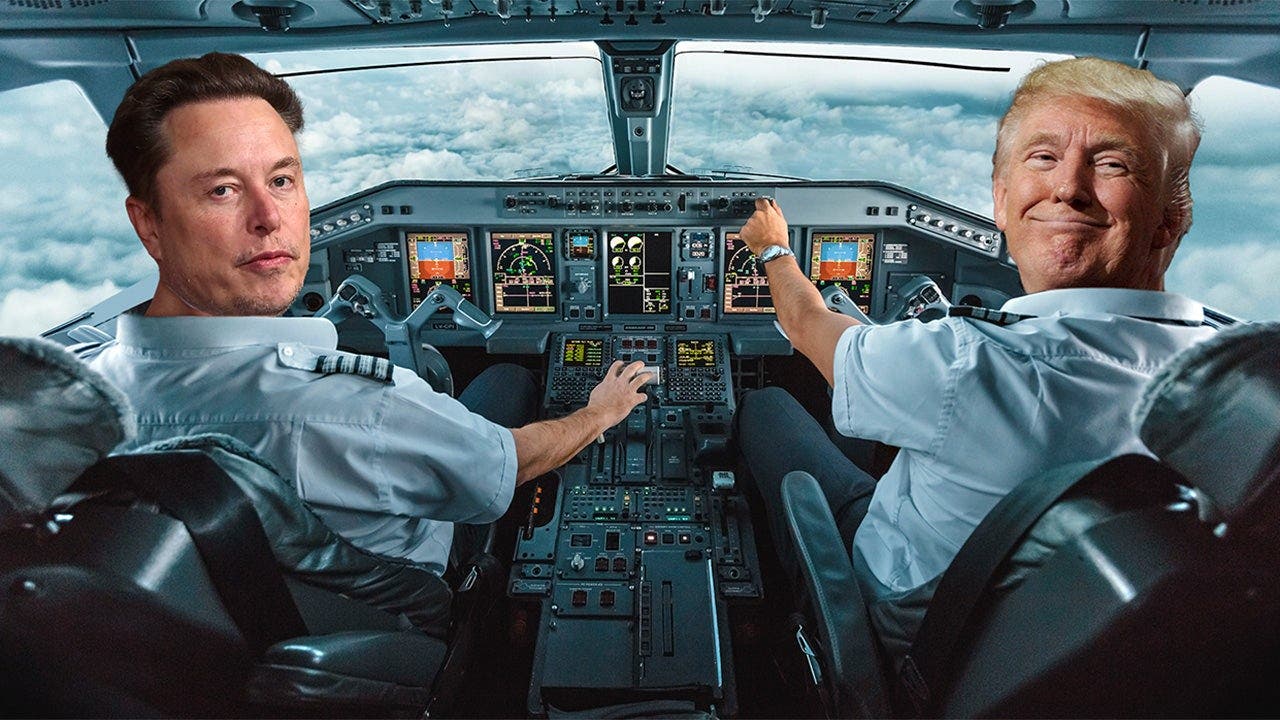
The heavyweight lineup alongside Trump for the trip includes tech executives like Apple’s Tim Cook, Tesla and SpaceX’s Elon Musk, Nvidia’s Jensen Huang, Micron’s Sanjay Mehrotra and Meta’s Dina Powell McCormick.
The overlap between politics and business was clear even before the meetings began. Huang was reportedly added to Trump’s trip at the last minute. He even secured a seat on Air Force One — a sign of Nvidia’s central role in the global chip race and broader U.S.-China tech tensions.
TRUMP GETS RED-CARPET WELCOME IN CHINA, BUT PAST BEIJING TRIP SHOWS PAGEANTRY ONLY GOES SO FAR
Elon Musk, the world’s richest person, arrived in Beijing aboard Air Force One as part of President Donald Trump’s delegation for talks with Chinese President Xi Jinping. (Johannes Neudecker/picture alliance/Getty Images)
Also on the trip were Blackstone’s Stephen Schwarzman, BlackRock’s Larry Fink, Citigroup’s Jane Fraser and Goldman Sachs’ David Solomon.
Many joining the president rank among the world’s wealthiest business leaders. Musk, for example, is the richest person in the world, according to the Bloomberg Billionaires Index, while Schwarzman and Huang have amassed fortunes in the tens of billions.
Together, the group represents trillions in corporate power with deep business ties to China despite years of trade tensions between the world’s two largest economies. Their companies still rely heavily on Chinese consumers, manufacturing and supply chains, even as Washington and Beijing clash over tariffs, technology and national security.
That influence is already showing up in the talks.
Both sides discussed expanding access for U.S. companies into Chinese markets, a top priority for executives on the trip. Xi said his opportunities in his country “will only open wider and wider,” according to Chinese state media.
‘INTENSE STANDOFF’ ERUPTS BETWEEN SECRET SERVICE, CHINESE OFFICIALS DURING TRUMP-XI EVENT: REPORT
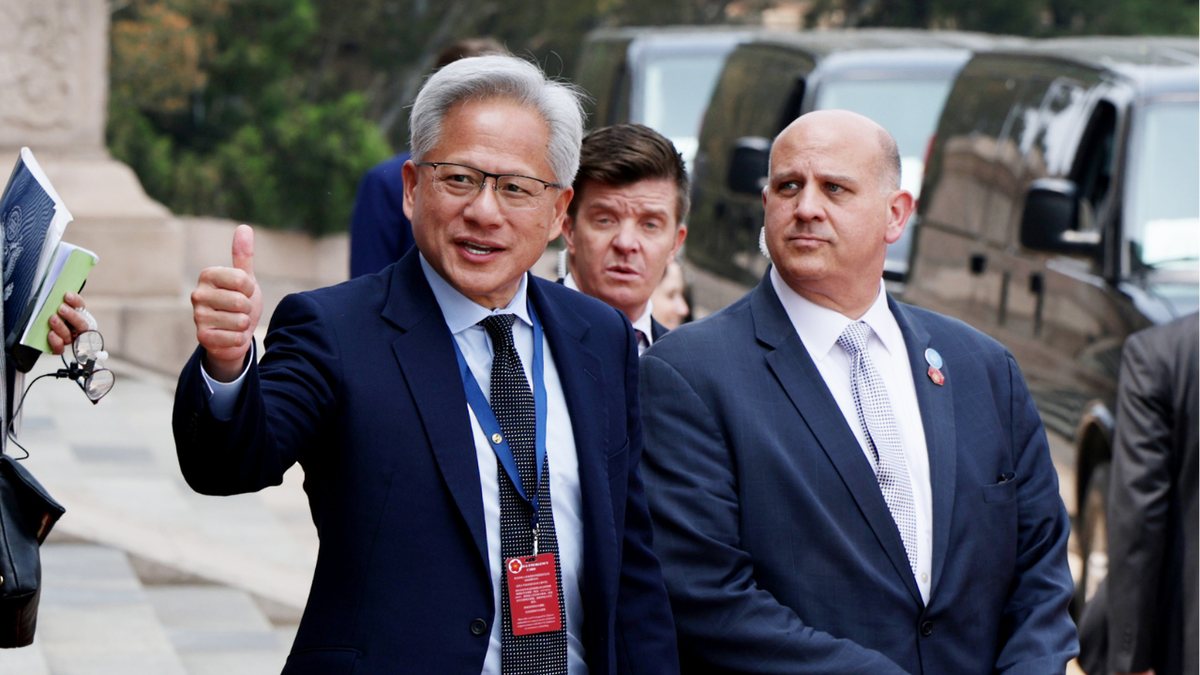
Nvidia CEO Jensen Huang arrived with President Donald Trump’s delegation to Beijing, China. (Alex Wong/Getty Images)
At the same time, Washington is weighing steps that directly affect those firms. The U.S. could allow Nvidia to sell its H200 chips, a step below its most advanced semiconductors, to a limited number of Chinese companies, according to Reuters, even as broader disputes over artificial intelligence and export controls remain unresolved.
They also discussed increased Chinese investment in the U.S. and purchases of American goods, including beef, soybeans and Boeing aircraft, long-standing trade pressure points.
But the cooperative tone was also laced with threats.
Xi warned against a potential clash between the U.S. and China and delivered a blunt message on Taiwan, a key flashpoint and hub for advanced semiconductor production.
That mix of outreach and tension is where Trump sees an opening.
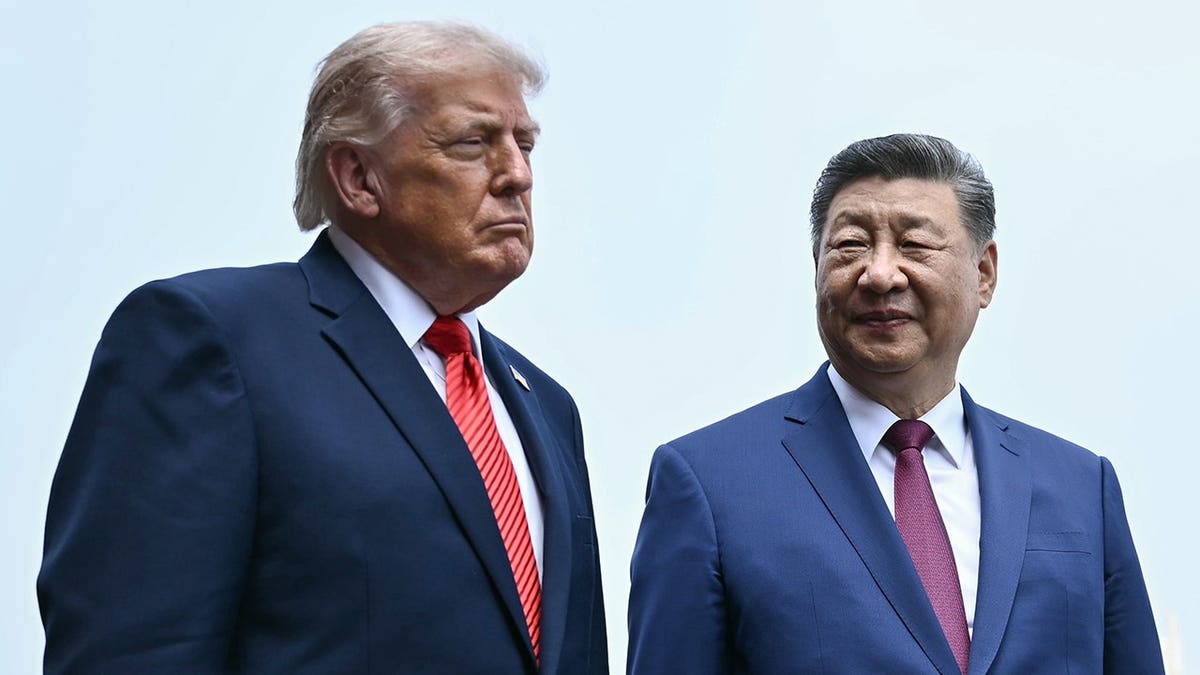
President Donald Trump and Chinese President Xi Jinping represent the world’s two most powerful economies. (Brendan Smialowski – Pool/Getty Images)
If U.S. companies are still seeking access and Beijing is signaling it wants them there, Trump can argue economic pressure is working — strengthening his case for tariffs, export controls and tougher trade terms.
Executives are pushing for greater access and stability in China while navigating a U.S. strategy built on economic pressure and national security concerns — underscoring both the importance of the market and the leverage Washington believes it holds.
CLICK HERE TO DOWNLOAD THE FOX NEWS APP
Trump has already invited Xi to visit the White House in September, signaling more talks ahead. For now, Beijing’s message is clear: China still wants American business.