





At 1 p.m. on a warm spring Thursday, a crowd spills onto the sidewalk at Melrose and Western in Los Angeles — long one of the city’s more commercially undesirable intersections, but today an epicenter of cool.
Influencers and the casually affluent, purse dogs in tow, gather for strawberry cheesecake matcha lattes at Chainsaw, the Venezuelan pop-up-turned-bakery and cafe from Karla Subero Pittol that has quickly become one of the most popular — and viral — all-day hangs in Los Angeles.
Steps from there, the design-forward Café Telegrama is packed with chattering groups — facing across to one of the neighborhood’s collection of cutting-edge art galleries.
A little later, just around the corner, bestie dates will unfold over late-afternoon glasses of natural wine at Bar Étoile, where veteran wine geek Jill Bernheimer pours — and a deeply savory cheese tart quietly steals the show.
Like a California-fied West Chelsea — in the shadow of the Hollywood sign and just blocks east of Paramount’s studio lot — Melrose Hill, once one of the most unloved and overlooked areas on the trendy east side, has quickly become one of LA’s hippest micro-neighborhoods.
Located in the nether parts of what was for decades one of the West Coast’s most notorious red light districts — splayed out in lurid 1970s movies like Paul Schrader’s “Hardcore” — it was later essentially forgotten, despite its collection of handsome, historic commercial and residential architecture.
More walkable than much of the city famous for not walking, the revival of the former commercial dead zone between East Hollywood, Larchmont Village, Koreatown, and Hollywood, has finally put the corner on the map.
It’s a neighborhood model other L.A. developers should be watching in a city where so many gathering places can feel like constructed standalone islands, thriving at the expense of the streetscape.
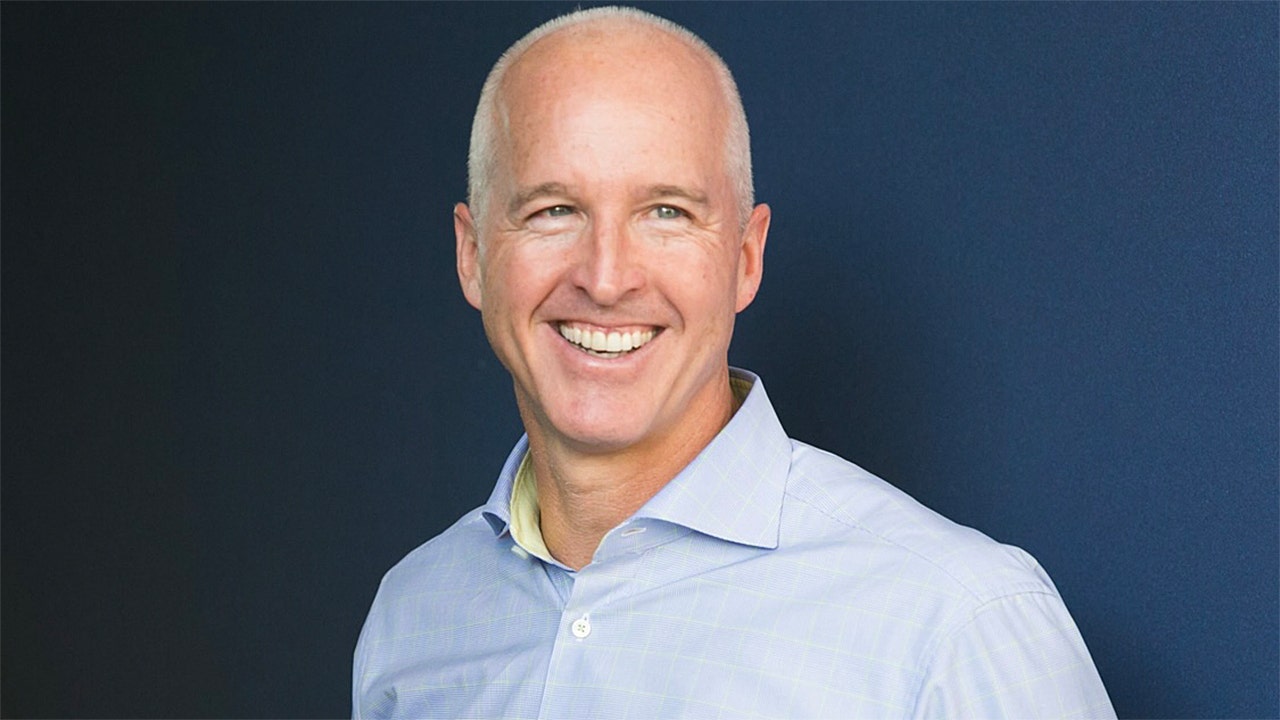
At the center of this new/old way of imagining SoCal city life are developers Zach Lasry (son of billionaire hedge fund-manager and owner of the Milwaukee Bucks, Marc Lasry) and Josh Tohl, who, through a series of quiet acquisitions and partnerships, assembled the neighborhood — and put Melrose Hill on the map.
Over the course of 2018 and 2019, the pair acquired roughly 15 properties in the neglected area. Instead of demolishing and rebuilding, the developers preserved a rare concentration of 1920s-era commercial buildings to keep the character.
“All the buildings were individually owned,” Lasry told The Post. “A lot of personal conversations and discussions took place — it was very old school.”
Lasry’s interest in the area began before any formal plan took shape. “I was living in Silver Lake at the time,” the actor-turned-place creator recalled. “I’d moved from New York after film school, and I would drive down Melrose all the time. It reminded me of the Bowery before the museums and newer stuff came. There were all these old buildings lined up on one street — that’s so rare in LA. It just seemed like it had the potential for walkability.”
What followed was not a conventional leasing strategy, but something closer to curation.
“It was really just thousands of connections and phone calls and lunches and dinners until there’s a match,” Lasry said, citing a food writer friend who also helped provided insight into up-and-coming chefs.
The pair’s vision for Melrose Hill draws in part from the book The Death and Life of Great American Cities by Jane Jacobs.
“She talked about the magic of walking down a street with so much action and energy and creativity — it infuses you,” Lasry related.
Central to that vision is restraint — and fighting the urge to sell out.
“A lot of up-and-coming neighborhoods will be really fun and experimental for a few years,” Lasry said. “And then once they reach a certain level, that’s when the chains come in, that’s when the whole thing starts to degrade. We don’t ever want that to happen.”
But before Melrose Hill became a destination, it required people who were truly willing to take a risk.
“When we met Zach and Josh, we were working out of a cloud kitchen in Koreatown and running out of money,” said Noah Holton-Raphael of Ggiata, a popular sandwich deli now boasting six locations across Los Angeles. “We were 23 years old and burning through our savings.”
Holton-Raphael and crew opened their first shop in Melrose Hill in 2021. “We poured everything we had into making our Melrose shop a hub for the neighborhood,” Holton-Raphael told The Post.
Five years later, “We still see many of the same faces every day,” he said.
Today, Ggiata is surrounded by all of the restaurants and galleries that followed suit.
From award-winning Kuya Lord, one of LA’s best Filipino restaurants, to Little Fish, which draws in crowds for their perfectly parceled abalone cabbage rolls and vibes.
And across the way, chefs at Corridor 109 — one of Los Angeles’ most exciting new tasting menus from Michelin-starred Sushi Noz alum, chef Brian Baik — is now open for service, just steps from a newly opened Goop Kitchen by wellness magnate Gwyneth Paltrow.
The area’s reputation for art began on the early side, too, when the Los Angeles outpost of David Zwirner, one of the most globally significant contemporary art galleries, known for representing artists such as Gerhard Richter, Yayoi Kusama, and Kerry James Marshall, set down roots on Western Avenue.
And others followed suit — like Emma Fernberger of Fernberger gallery. “Coming from New York, I loved the concept of being able to walk around a neighborhood in Los Angeles ” Fernberger told The Post.
For many of the business owners here, Melrose Hill worked because other neighborhoods didn’t.
“We looked for a long time on Larchmont Boulevard,” Bar Etoile’s Jill Bernheimer told The Post. “The cost per square foot was extremely high, even in the pandemic. The spaces were generally inhospitable to getting enough seats and at the time there were some zoning restrictions that made it difficult to get even a beer and wine license.”
More hot restaurants are flocking to Melrose Hill too. Coming soon is a new tasting menu Thai concept from Wedchayan “Deau” Arpapornnopparat of Holy Basil, alongside additional projects including one from Los Angeles restaurant darling Tyler Wells of Betsy, and a soon-to-come movie theater. The developers wouldn’t allow details on the record, but called the signing of a lease “very exciting.”
Now, for Lasry and Tohl, the challenge now is preservation.
“If we can focus on it always being a place where really exciting things always seem to be happening,” Lasry said, “then it kind of feeds itself.”


