







Go hard or go home? Nowadays, the motto’s go hard and recover hard.
Fitness fans are increasingly focused on how they treat their bodies after working out, spurring a massive surge in popularity for things like sauna, cold plunges, red light therapy, hyperbaric chambers, compression therapy and massage.
This has meant big business for gyms, spas and wellness centers that offer high-tech recovery tools, from “bathing clubs” to “human upgrade centers” to $100,000-per-year wellness memberships.
But some health-conscious people with cash to burn are making these tools even more accessible, building their own at-home “recovery rooms” for thousands of dollars.
Contrast therapy, the practice of alternating between sauna and cold plunge, has proven especially popular.
Saunas have been shown to have a long list of benefits, including better immunity, improved sleep, boosted heart health and weight management. Meanwhile, going between hot and cold can help with physical recovery and reduces inflammation — plus, for many, it just feels good.
For avid tennis player and daily gym-goer Elyse Roberts, having both amenities right next to her home gym was a no-brainer.
“I have the room, so it’s just easier,” the 68-year-old, who suffers knee and shoulder pain from tennis, told The Post. “I would rather just go from the gym into the cold plunge, then into a sauna, or do the sauna at night before sleeping . . . and it works in my schedule a lot better.”
Just as she hits the court for multiple hours every day, Roberts has now also made alternating hot and cold part of her daily habits.
The advantages of contrast therapy have been noted for centuries, with gym rats, longevity experts and health influencers touting reduced stress, soothed muscles and improved sleep — benefits Roberts has been reaping from her own home.
To get the best of the best, she sought out the design advice of LIT — which stands for longevity, innovation and technology — a business providing full wellness ecosystems, from fitness equipment to recovery tools.
“It’s an investment for my life, my mental health, my physical health and longevity itself. And it’s the best thing I have purchased and has changed my life.”
Carlos Pantoja
Founded by husband and wife duo Justin and Taylor Norris, the brand furnishes home gyms and bathrooms with sleek equipment with names like “BeautyBox” and “Stealth Luxe” that would look right at home in high-end, luxury gyms.
“We really like to lean on the contrast therapy space,” Justin told The Post. “So anything that has to do with infrared red light therapy, traditional saunas and then cold plunges as well.”
The couple noticed the trend taking off a few years ago as more people focused on recovery, with biomarkers like Whoop and Oura rings becoming more popular than ever and the longevity movement showing no signs of slowing down.
“It’s shifting towards [building] a long-term sustainable routine that not only helps [the] wellness side of things, but different elements such as sleep and recovery,” Justin said.
“Most people are now saying, ‘OK, a home gym is great, but I want to create this recovery oasis, this sanctuary that’s more for mental, physical and overall well-being,’ ” he added.
The price of recovery
Homeowners like Roberts are sparing no expense to install spa-quality fixtures right into their spaces, building an aesthetic oasis for the ultimate recovery tool.
One of LIT’s best-selling saunas — named the Titan — starts at a whopping $9,500, with a sleek design that combines full-spectrum infrared therapy and an electric heater for a customizable indoor and outdoor experience.
LIT has been outfitting homes from New York to Los Angeles, installing pre-made models or designing and building custom saunas from the ground up.
The total cost can range depending on where someone is in their own wellness journey and what their goals are, Justin explained.
“Somebody that’s new to contrast therapy, they’re not sure if they want to make the full investment, and so they will typically spend between $8,000 and $10,000,” Justin said.
But someone who’s familiar with the therapy and up to date on all the wellness trends? Justin says they’ll spend upwards of $30,000 on their recovery rooms — more than the yearly cost of one of the latest ultra-luxury gyms to grace the city.
Alex Goodson, a Los Angeles contractor who works with LIT to build recovery rooms, echoed these sentiments, estimating that homeowners are dropping just under $20,000 total.
But he says the amenities LIT offers still cost a fraction of the price tag for built-from-scratch home saunas, which makes them a more attractive option for customers. He’s also seen the uptick in demand over the last few years.
“It used to be people would request a home gym or other wellness amenities,” said Goodson, a sauna and cold plunge owner himself. “Now it’s mostly been saunas and cold plunges that have been the major additional request.”
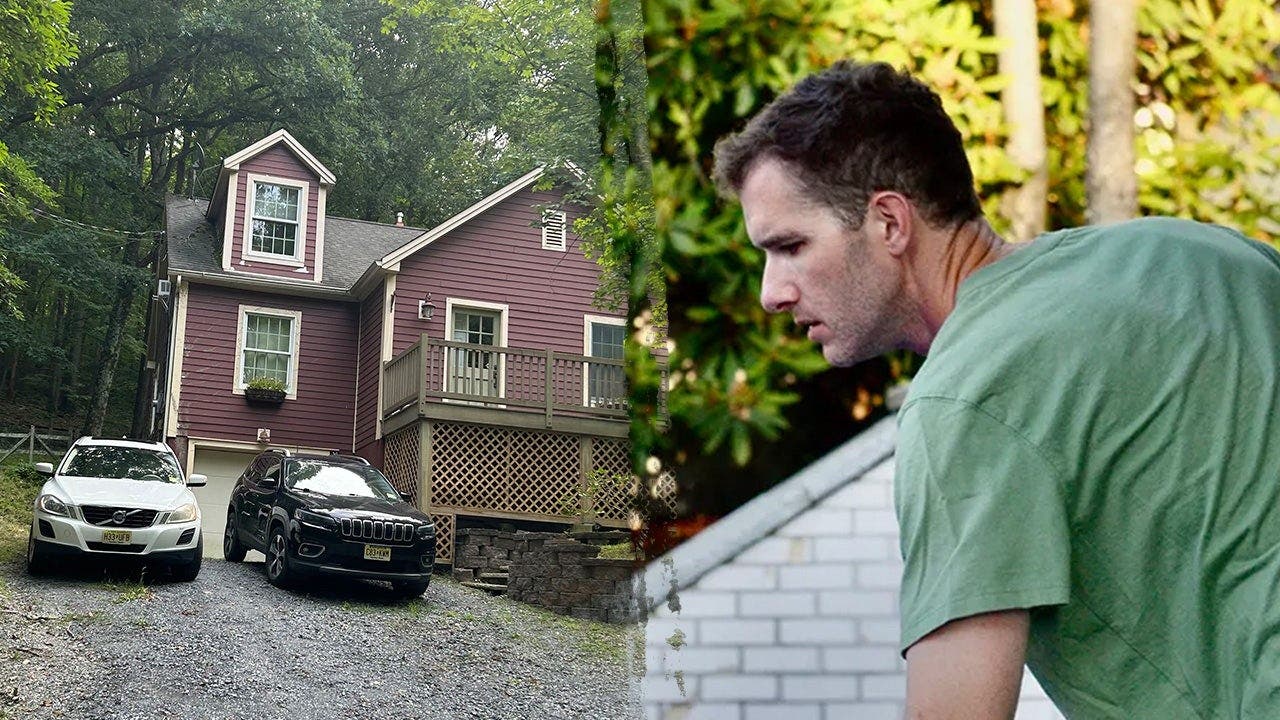
But the benefits far outweigh the price tag, according to Carlos Pantoja, who spent about $20,000 on a sauna and cold plunge bundle to help recover from major surgery after a car accident.
“I’ve had it for about six months, and it has worked tremendously,” Pantoja said. “My doctors are completely impressed, especially after having spinal surgery done. It has been a game-changer for me.”
He still goes to a gym, but he’s found gym amenities lacking, especially when he travels for work.
“When you travel and use other gyms, it’s not the same values and vibes,” he explained. “It’s an investment for my life, my mental health, my physical health and longevity itself. And it’s the best thing I have purchased and has changed my life.”
LIT attracts a variety of clientele, but the founders note one common theme: Most people are “really focused on the recovery.”
“They are training for a marathon, or they’re going to the gym regularly, and then they’re looking for something that’s going to enhance the recovery in that aspect,” Taylor said.
And making it as convenient for themselves as possible is key.
“I think the customers who are building this at their homes truly value time and they want convenience,” he said. “So they’re willing to invest in those products in their home for those two things specifically.”
Since adding the tools to her health routine over a year ago, Roberts only has one regret — that she didn’t have them installed sooner.
“I wish they had it 10 years ago because it would have helped with recovery,” she said. “Maybe I wouldn’t have been so injured, taking care of myself and my body earlier, like in my 40s or 50s. But better late than never, right?”


