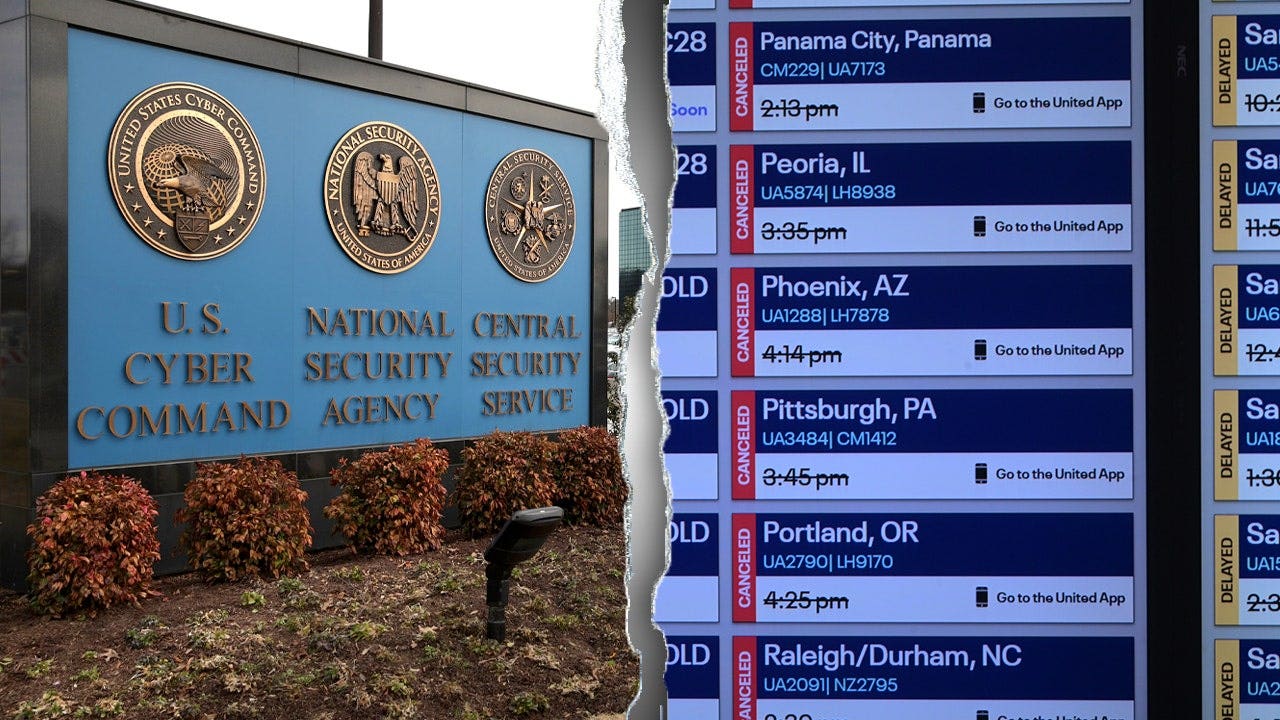




The National Security Agency’s highly classified internal communications network has been restored after nearly four days of disruptions that left scores of employees unable to log in, sources and officials said.
Workers at the agency’s headquarters in Fort Meade, Maryland, finally began to return to work again Friday — although at staggered times to prevent a surge of simultaneous logins from overwhelming the system, a source familiar with the matter told CNN.
The expectation was that most employees at the NSA — which is responsible for collecting foreign signals intelligence and protecting US government communications — would be back to work by midday.
“Nov. 20, 2026, NSA Washington is operating under normal conditions with exceptions,” said an employee voicemail obtained by CNN that instructed personnel to follow their designated building opening times.
The outage affected NSANet, the agency’s classified internal network used by employees to communicate and share sensitive information. It essentially functions as the agency’s classified email system.
The disruption began earlier this week and proved far more prolonged than officials initially anticipated, with patches needed to restore the system taking longer than expected, a senior administration official acknowledged Thursday.
On several previous occasions, employees were told to report to work at staggered times, only to be sent home without ever successfully logging in, according to another source familiar with the agency’s response.
The outage was not believed to be the result of a cyber attack, multiple US officials said.
The officials added that the agency’s most sensitive intelligence-gathering operations continued functioning throughout the disruption. The NSA has multiple backup systems and workarounds to keep critical intelligence flowing, they said.
The technical problems appear to have stemmed from the agency’s efforts to install security patches addressing critical vulnerabilities in PHP, a widely used programming language that powers roughly 70% of the world’s websites.
The vulnerabilities, dubbed “PHP2Shell,” were disclosed last month, with artificial intelligence tools helping researchers identify the flaws.
Director of National Intelligence Jay Clayton previously linked the NSA disruption to the agency’s patching efforts, saying some systems failed to restart as expected after software updates.
“The patching that has gone on following that has caused some of these systems to not come back up when you patch them as expected,” Clayton said.
The FBI, NSA, and Cybersecurity and Infrastructure Security Agency issued urgent warnings Oct. 21 instructing organizations to install patches addressing the vulnerabilities, which could allow hackers to take control of affected web servers.
The NSA itself warned that the flaws could expose sensitive information and urged organizations to immediately update vulnerable systems.
The agency acknowledged Tuesday that it had experienced “temporary degradation during scheduled routine maintenance” but insisted, “Mission-critical capabilities remain fully operational.”
The disruption comes amid a broader wave of technology outages affecting major US institutions, including Microsoft, airlines and financial services.
Artificial intelligence is increasingly helping researchers uncover software vulnerabilities that have gone undetected for years, triggering an urgent scramble among companies and government agencies to aid aging systems.
While officials have said there is no evidence tying the recent disruptions to a coordinated cyber attack or hostile foreign actor, the incidents have raised questions about the risks of rapidly updating critical digital infrastructure.
The NSA has experienced network disruptions before. But the length of this week’s outage was unusually disruptive, current and former officials said.