




The bipartisan Senate legislation to reform college sports easily passed the upper chamber this week on a remarkably bipartisan vote, but that doesn’t mean the bill is going to end up on President Trump’s desk anytime soon, On The Money has learned.
It’s a shame, because everyone – from college administrators to various lawmakers to the president himself – agrees on one thing: The insane money grab that has perverted college sports now for nearly a decade – squeezing university budgets for academics and sports outside of football and basketball – needs fixing.
Plus DC appears to have found some meaningful consensus on legislation known as the Protect College Sports Act, sponsored by GOP firebrand Ted Cruz of Texas and Maria Cantwell, a Democrat from Washington state.
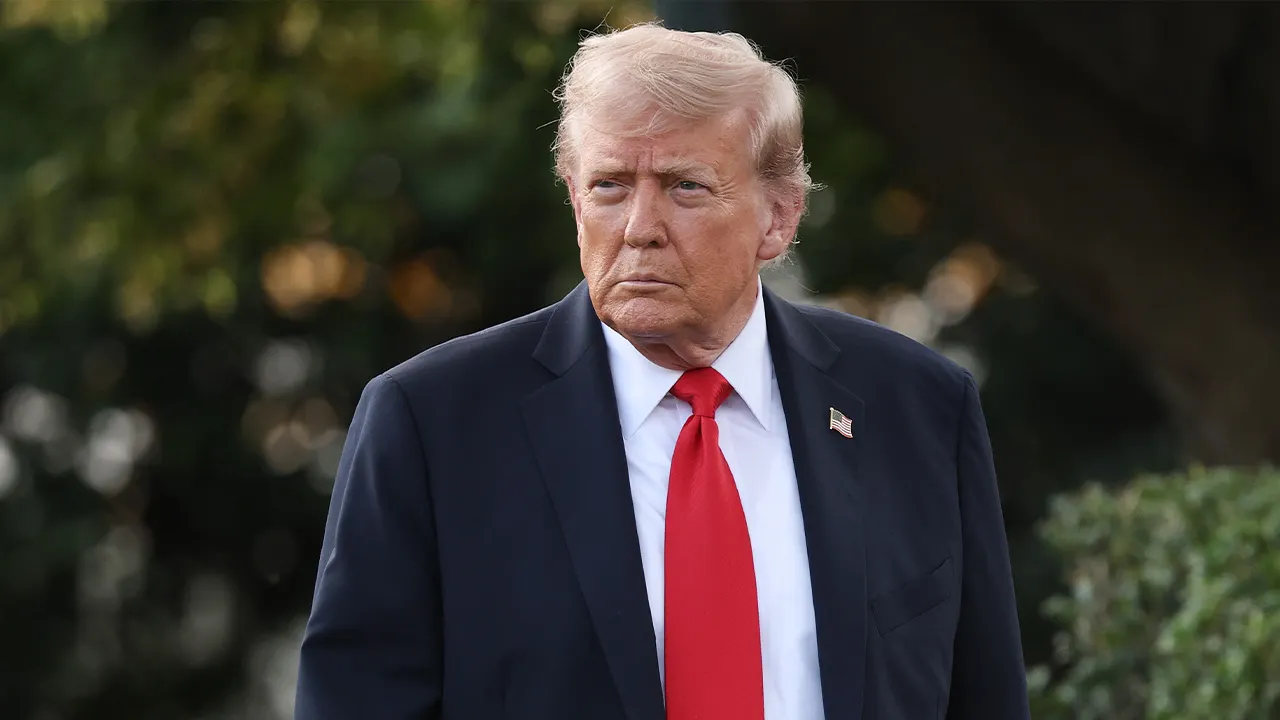
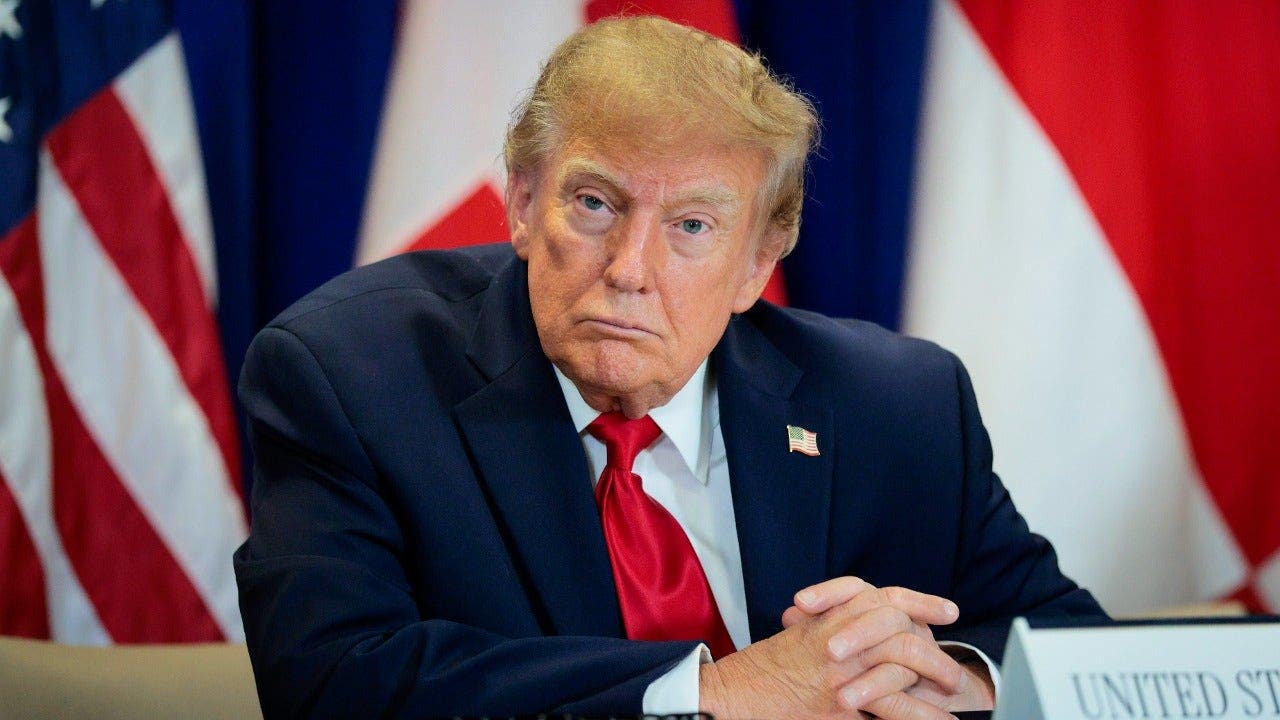
It would put a cap on multimillion-dollar paydays that a few college athletes enjoy at the expense of everyone else involved. President Trump is a big supporter of the bill, which usually guarantees Democratic Party backlash, but it didn’t happen in this case because of the obvious need for reforms. The bill passed the Senate on Monday night with a 77 to 22 vote
And yet, I am hearing from the legislation’s supporters that the real battle will occur in the House. Given the political dynamics of the lower chamber, there is a real question if the Republican majority, led by Speaker Mike Johnson, can even pass this on a party-line basis, people close to the matter tell On The Money.
All politics is local, as they say, and some local GOP pols particularly in Florida represent schools that do pretty well with the status quo. Those include the University of Miami and Florida State University, which have a donor base to pay up for top players without much impact on other programs.
Both schools, I am told, are weighing leaving the Atlantic Coast Conference for the Big 10 or the Southeastern Conference. That’s crazy, I am told, because neither conference wants them and Florida State couldn’t qualify based on its research budget. It would amount to a kamikaze mission that blows up the ACC, which the legislation prevents because it rightfully seeks to bring stability to the whole mess that is college sports
Press reps for Florida State and Miami had no immediate comment.
“We will see where this goes but the usual crap that is preventing this from happening is going down right now,” said one sports-business insider who is supporting the bill. “What Miami and Florida State is doing is crazy. They’re going to blow up the legislation and get nothing in return. It’s a joke.”
Sports agents are also grousing about the legislation because if it caps payouts to athletes, it also caps their fees. Agents have no problem conflating amateur sports with the pros because of the big money it brings them. Remember the legislation prevents students from jumping more than once to a new school through the so-called transfer portal. Agents get a fee every time a college athlete goes through the portal, even if a chunk of them never get deals.
Yet these arguments might sway some lawmakers since organizations like the NAACP, along with lawmakers like NJ Senator Cory Booker are casting their opposition to the bill in class warfare terms. They want college students to be able to collectively bargain like they are employees of the school, which is crazy for many reasons including that it would mean their scholarship money is taxable. Plus state schools are exempt from the US National Labor Relations Act meaning students can’t collectively bargain under federal law.
I guess we’re supposed to believe multimillionaire college sports stars will somehow enter serfdom if new rules cap their outrageous payouts so other college sports aren’t crowded out in the mad dash to recruit the highest paid athletes in football and basketball.
This bill provides a revenue sharing deal between students and universities; a so-called soft cap of $47.5 million per year endorsement cap for colleges (not exactly entry-level wages), which includes limits on the “Name Image and Likeness” system that allows student athletes to make money off of endorsements. NIL showers big money on a handful of star student athletes, mainly in football and basketball, while it siphons resources away from the vast majority of other sports.
The bill’s opponents will certainly be making their arguments in the days and weeks ahead. Trump wants this legislation on his desk before the midterms. Recall: he started the effort earlier in the year with a blue-ribbon committee whose recommendations inspired the Cruz-Cantwell bill.
But Speaker Johnson is already throwing cold water on a vote before November because of the heat around the subject. Now you know why voters are so disillusioned with our government: Even when these guys agree on something, they can’t get anything done.