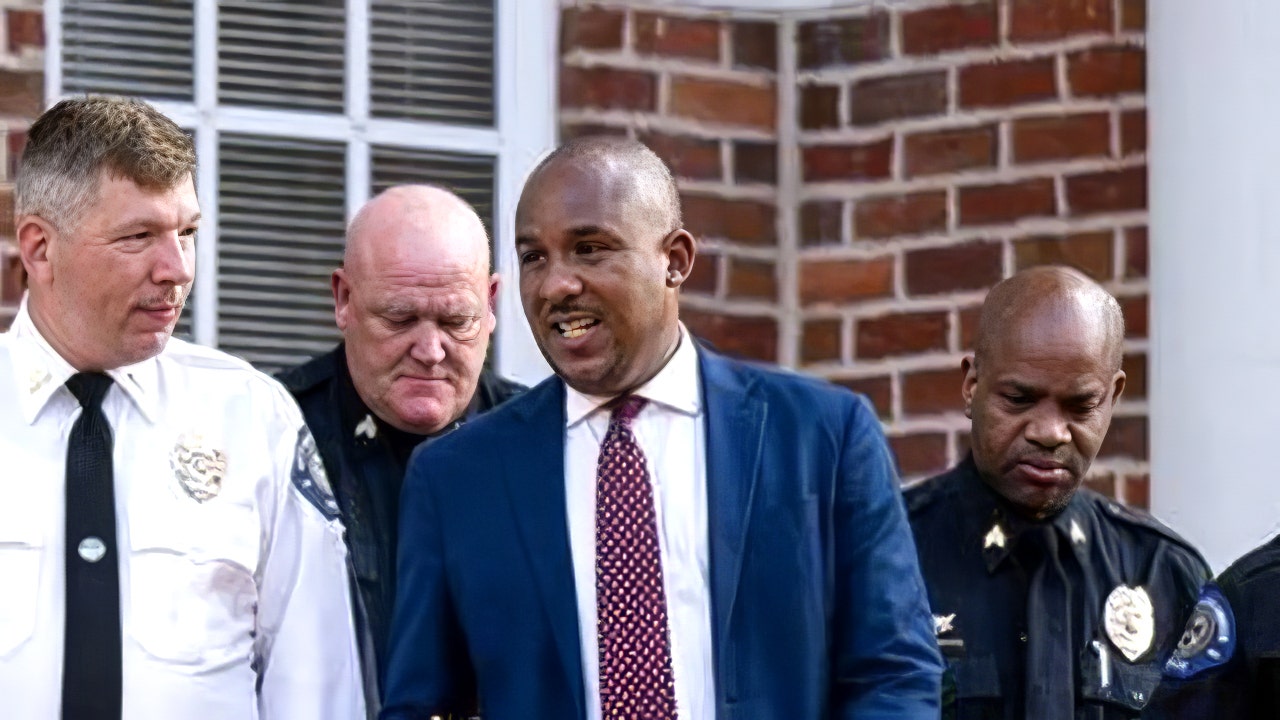
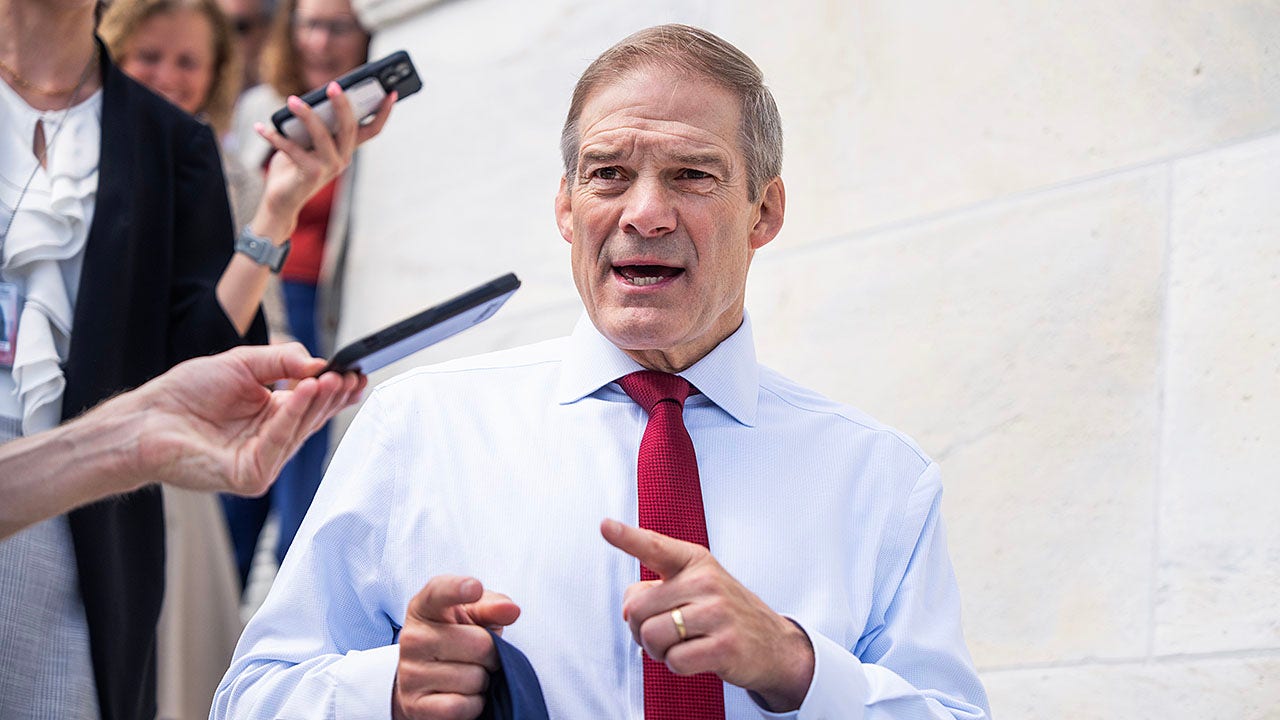



A Texas federal prosecutor accused Sen. Richard Blumenthal Wednesday of trying to intimidate donors to President Trump’s under-construction White House ballroom by promising to investigate pay-for-play allegations connected to the project.
Blumenthal (D-Conn.), who will take over as chairman of the Senate Permanent Subcommittee on Investigations when the 120th Congress convenes in January, fired off nearly 60 letters last week to known ballroom donors — including Amazon, Apple, BlackRock, Google, Lockheed Martin, Meta, Microsoft, Nvidia and Palantir — warning them to voluntarily hand over records related to their gifts by Jan. 4 or face subpoenas.
“I have previously written to dozens of companies and individuals who have given millions to the ballroom,” Blumenthal wrote Oct. 20 to Salesforce CEO Marc Benioff. “Many have apparently attempted to keep their contributions secret, and have deep financial, business, or other personal interests before the Trump Administration.”
“The aggressive fundraising push by the President’s advisers suggests possible conflicts of interest and even corruption, and raises questions that Americans deserve to have answered,” Blumenthal went on. “Particularly, what promises may have been made in exchange for substantial donations and why donors chose to remain anonymous.”
Houston US Attorney Aaron Reitz responded in a letter to Blumenthal that the senator had “threatened citizens for associating themselves with the President and other public officials.”
“It is … extraordinary for an elected official to intimidate citizens for engaging in philanthropic practices that will benefit our nation for generations,” Reitz added. “The American people are entitled to freely associate themselves without elected officials terrorizing them with aggressive, harassing government action.”
“The First Amendment expressly prohibits Congress from infringing the speech and association rights of Americans,” acting Deputy Attorney General Trent McCotter wrote on X in support of Reitz. “DOJ will defend against threats to those rights, period.”
Trump has argued that the planned 90,000-square-foot ballroom, which will replace the demolished East Wing, is necessary both to host large-scale events and provide an extra layer of security for the executive mansion. The project is due to be completed by September 2028, shortly before the president is due to leave office.